Travels in Jiangnan, October 2025
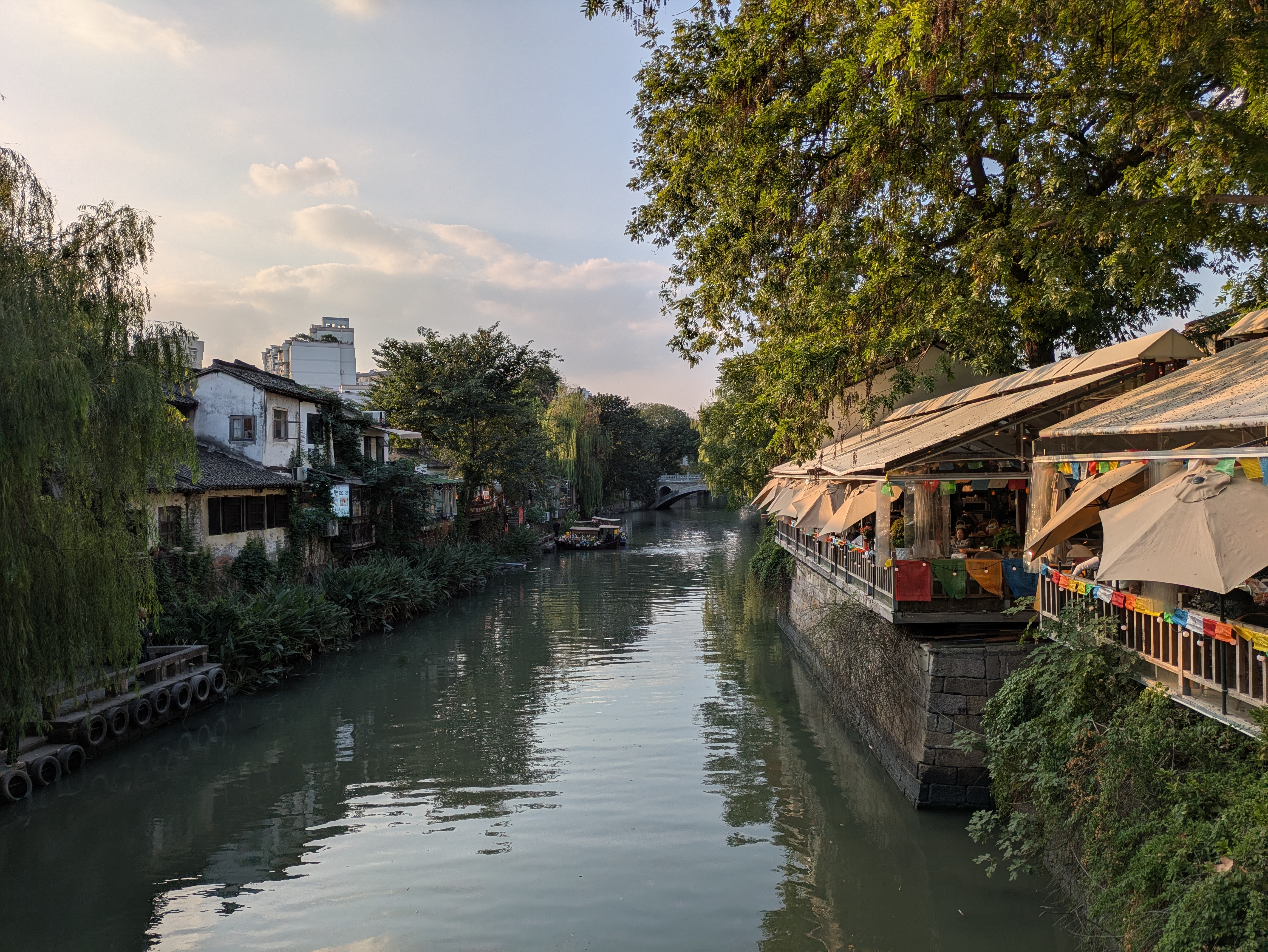
I recently travelled solo to the Jiangnan region in China. I covered lots of ground on this one, visiting six World Heritage Sites in 14 days. My agendas each day were full, with an average of 25,000 steps, but two weeks definitely did not feel like enough. At least though, I was able to get a small sampling of what must be one of the most incredible regions in the world.
Shanghai
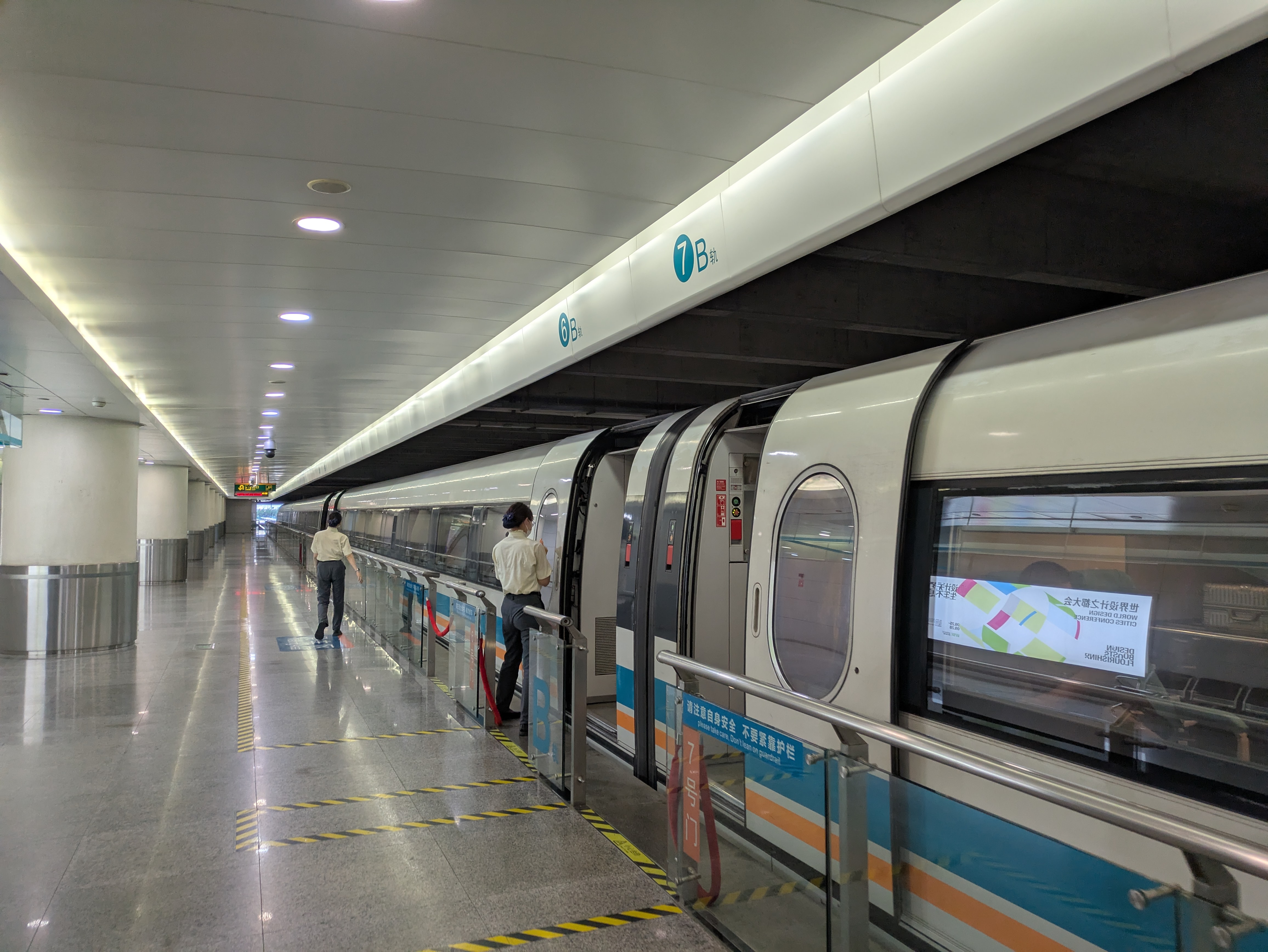
Shanghai Maglev train. Even though they nerfed the speed a few years back so that it's no longer the fastest in the world, riding was still fun.
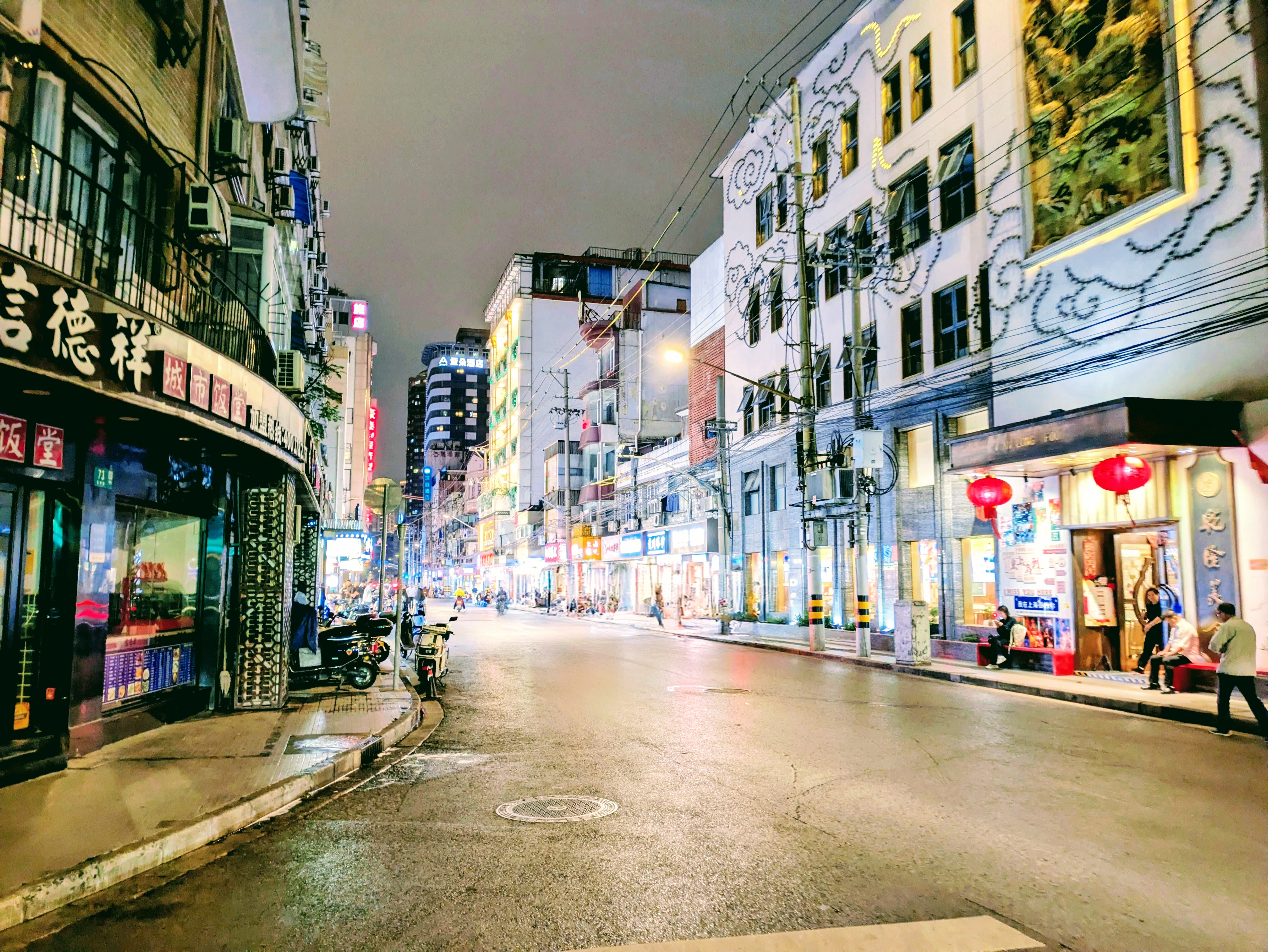
My hotel was located along Huanghe Road. Walking on the side of the road past the rush of pedestrians and bicyclists, underneath the balconies of the old-timey buildings, and enjoying the smells of the food stalls and bubble tea shops, I felt like I was living on the set of Shanghai Blossoms (although it looked a bit cooler there).
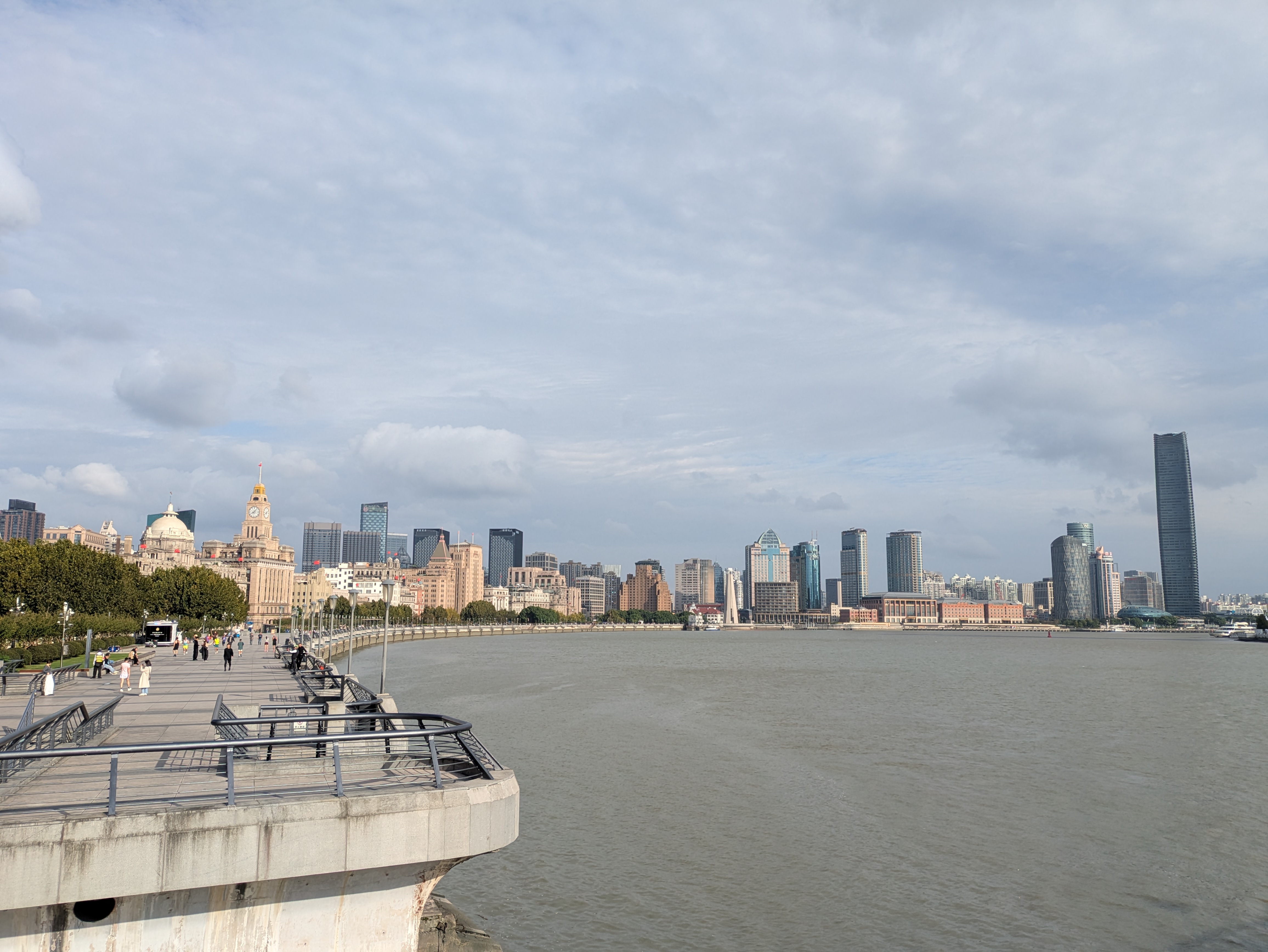
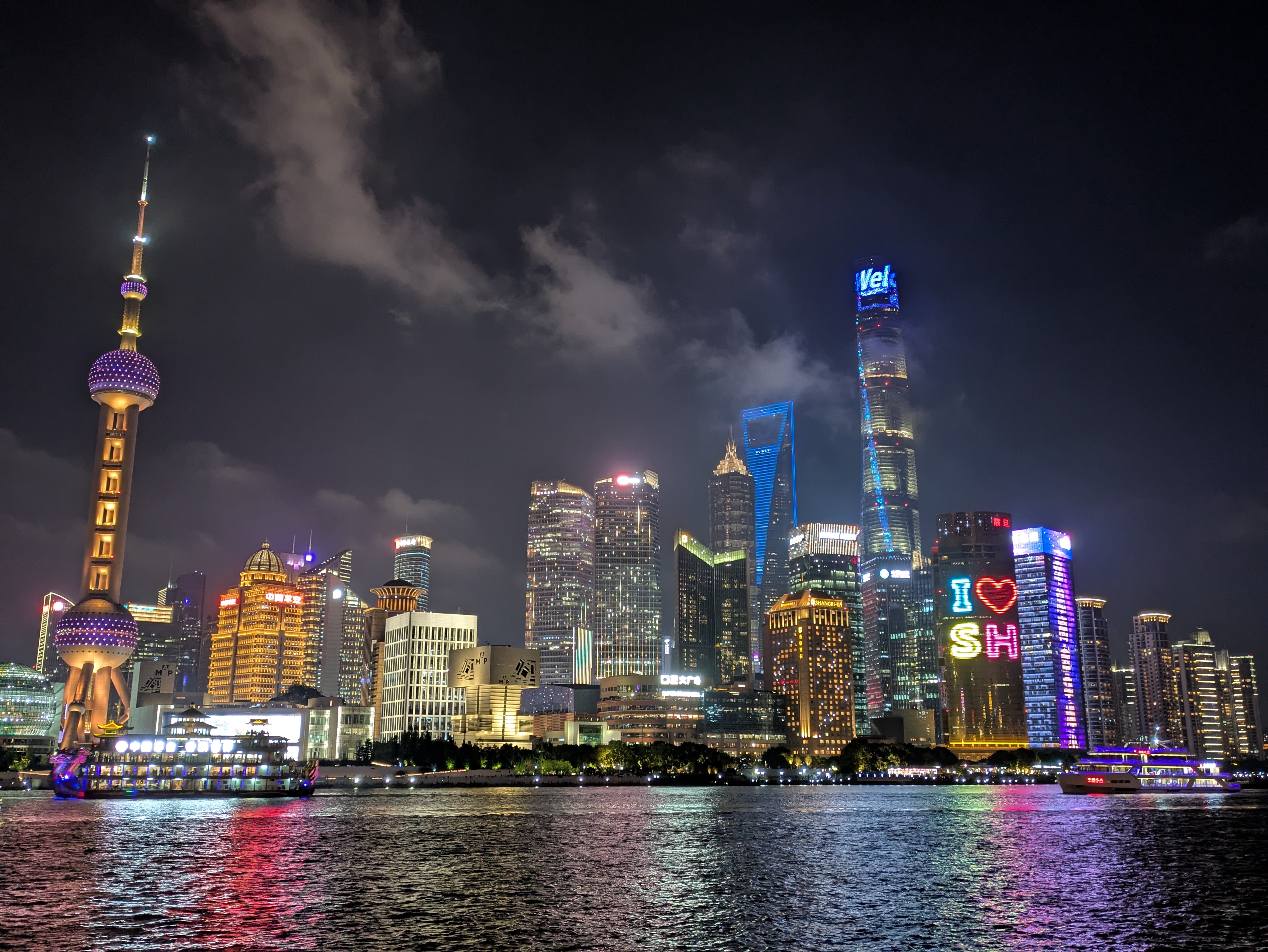
Is The Bund more magnificent in the daytime or nighttime? Hard to decide!
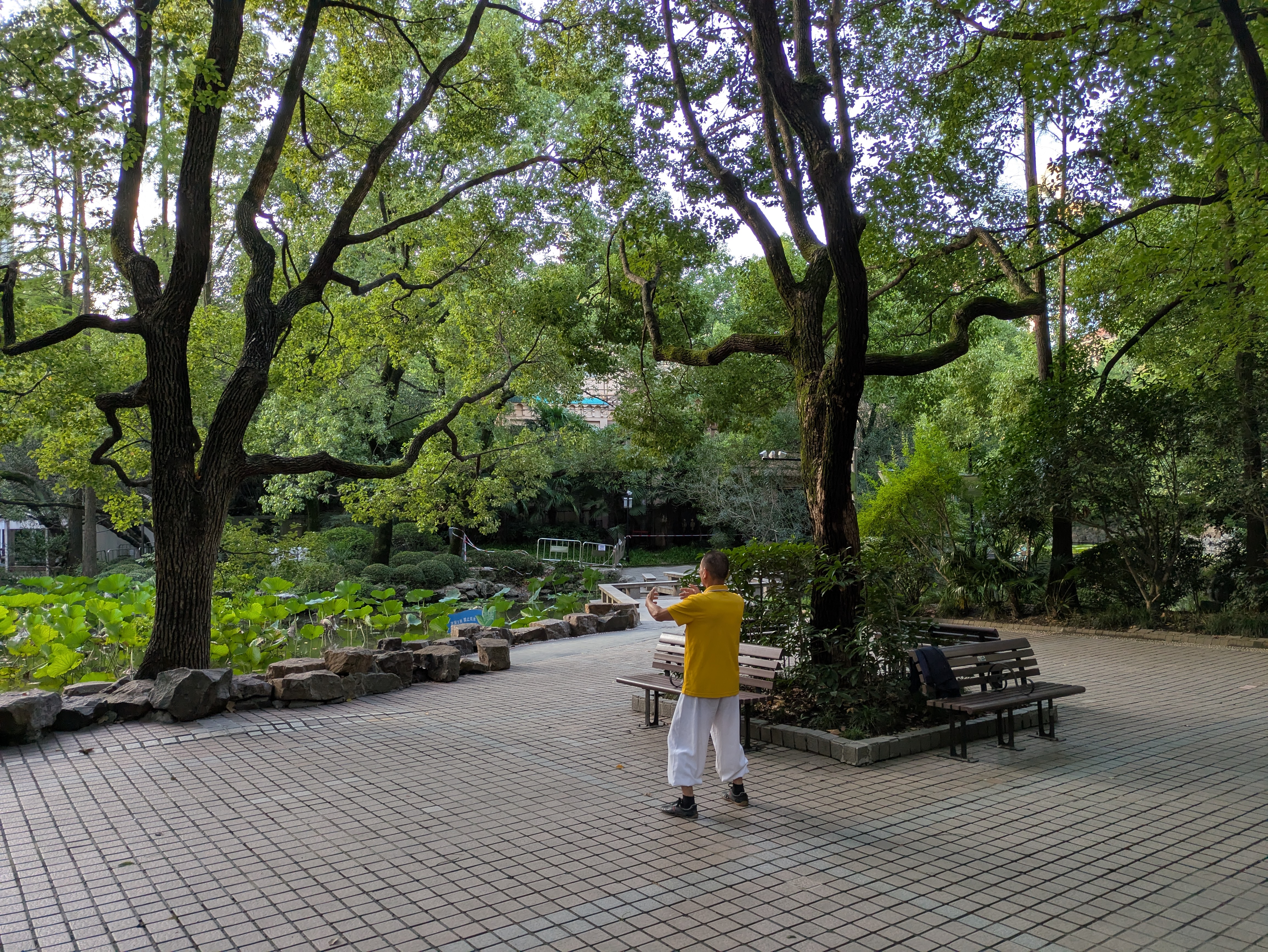
During a morning walk in People's Park, I saw elderly matchmakers, people doing traditional exercises, a man sword dancing. Literally felt like something out of my first-year college Chinese textbook.
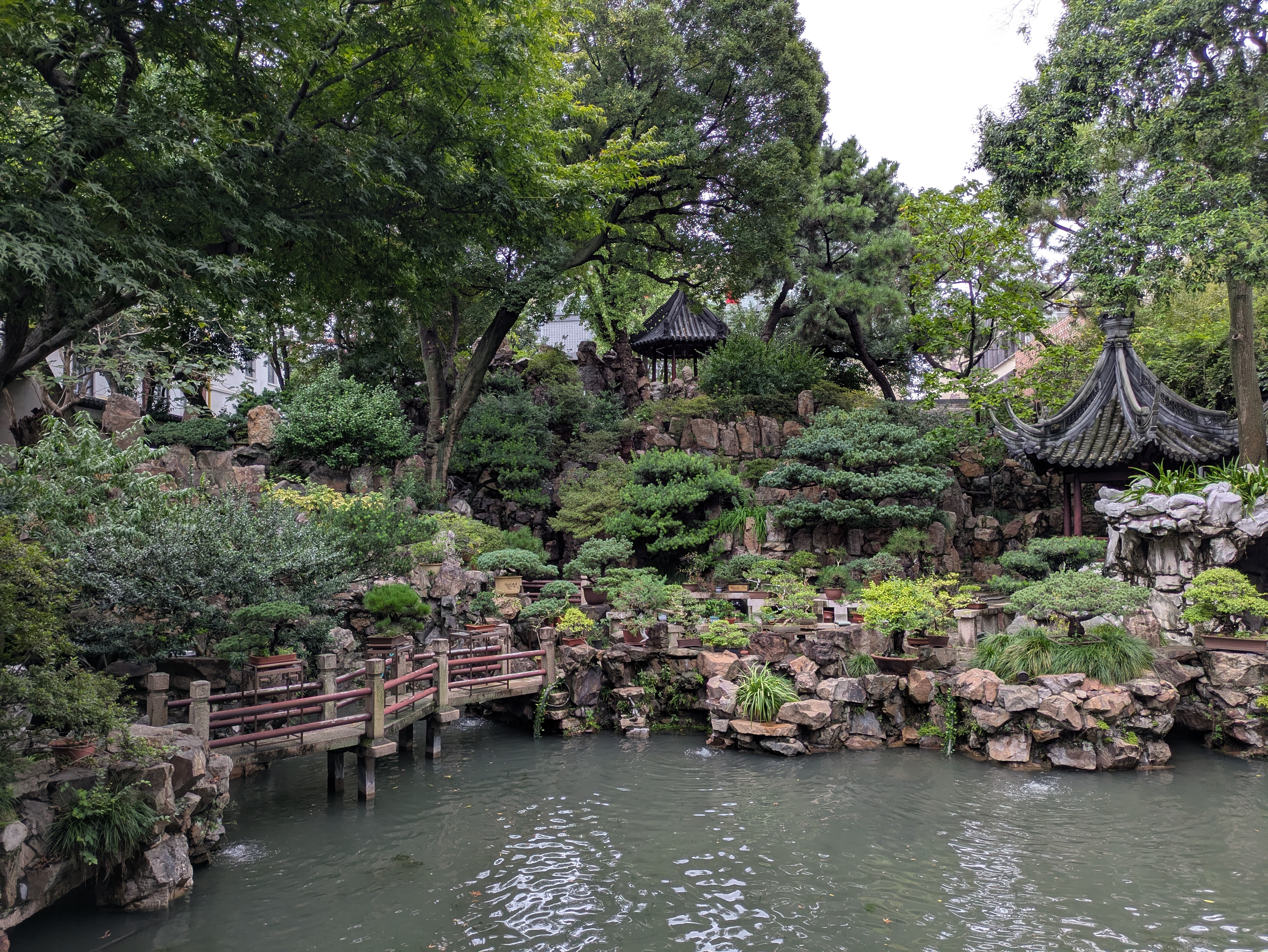
Yu Garden, the first of many many gardens that I visited during my travels.
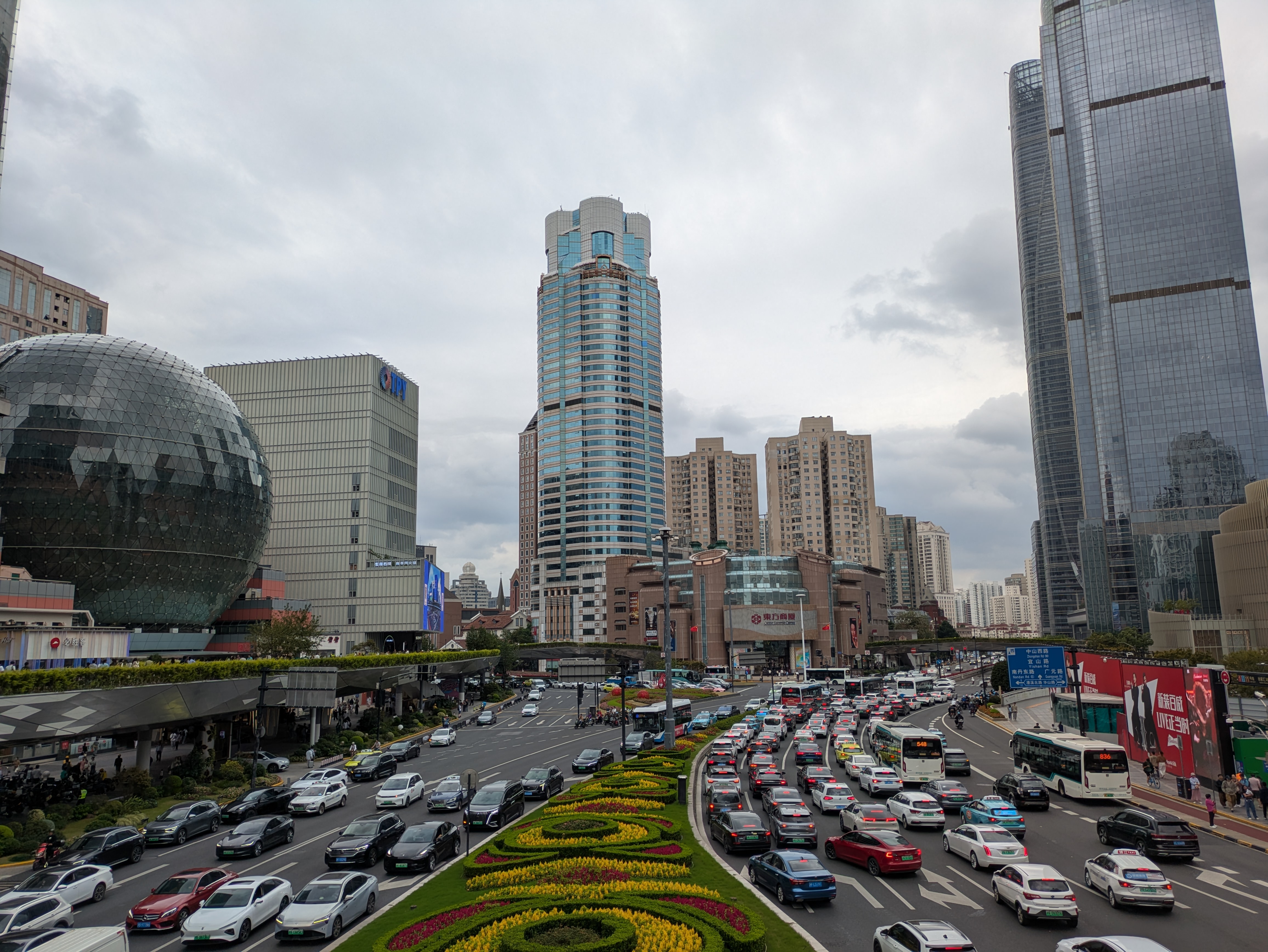
The sprawling shopping complex at Xujiahui was good for a rainy day.
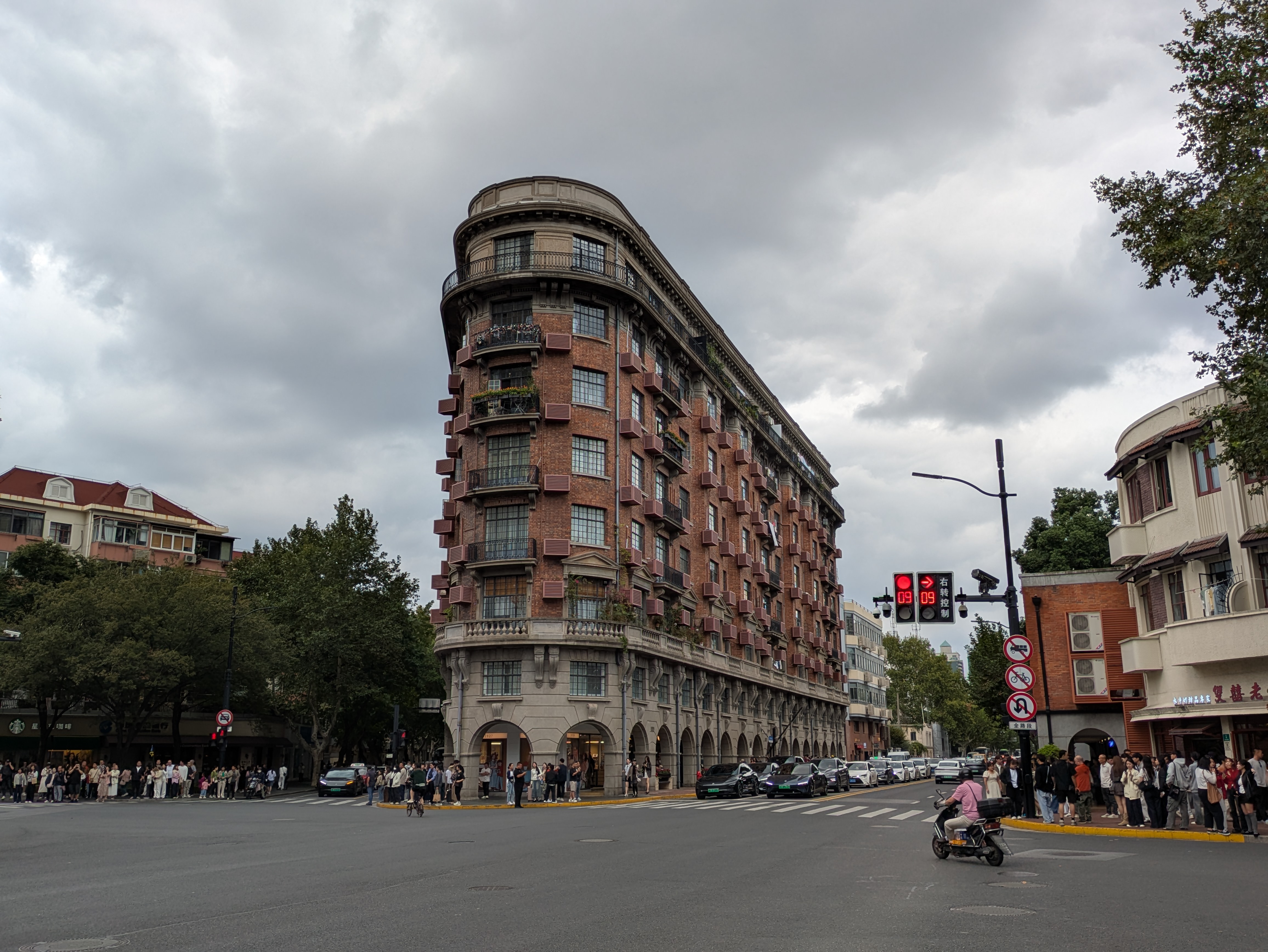
Wukang Mansions. One of the shops on the arcade level was a musical bookstore selling cantopop and Teresa Teng records, which I was tempted to try taking home. Also, there was a delicious vegetarian cafe nearby serving coffee and set meals, but when I tried to visit again two weeks later it had sadly closed down.
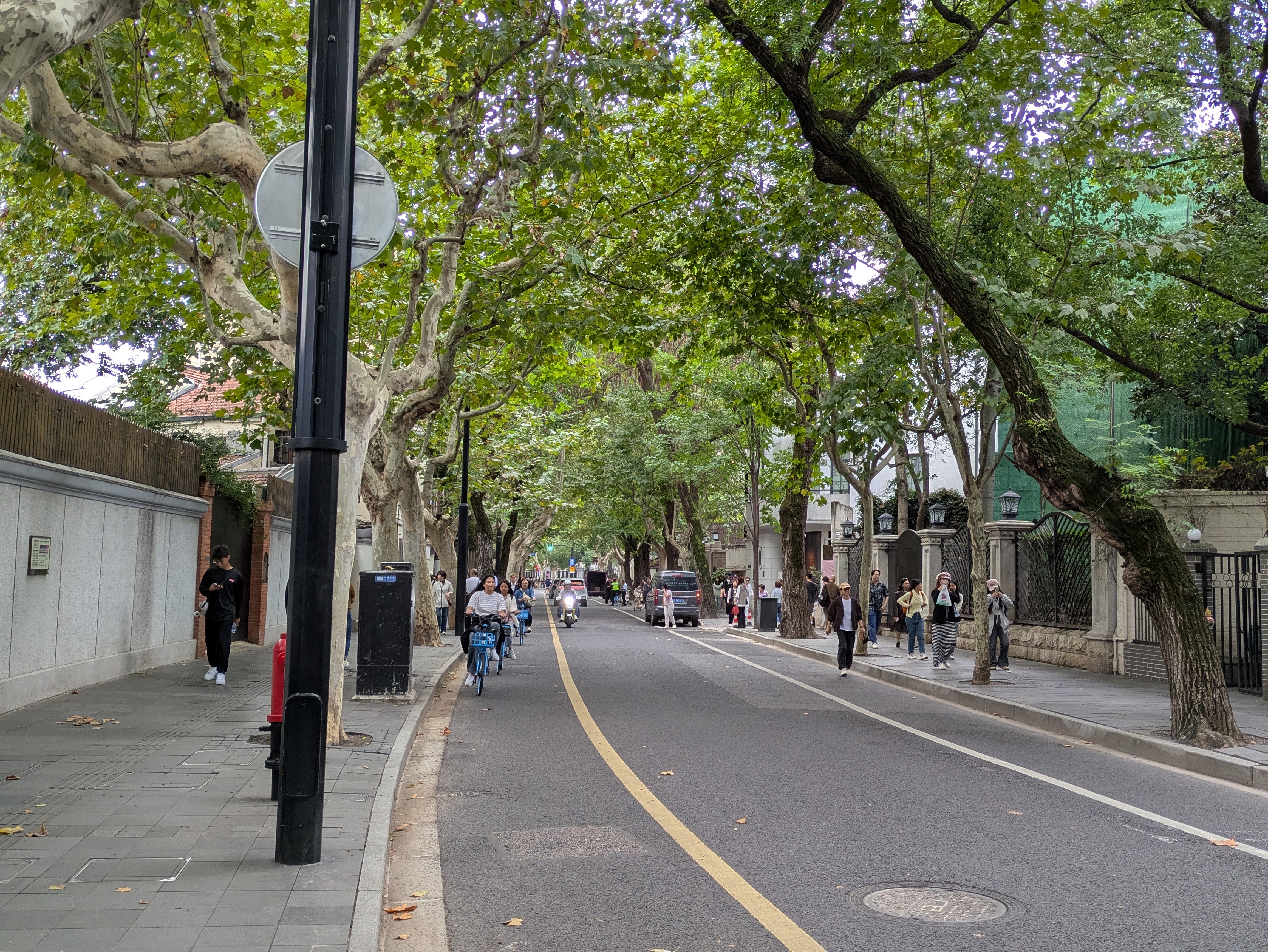
My favorite part of Shanghai was walking around. There are many pleasant streets in the city, thoroughly shaded by canopies of expansive plane trees, and lined by old-style alley residences, many of which have been converted into warm cafes, teahouses, boutiques, bookstores, and even violin shops. Many of the older buildings will be marked with a sign affording little details about the date of completion, architectural style, and materials used, which makes the city feel like a living museum. And in districts like Xintiandi and Jingan, historic structures sit side-by-side with modern skyscrapers and shopping centers. The urban texture of the city is finely layered, with so many fun places to browse and linger. I think it would be a wonderful city to live in.
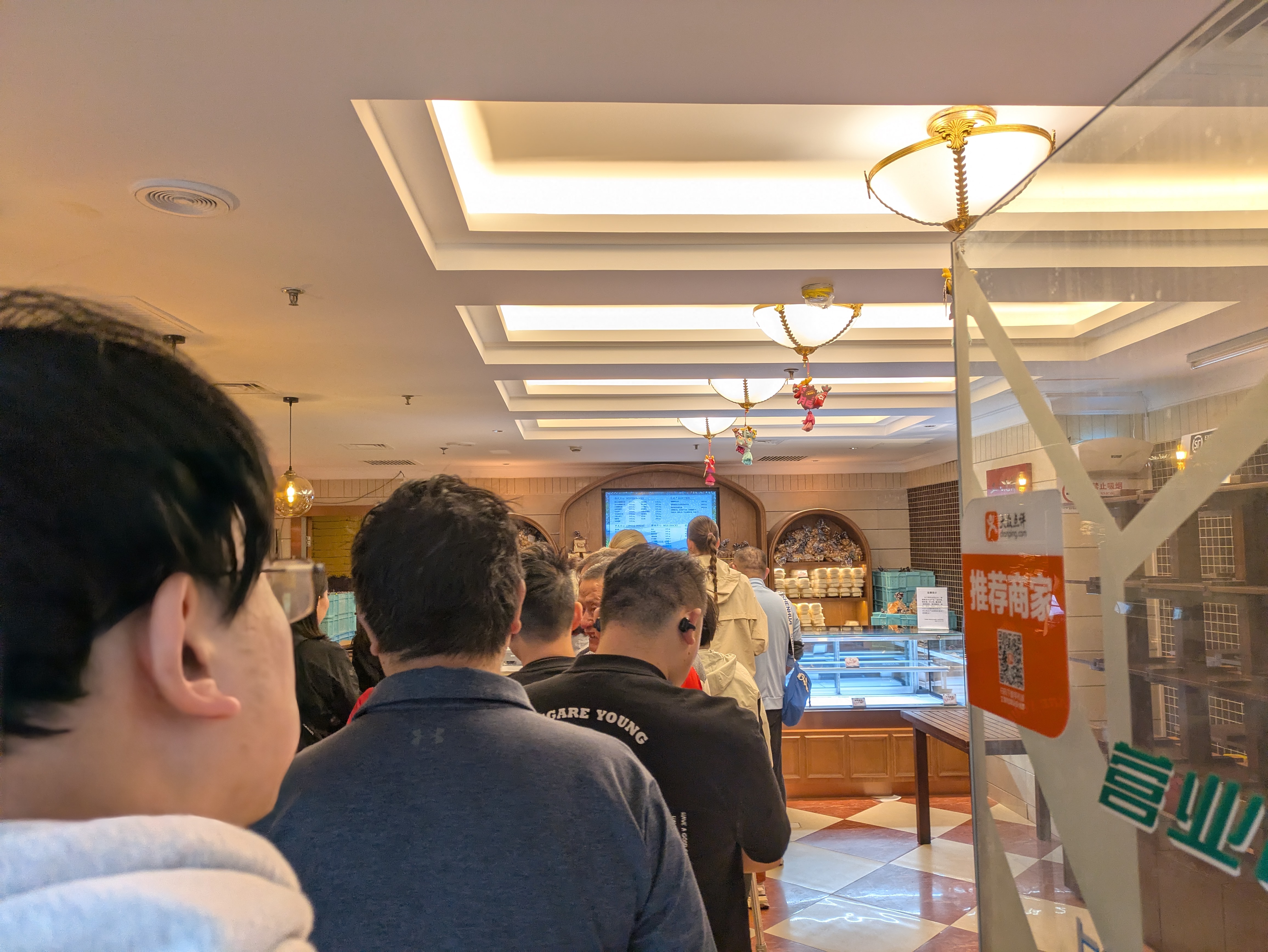
On my final morning in Shanghai I succumbed to the hype and waited in line for an hour to purchase butterfly palmiers at the Park Hotel Deli. They were indeed quite delicious.
Suzhou
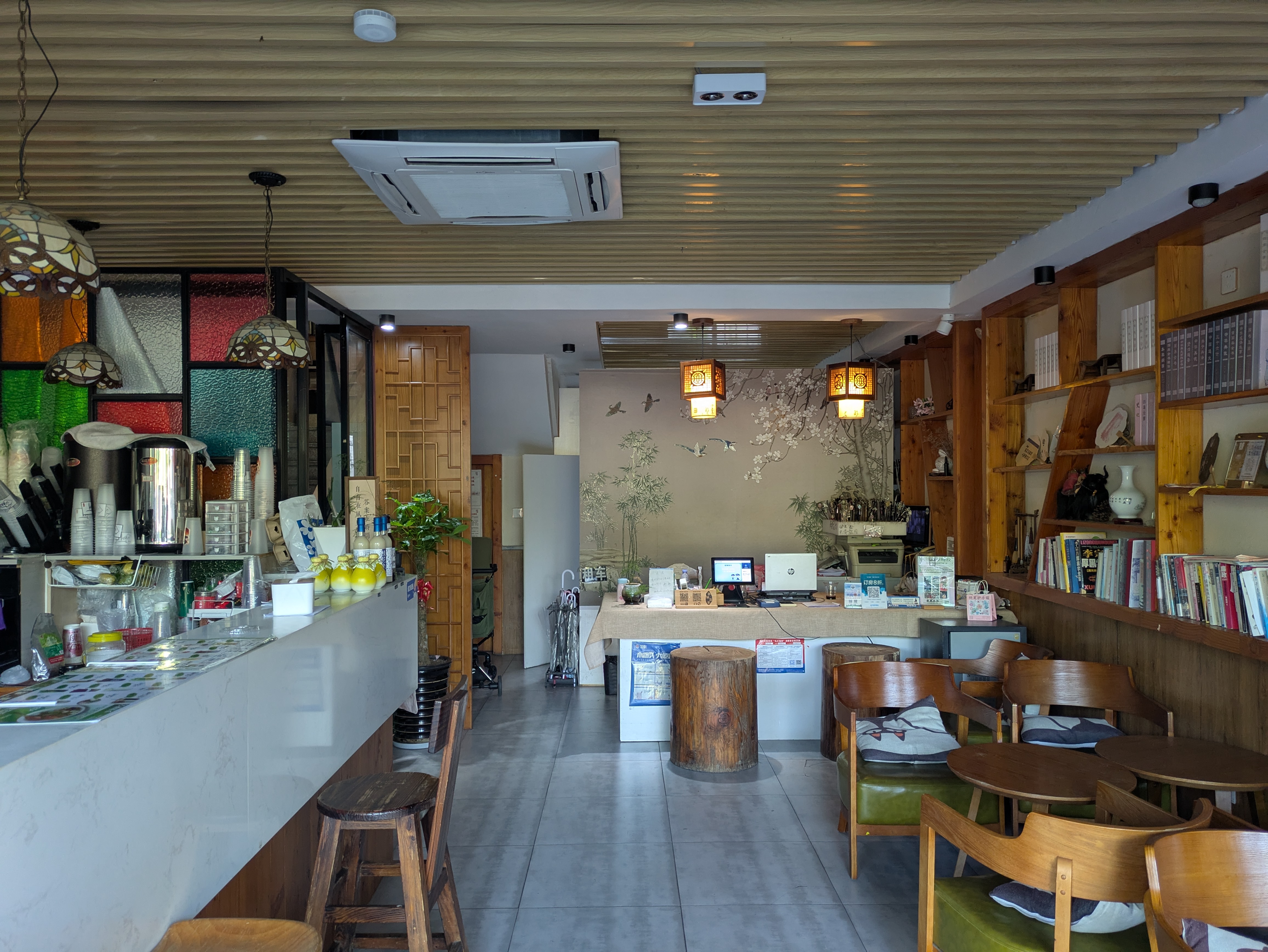
My homestay in Suzhou was my favourite accomodation of the whole trip. The bubbly inkeeper welcomed me warmly and helped me find a way to book tickets to the Suzhou Museum, even after they had seemingly sold out. My room on the second floor was decorated in a tasteful, antique style. Reading and sipping on biluochun tea during my first night, I felt like a scholar from the days of old.
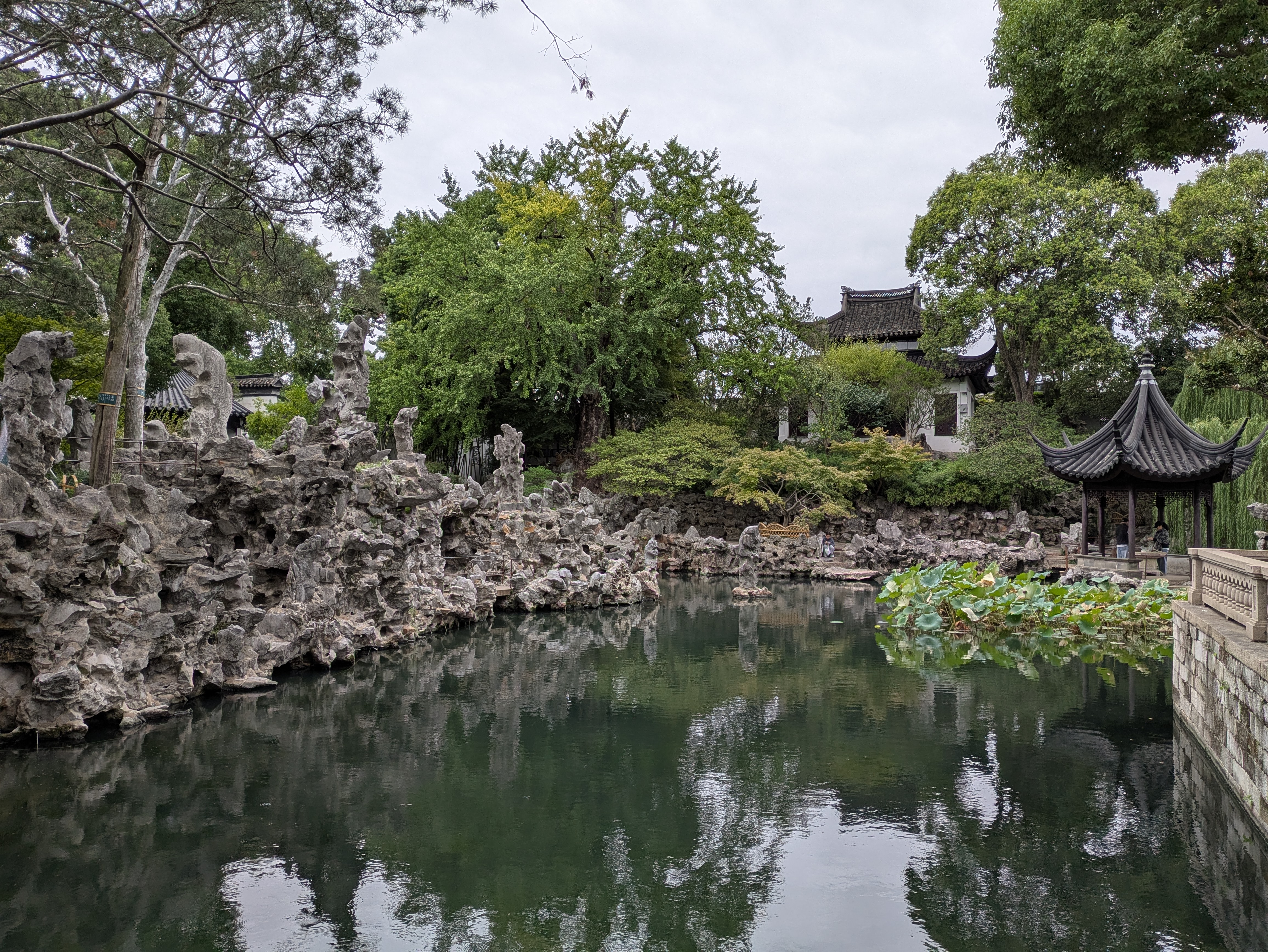
I spent a bit too much time wandering like a child through the maze of rockery at the Lion's Rock Garden.
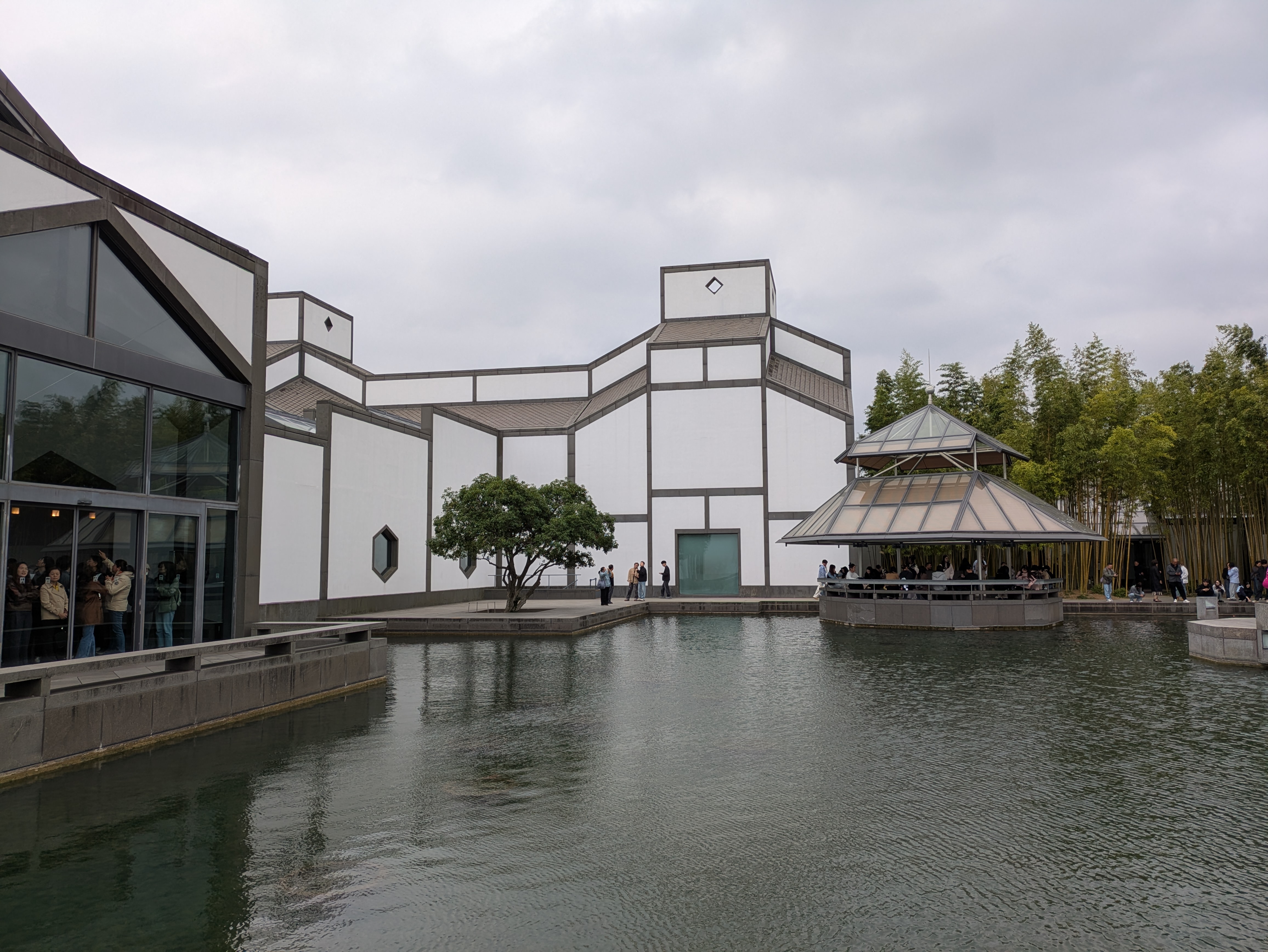
The Suzhou Museum is an incredible space. Nice job, I.M.
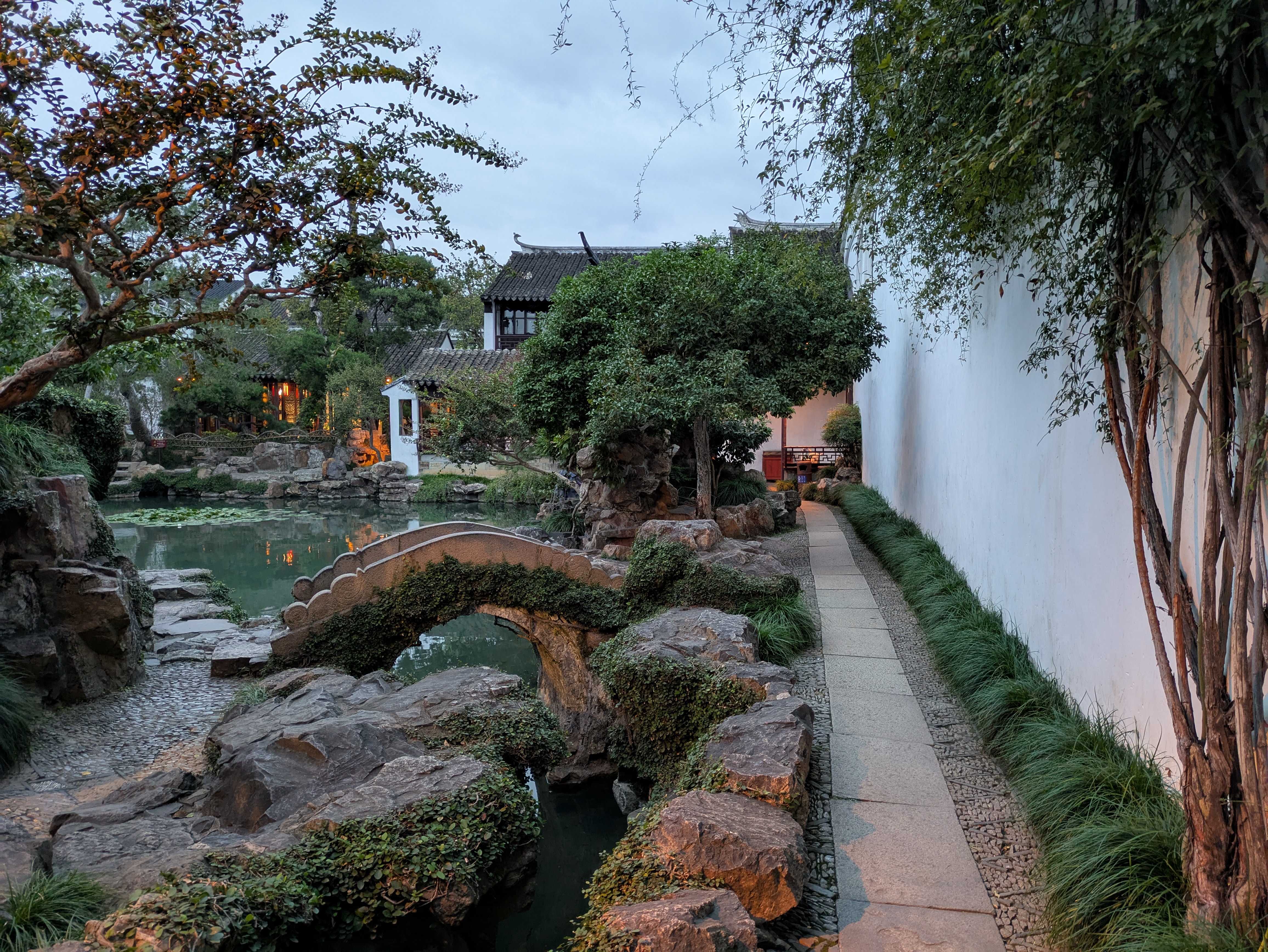
Of all the gardens I visited in Suzhou, Master of Nets was my favourite. Compact, elegant, less tourists than the other ones. The teahouse had a wonderful performance of classical Suzhou-style music.
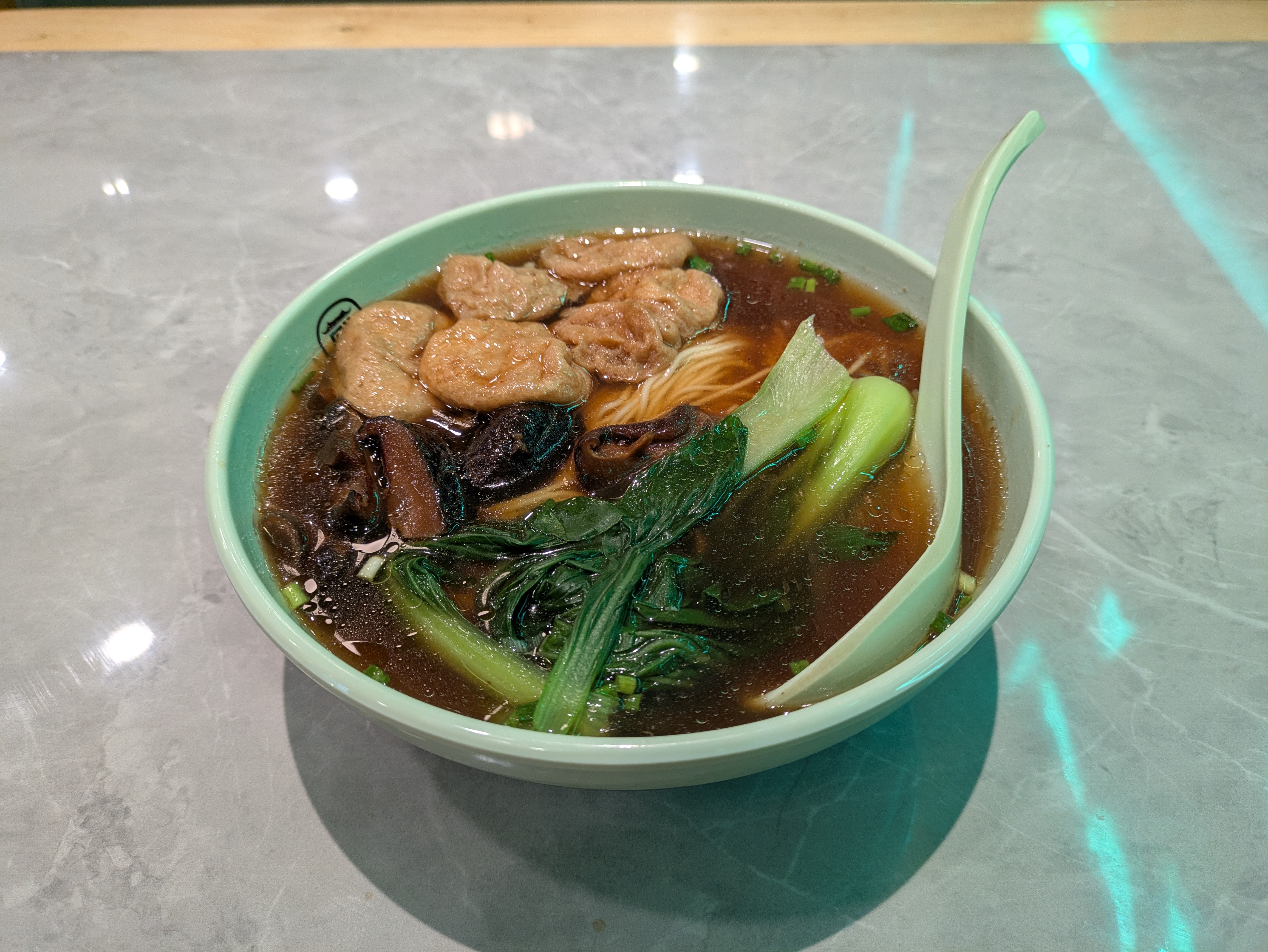
I really, really liked the noodles in Suzhou. Someone please open up a shop in the L.A. area.
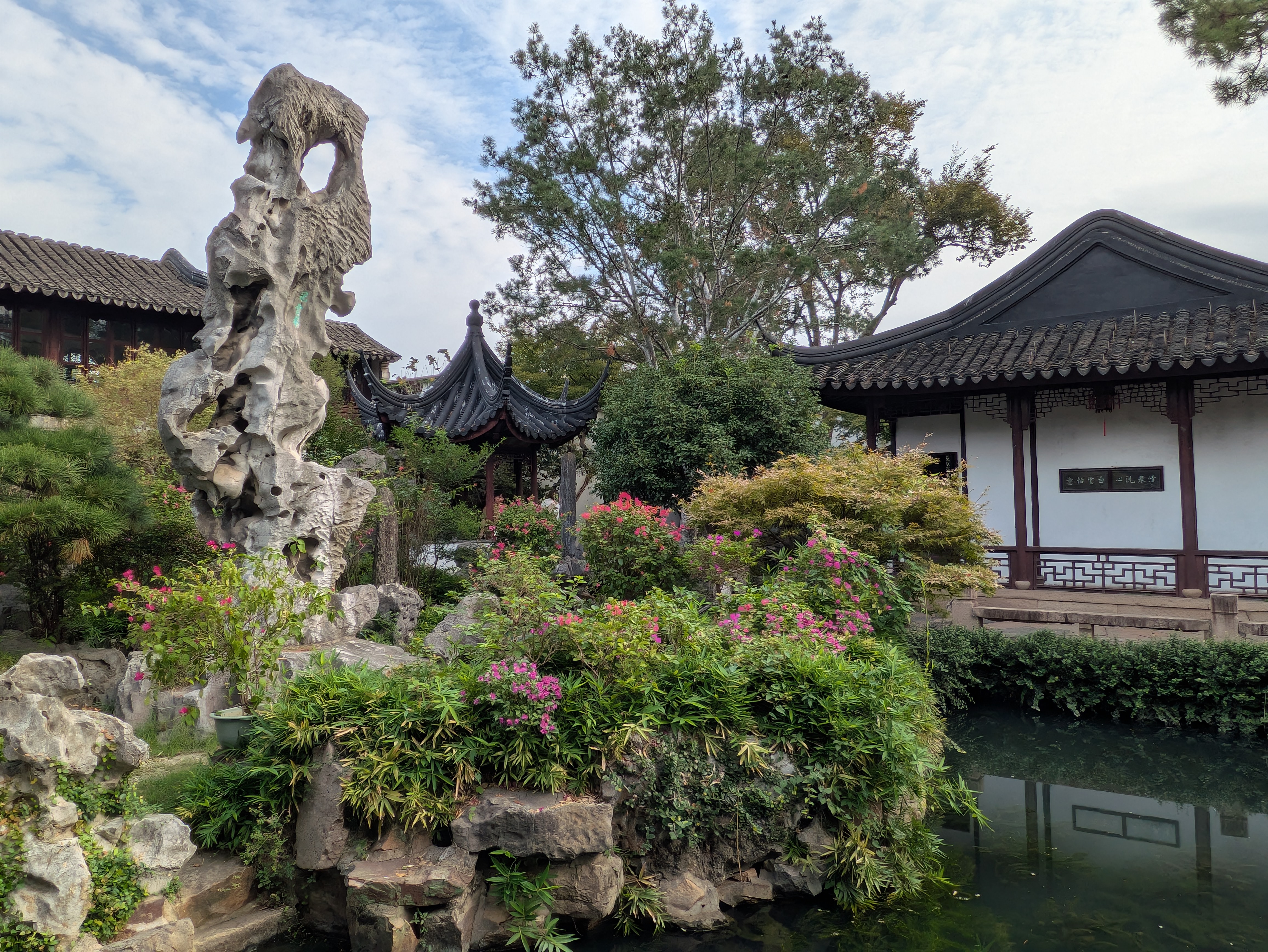
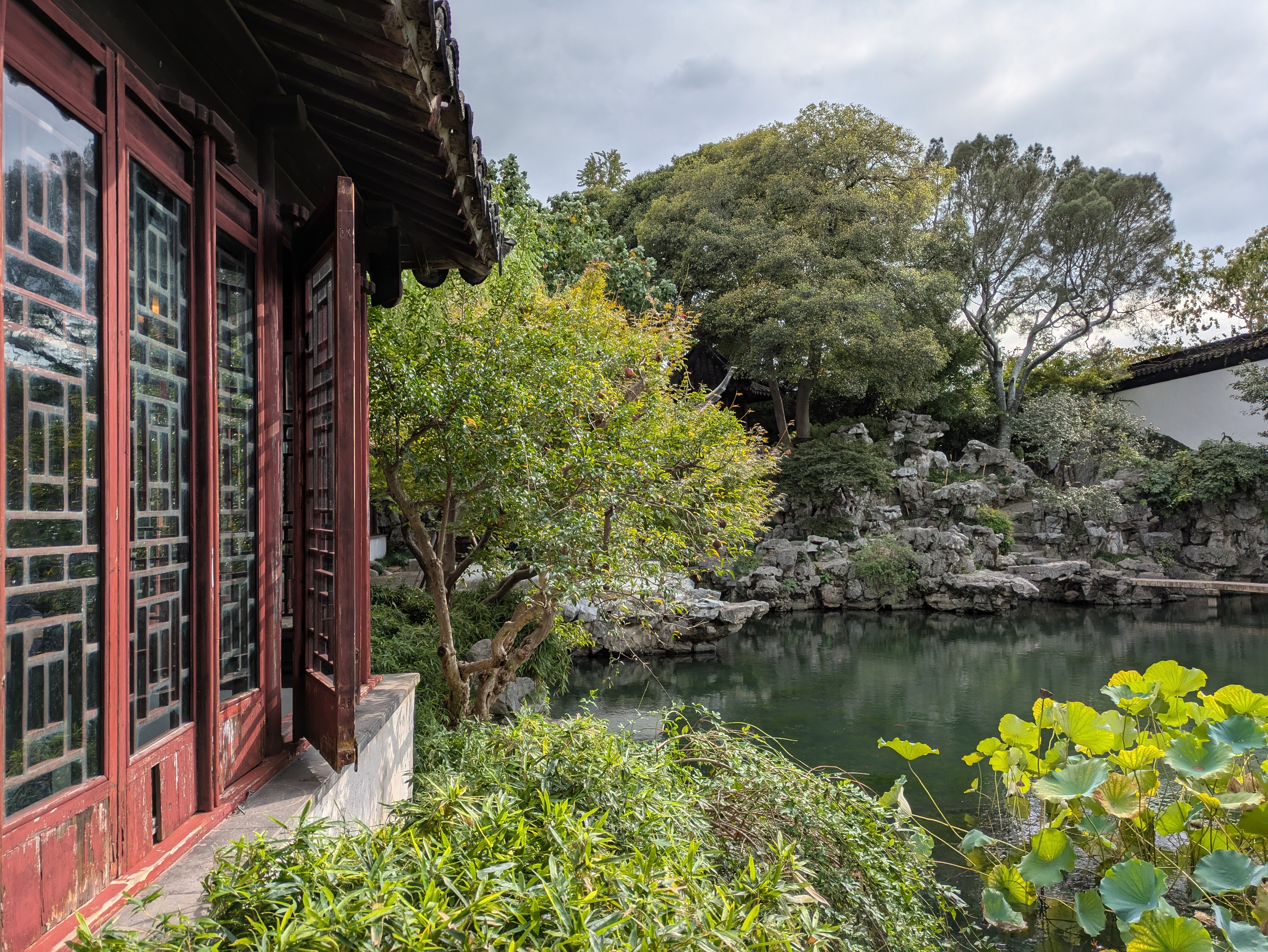
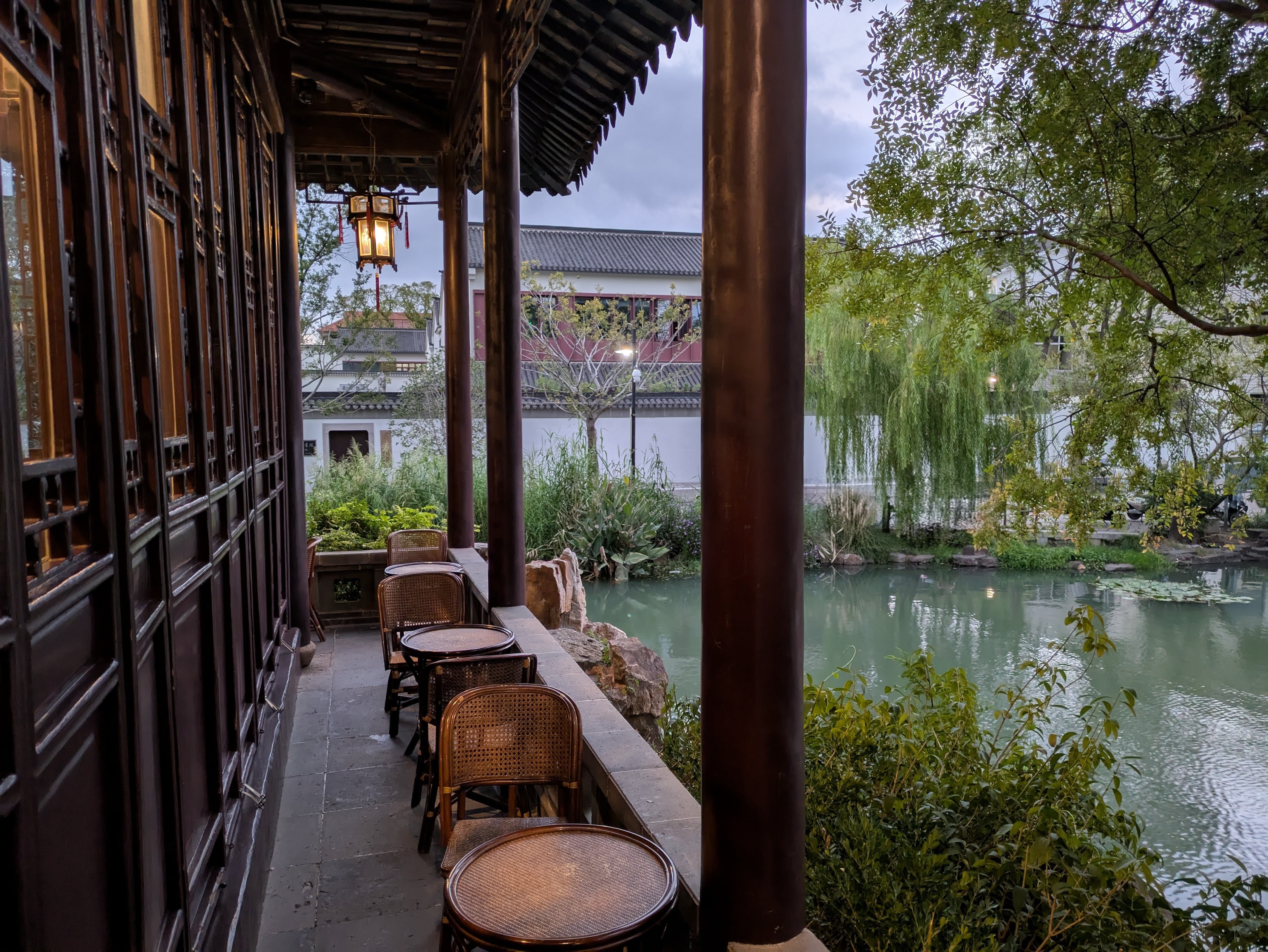
On my second full day in Suzhou, I hit three more gardens -- Lingering Garden (cool but touristy), Cultivation Garden (small and quiet), Canglang Pavillion (peaceful at dusk).
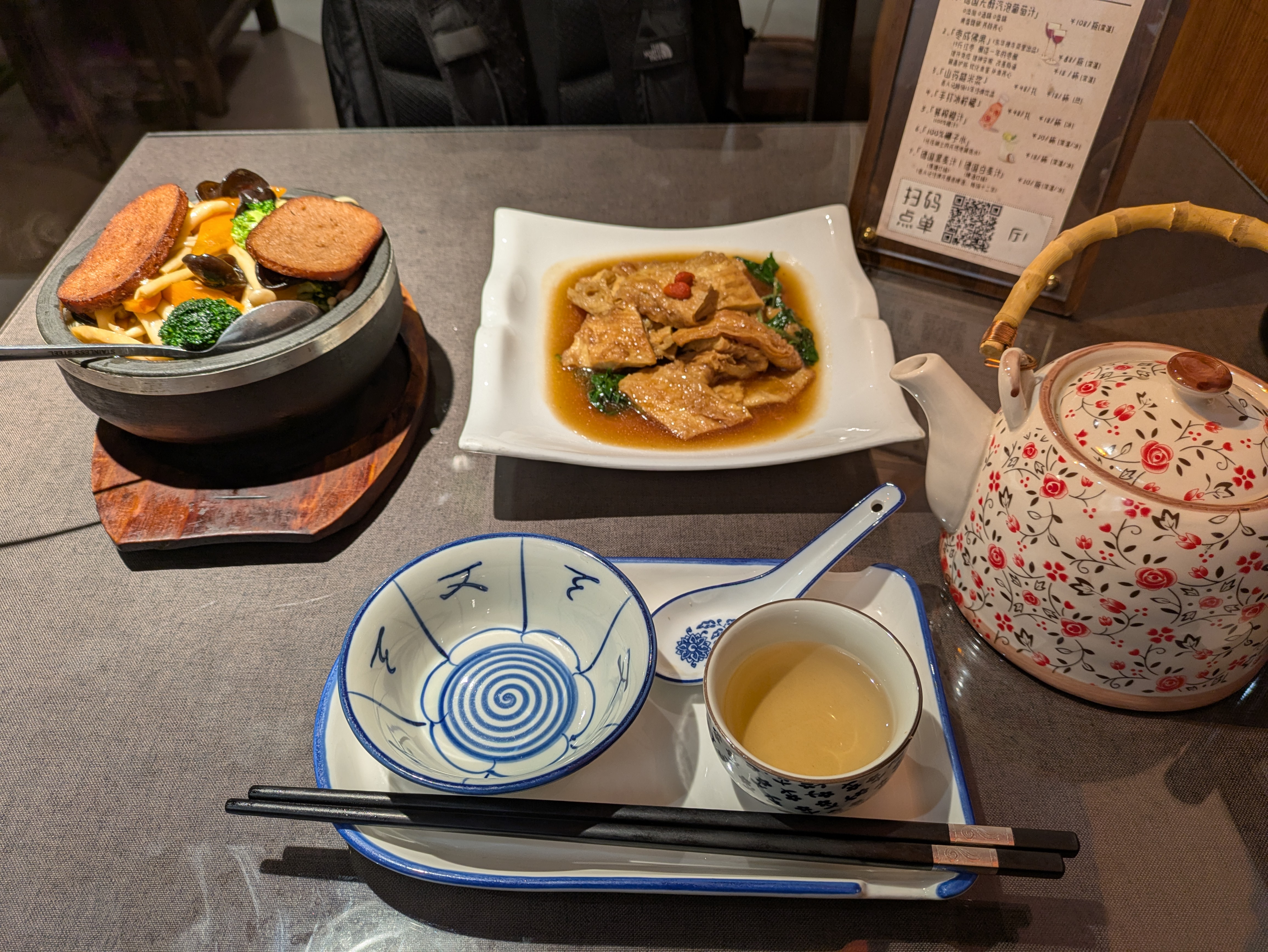
I had an amazing vegetarian dinner on Shiquan Road on my second evening. Taiwanese bean curd, stone rice bowl, hot tea. The owner was an older lady, very friendly. If I could dine at a place like this every day I would be very happy.
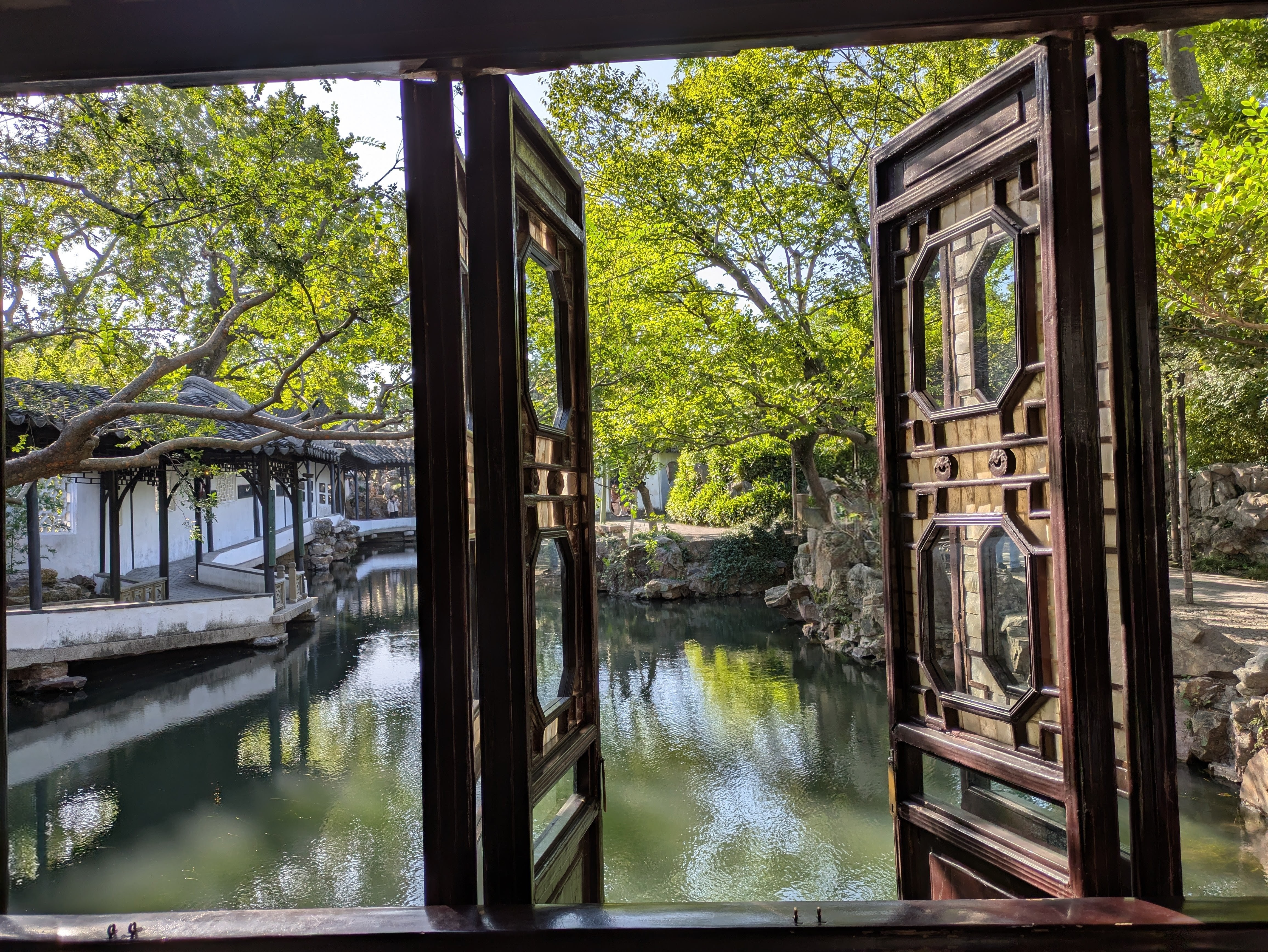
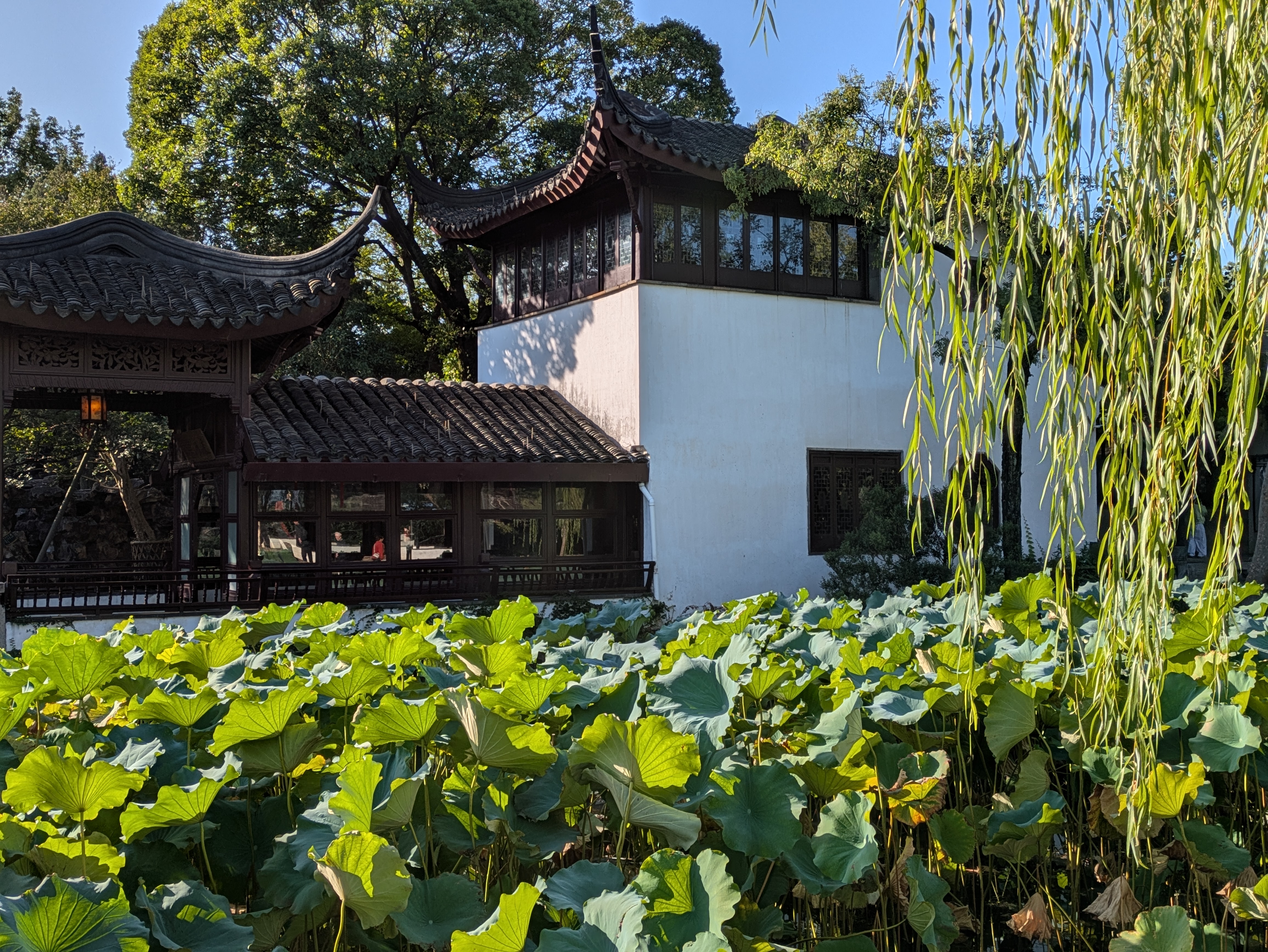
I saved the biggest fish of all, the Humble Administrator's Garden, for my last morning. It's very large! And somehow every square foot is crawling with tourists. But beautiful nonetheless.
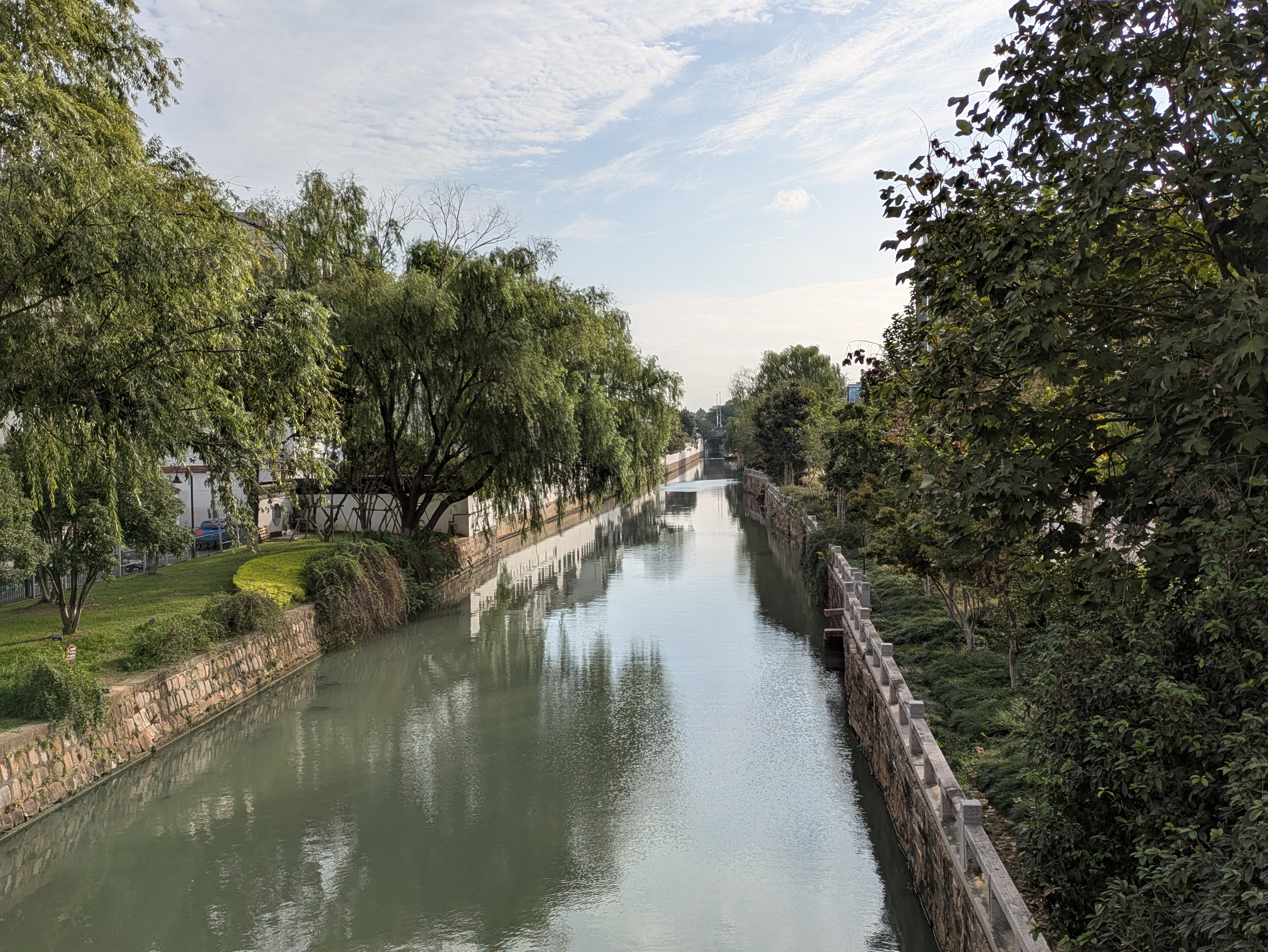
Over my stay there, I became pretty obsessed with the Suzhou Canals, and Suzhou in general. I could see myself staying for several weeks sometime in the future, spending each day reading, journaling, sipping tea at a different garden, and trying out a new restaurant on Shiquan Road each evening.
Nanjing
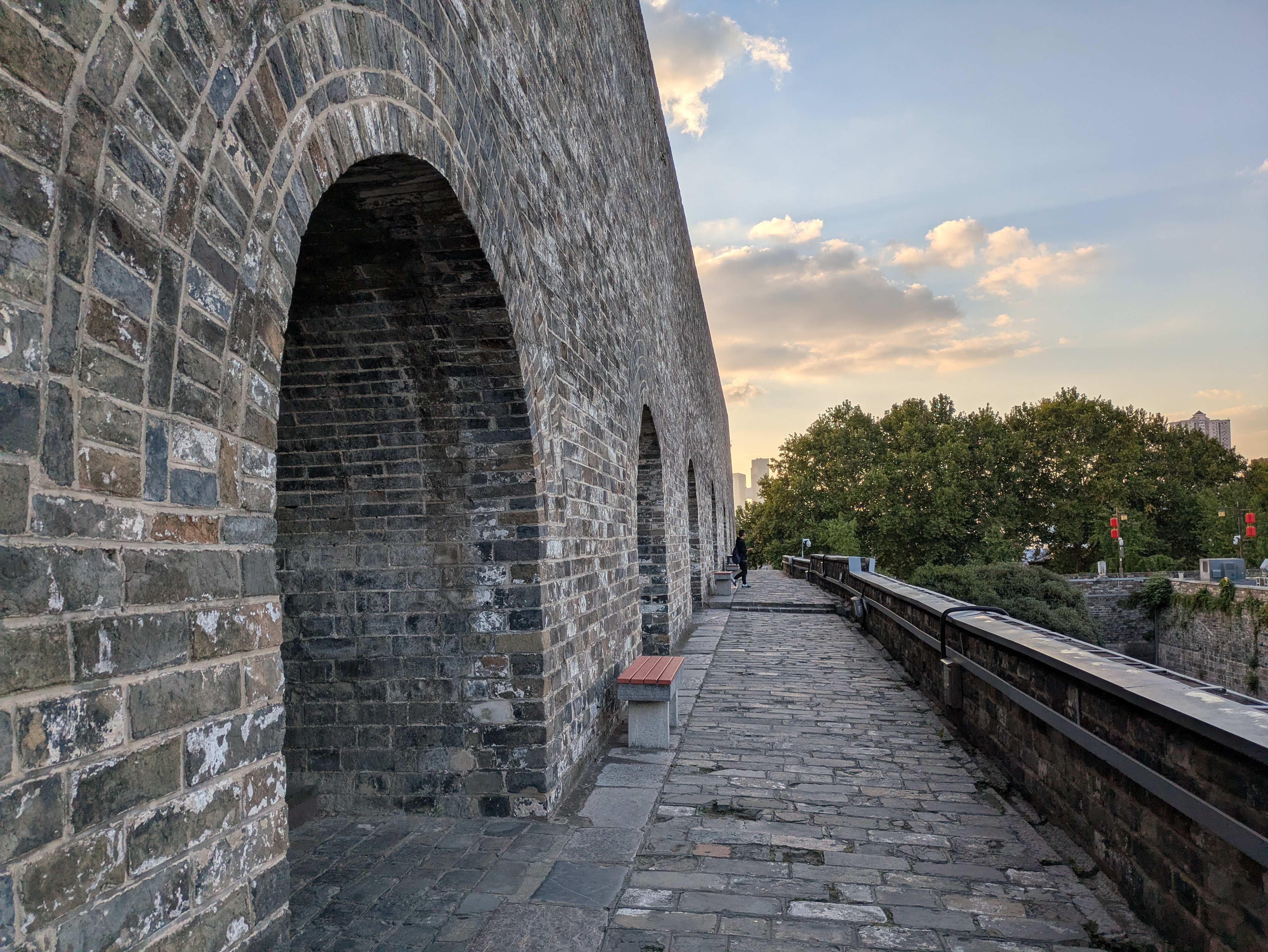
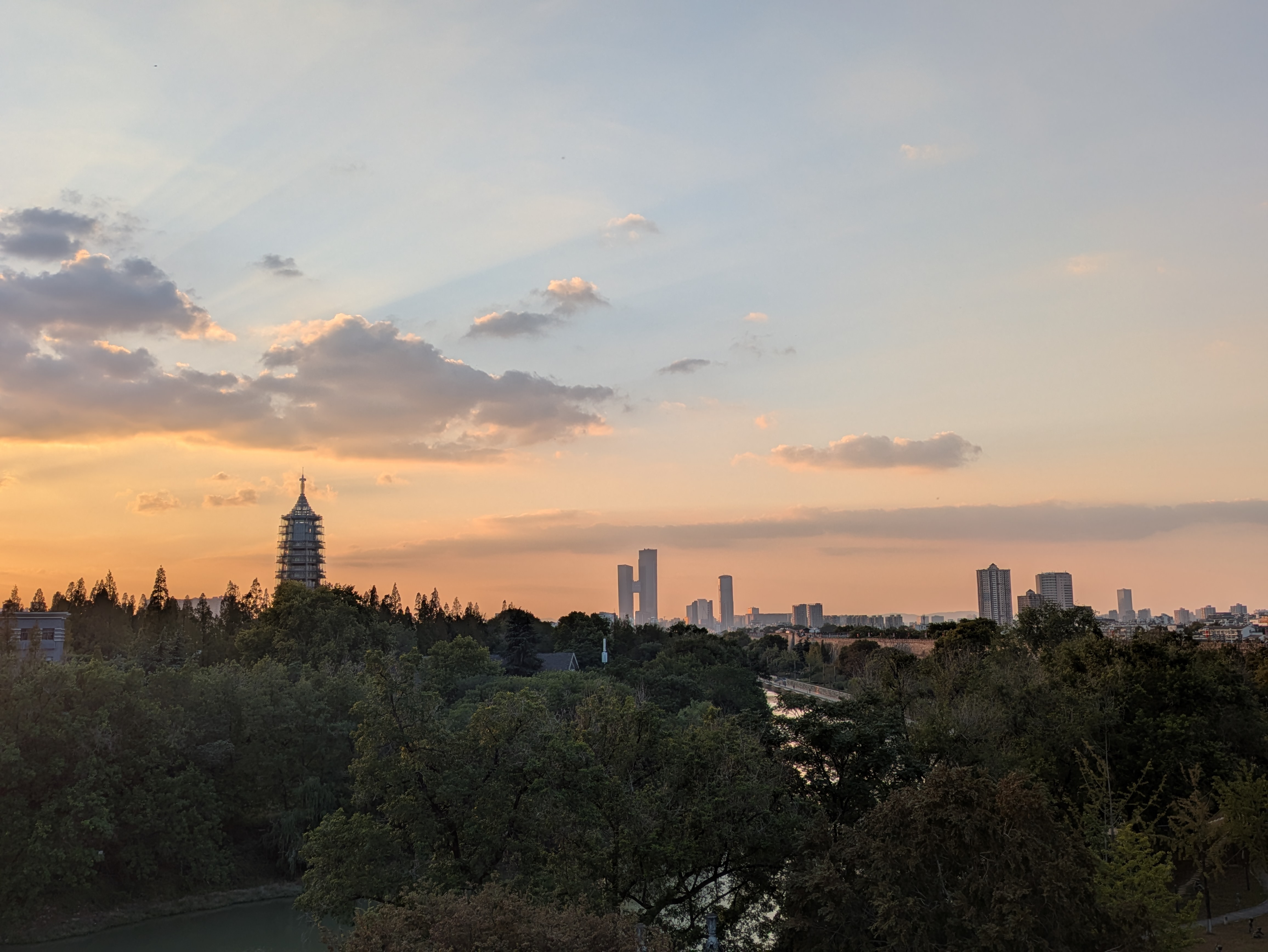
The City Wall was the first attraction I visited in Nanjing. Towards sunset on my first afternoon there, it afforded incredible views of the city. There are even bikes that you can rent there. I lingered on top of the wall an hour past closing time and was slightly worried I wouldn't be able to get down, but I eventually found a way.
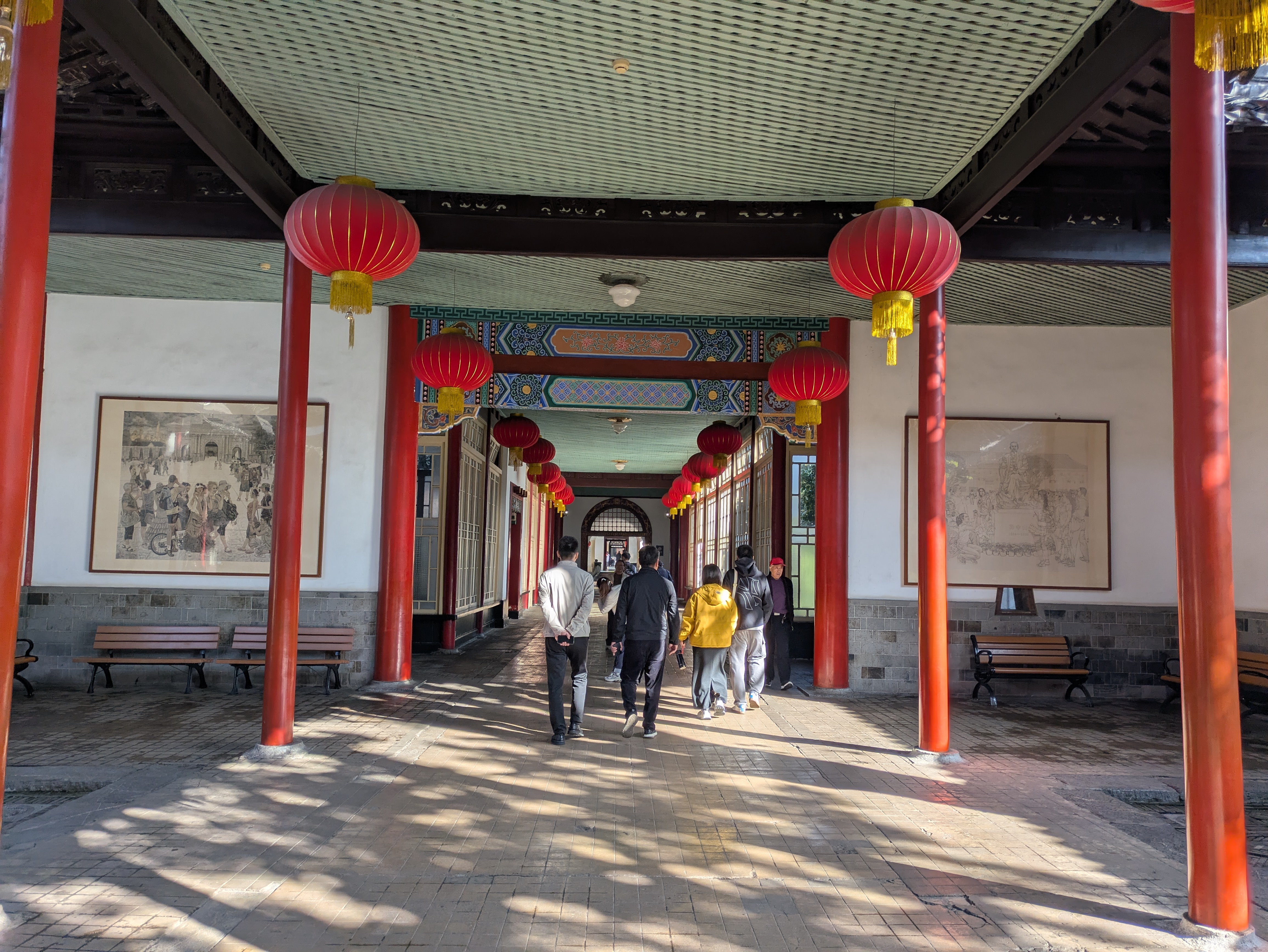
So many layers of history at the Presidential Palace, from the Taiping Heavenly Kingdom to the first congress of the Chinese Republic to the Nationalist Period.
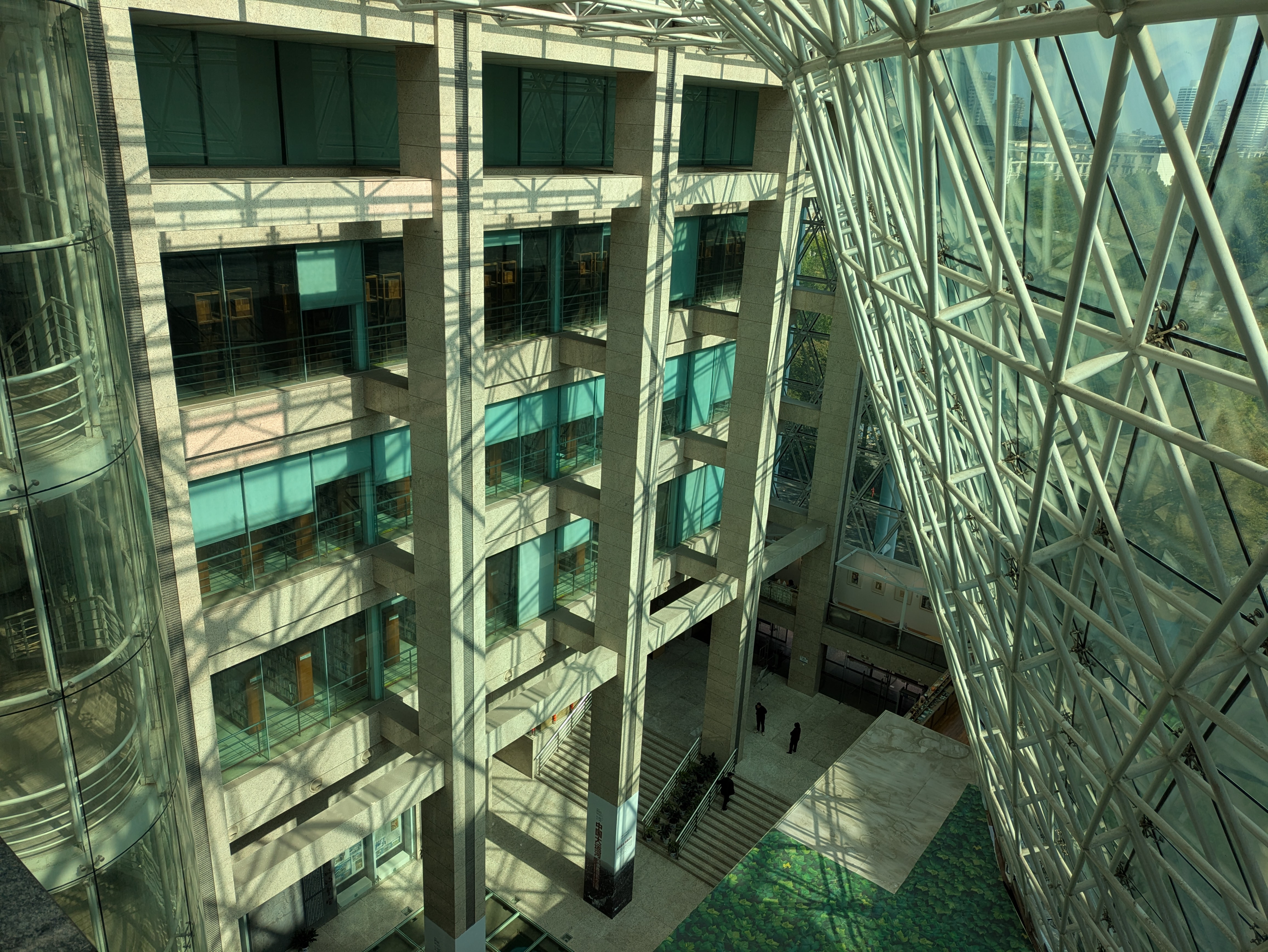
I was deeply impressed by the Nanjing Library. The architecture is striking, and there are so many great places to study. If I returned to Nanjing I would spend a full day there.
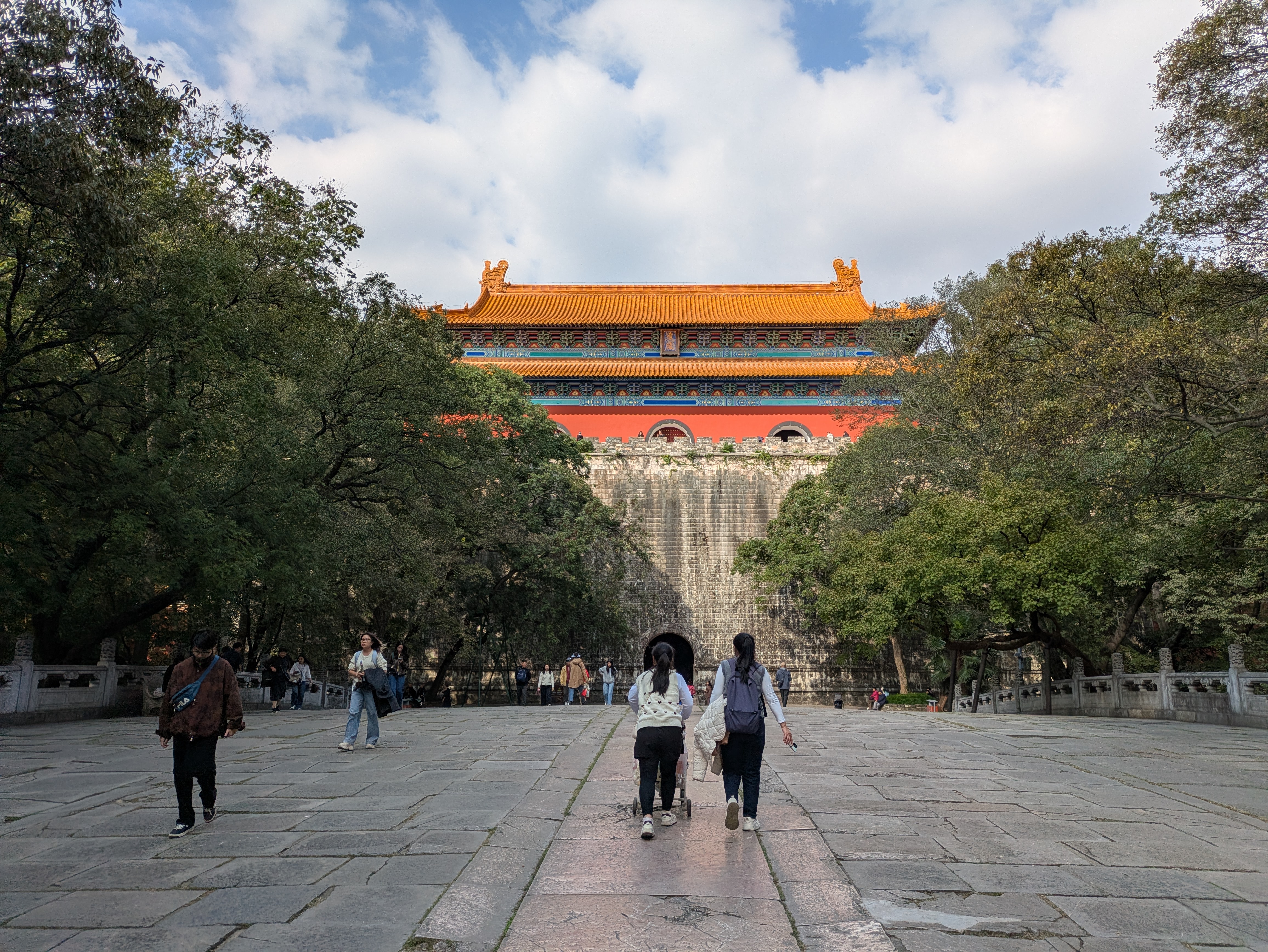
The Xiaoling Tomb was a peaceful spot. I enjoyed learning about this man of humble origins who became the founder of a great dynasty.
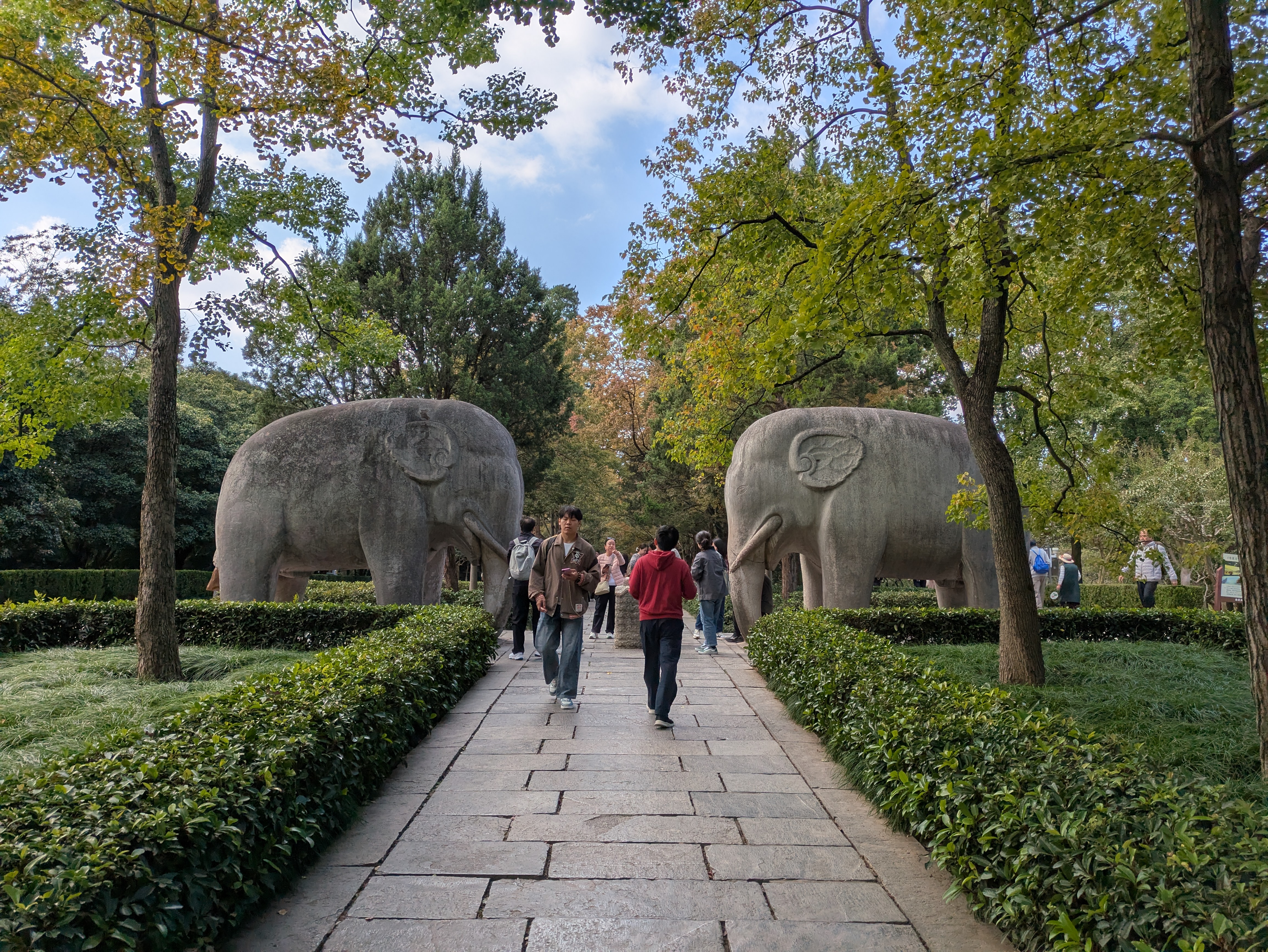
The Sacred Way.
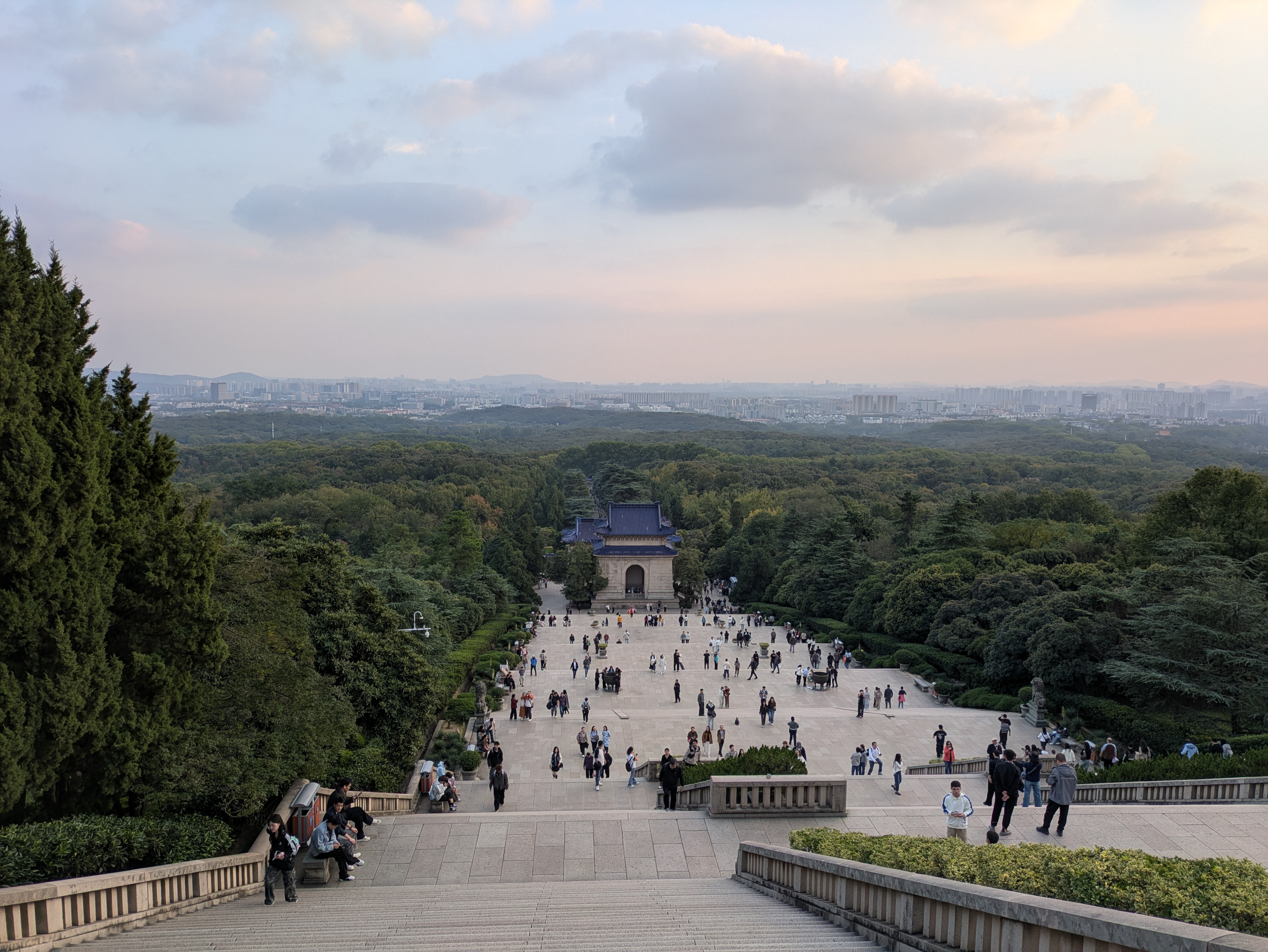
Zhongshan Mausoleum.
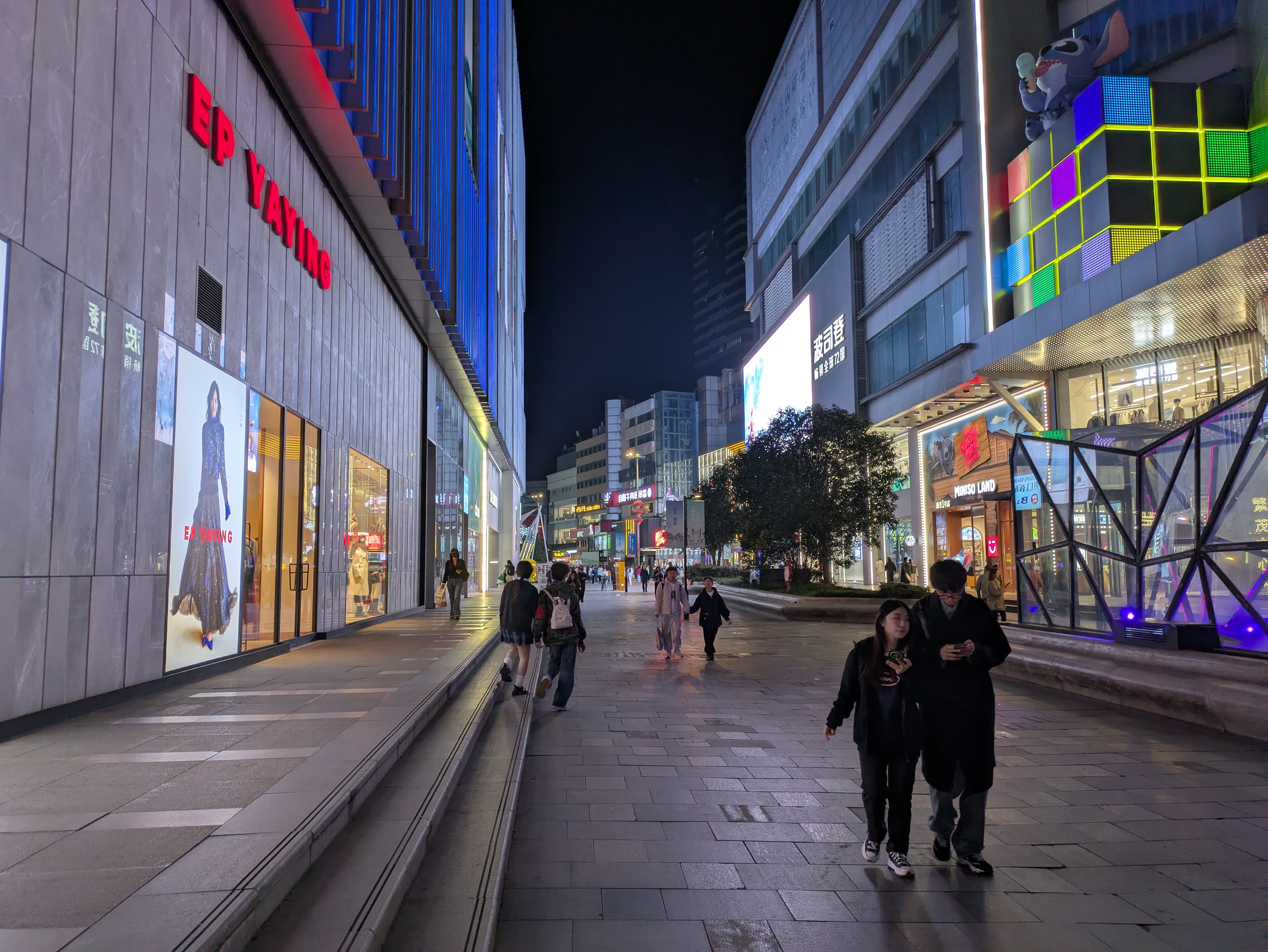
It wasn't the most memorable part of my trip, but Nanjing was a cool city overall, very cosmopolitan, rich with history. I'm glad that I got to go. I also enjoyed chatting with the elderly uncle who looked after my hotel. He used to be a soldier in the Chinese military.
Hangzhou
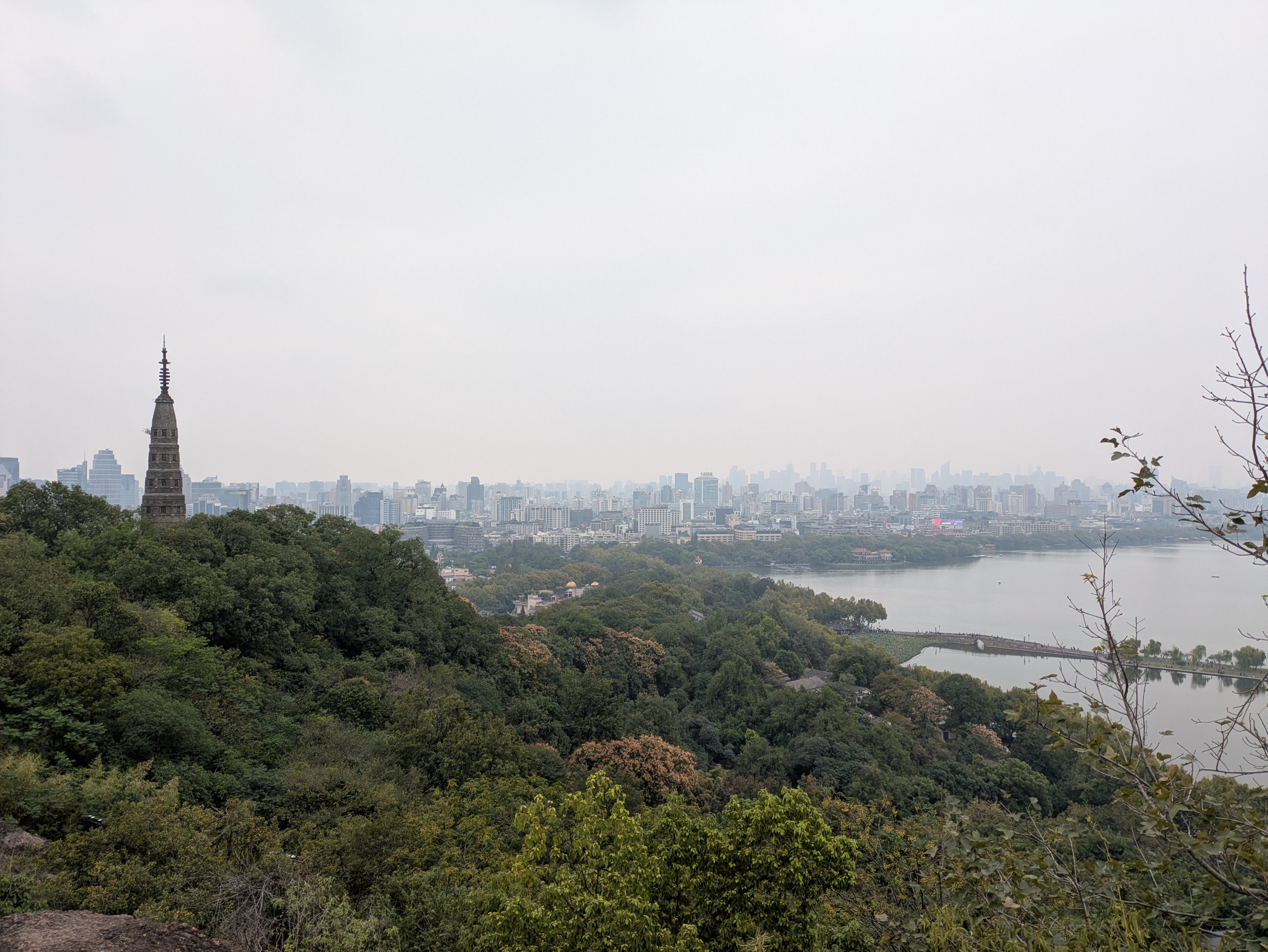
Baoshi Mountain affords a nice view of West Lake on one side, and the city of Hangzhou on the other.
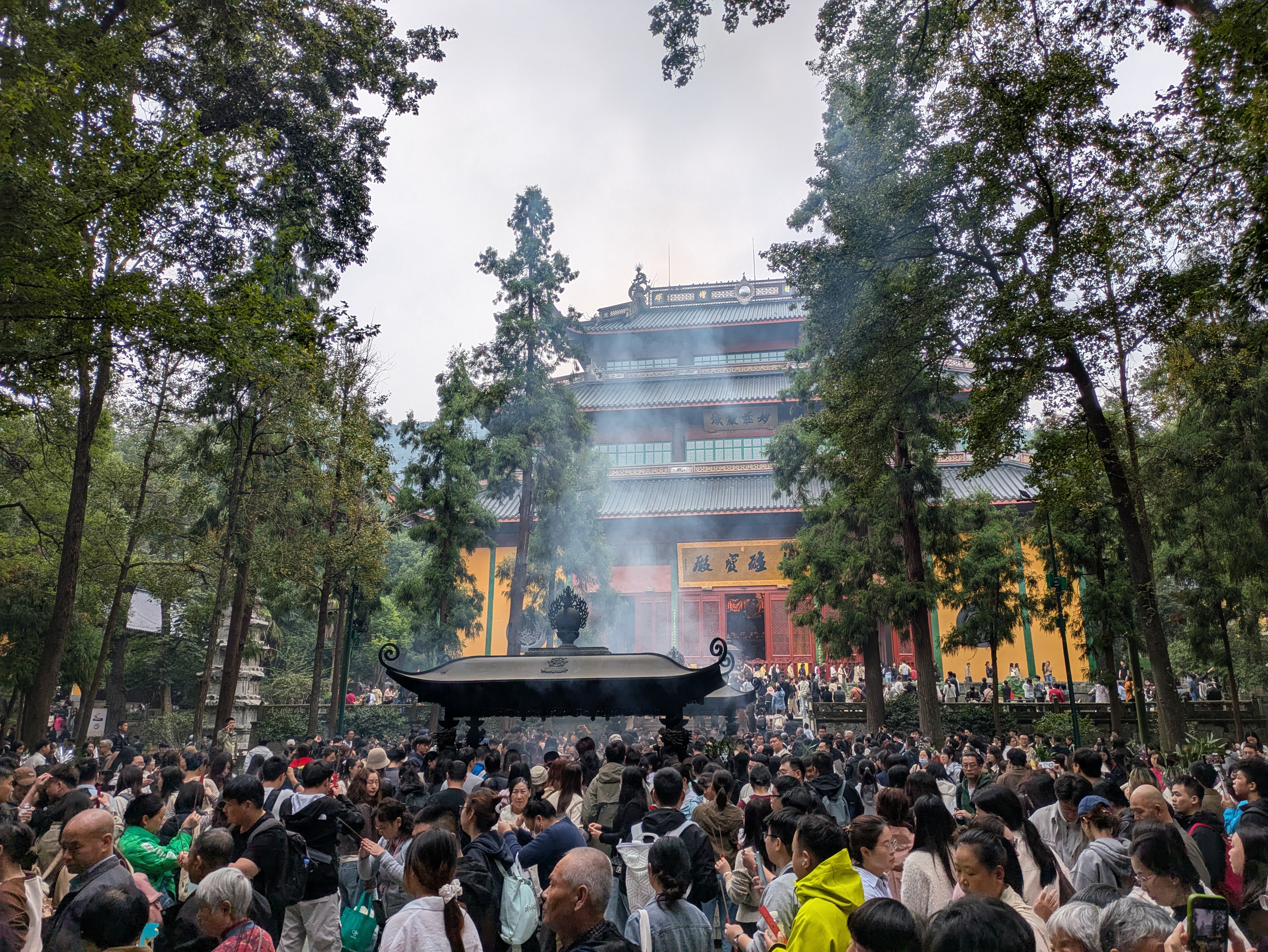
Lingyin Temple was bustling. Across from the temple there were cool caves with ancient rock carvings.
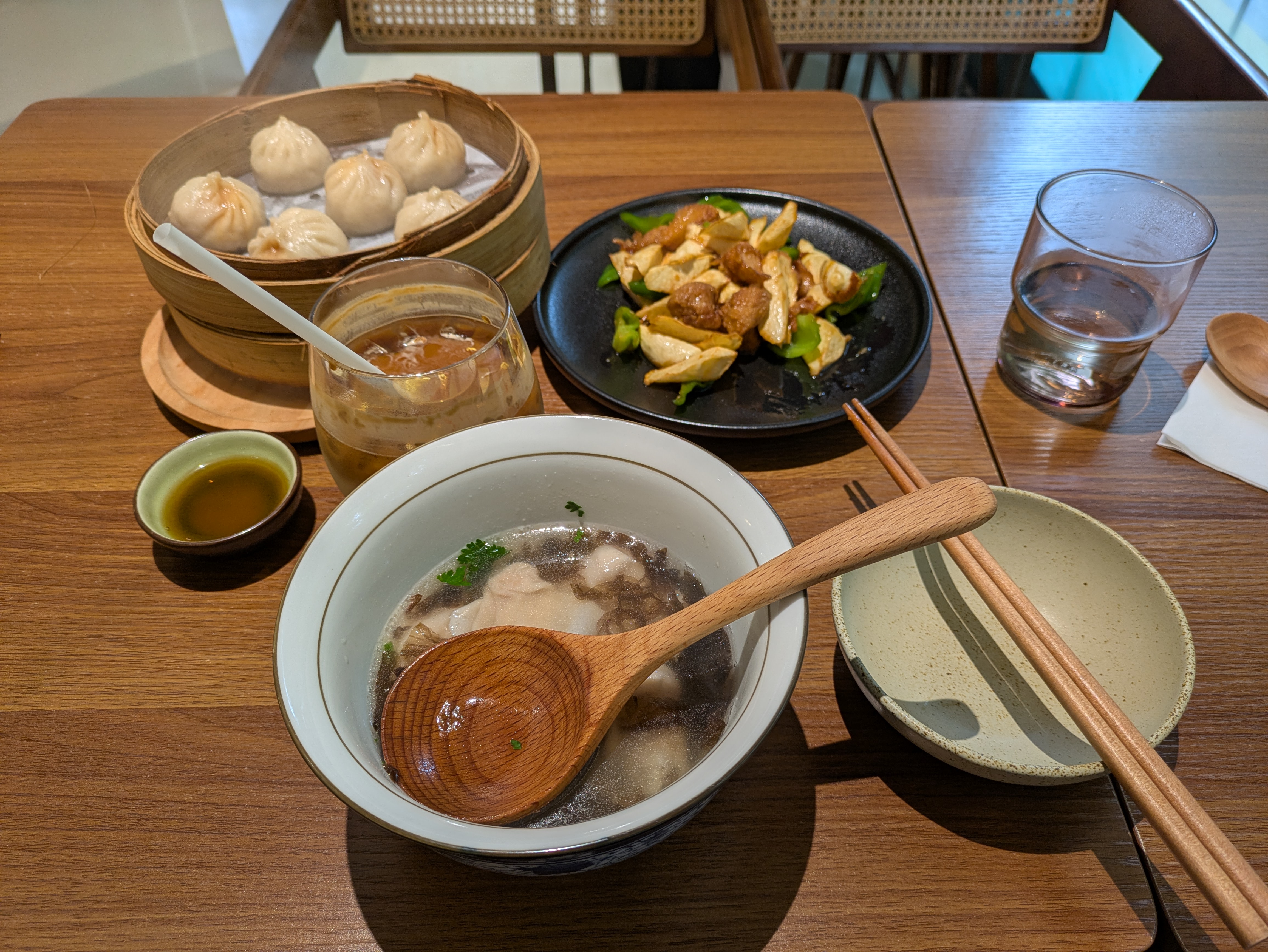
My favourite thing, though, about Lingyin Temple was the high concentration of delicious vegetarian restaurants nearby.
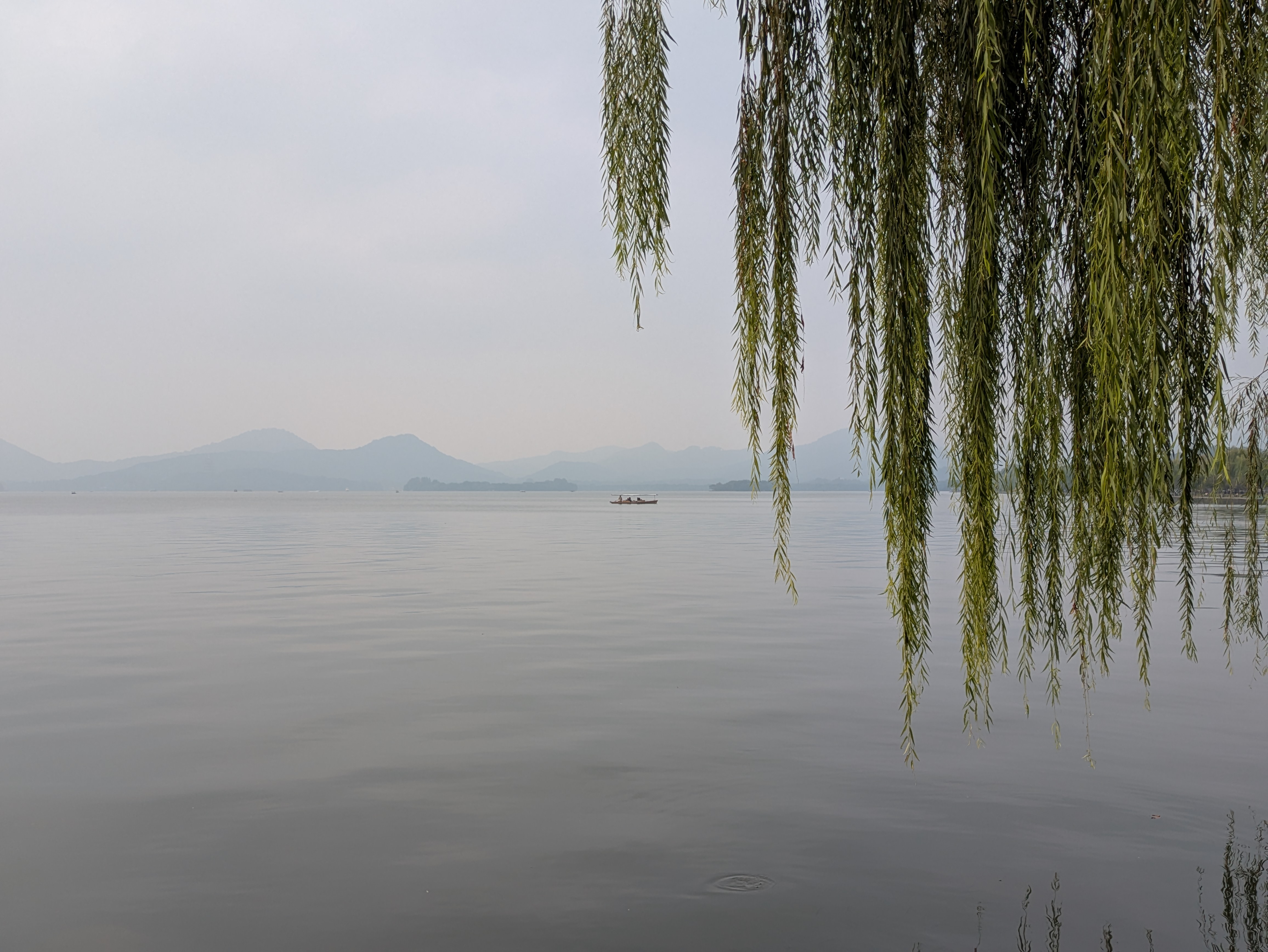
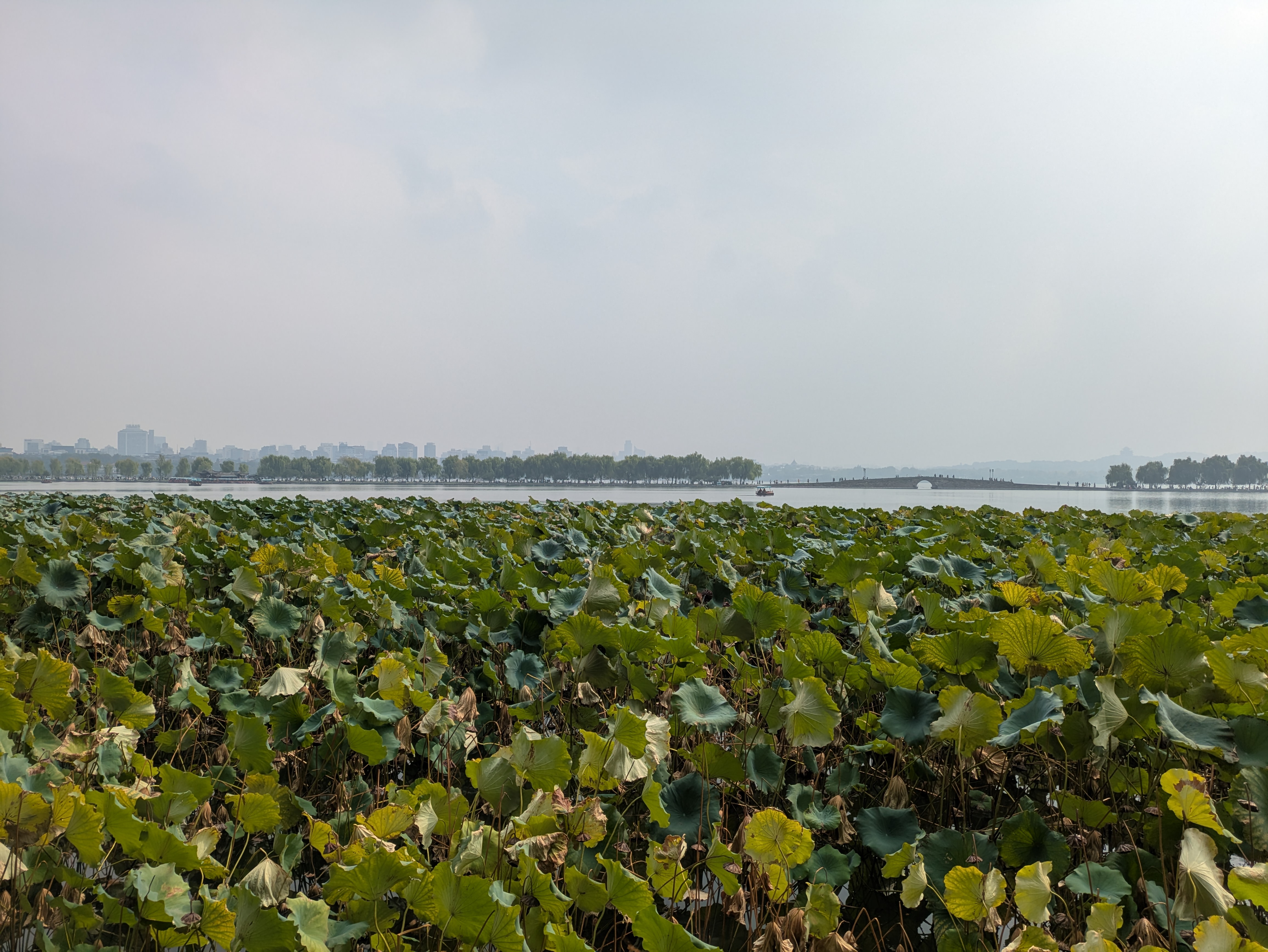
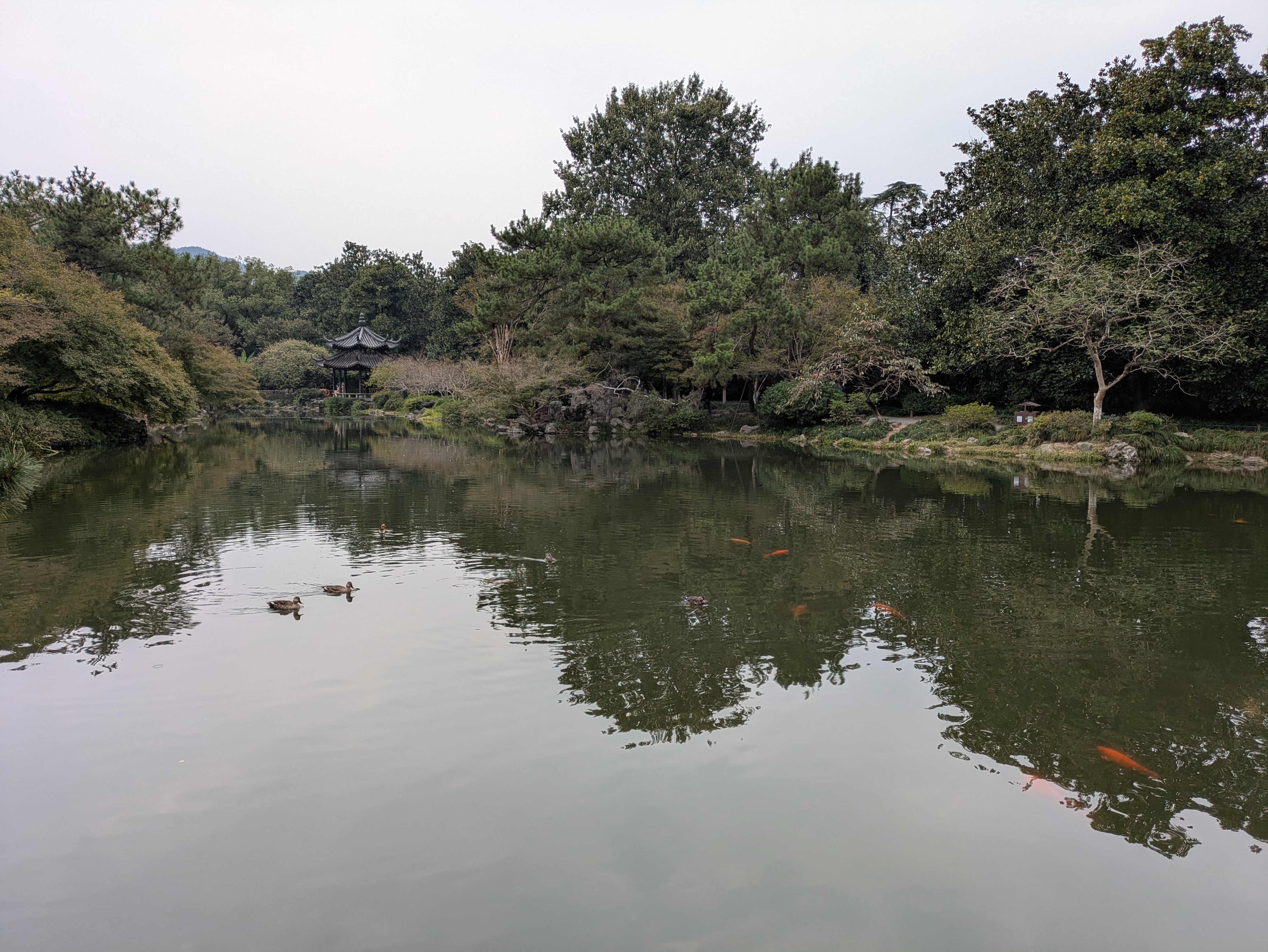
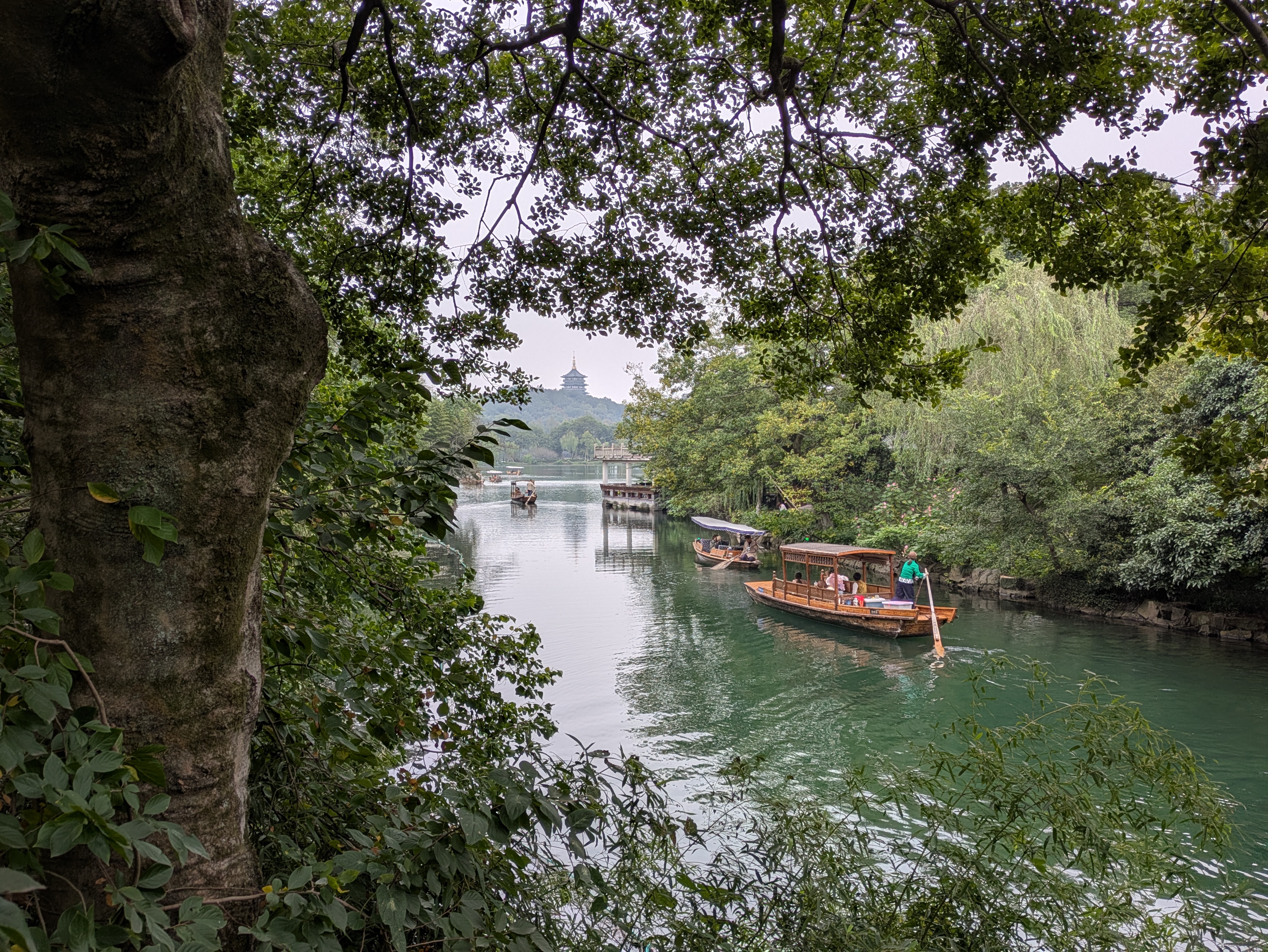
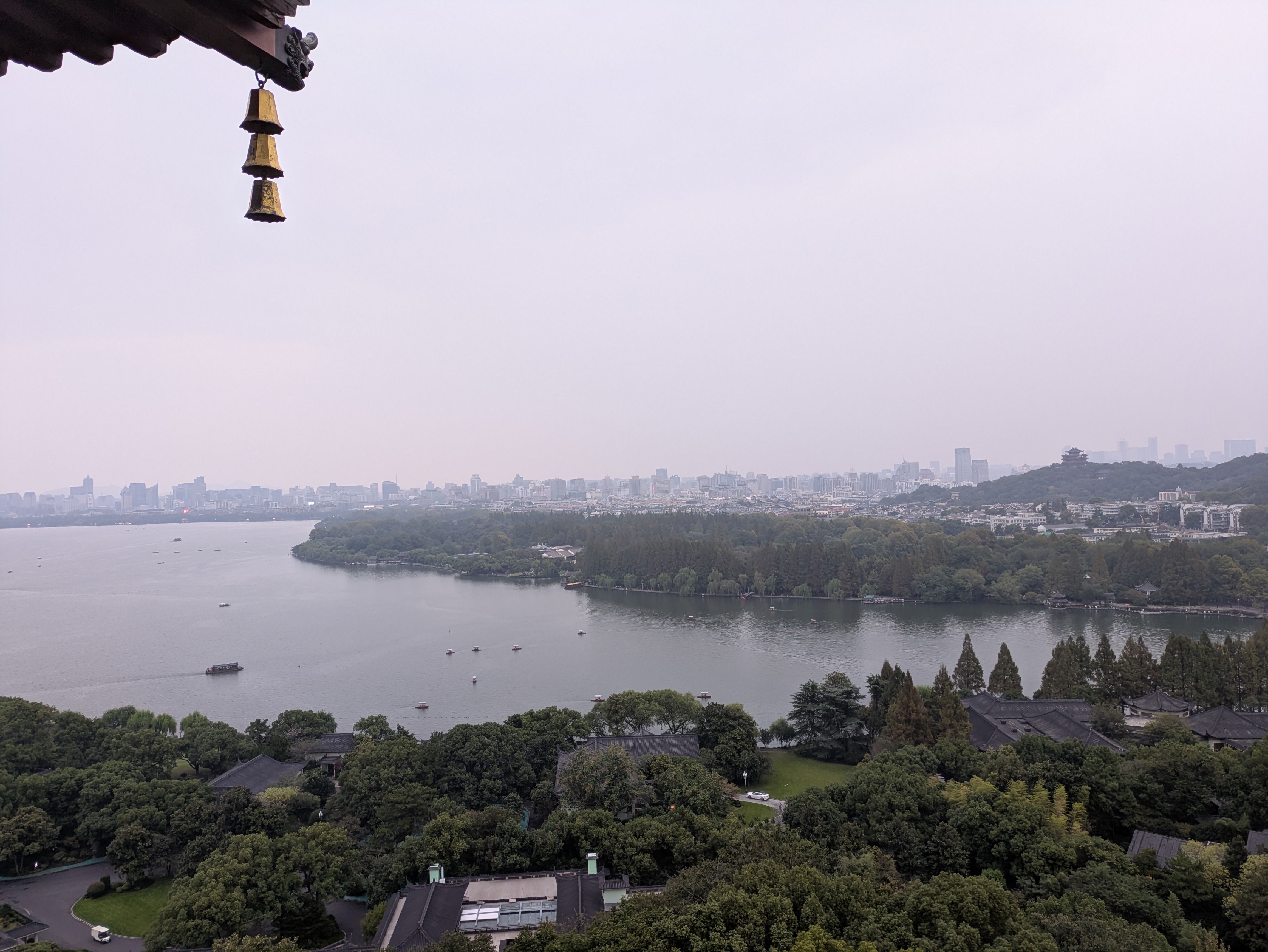
Since I was in Hangzhou, I of course had to do a full day at West Lake. I didn't do my research beforehand and thought that it was a natural wonder. What I found instead was a mostly man-made landscape, shaped over several centuries, where the artificial (the causeways, the gardens, the dredged-up islands, the temples, fish ponds, pagodas, and scholarly academies) and natural (the mountains, the ducks, birds, willows, forests, flowers) balance each other out. I enjoyed it thoroughly despite the overpriced food.
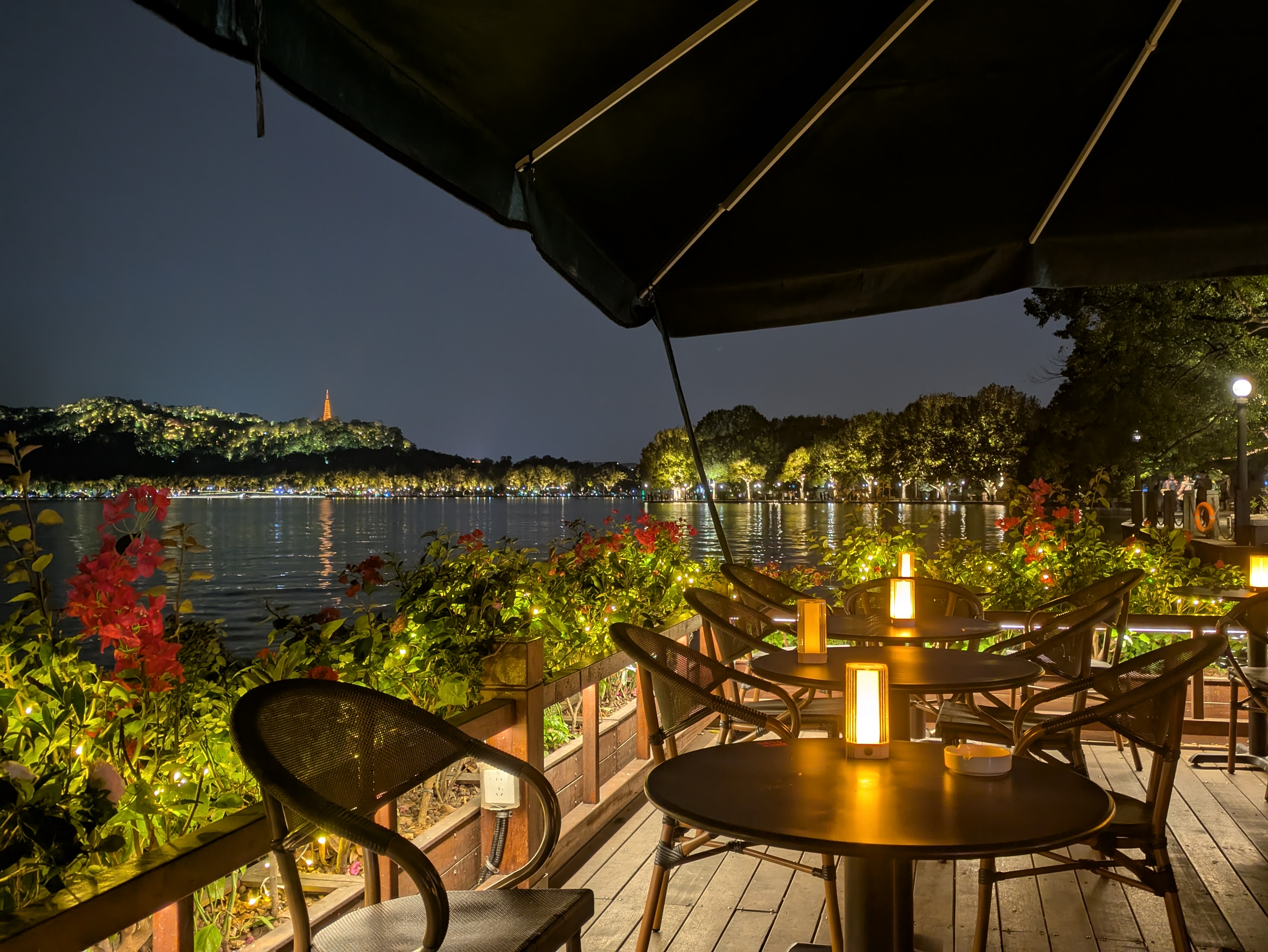
I found West Lake to be magical at nighttime, with the cruises, lit-up pagodas, night market, and people in a leisurely mood.
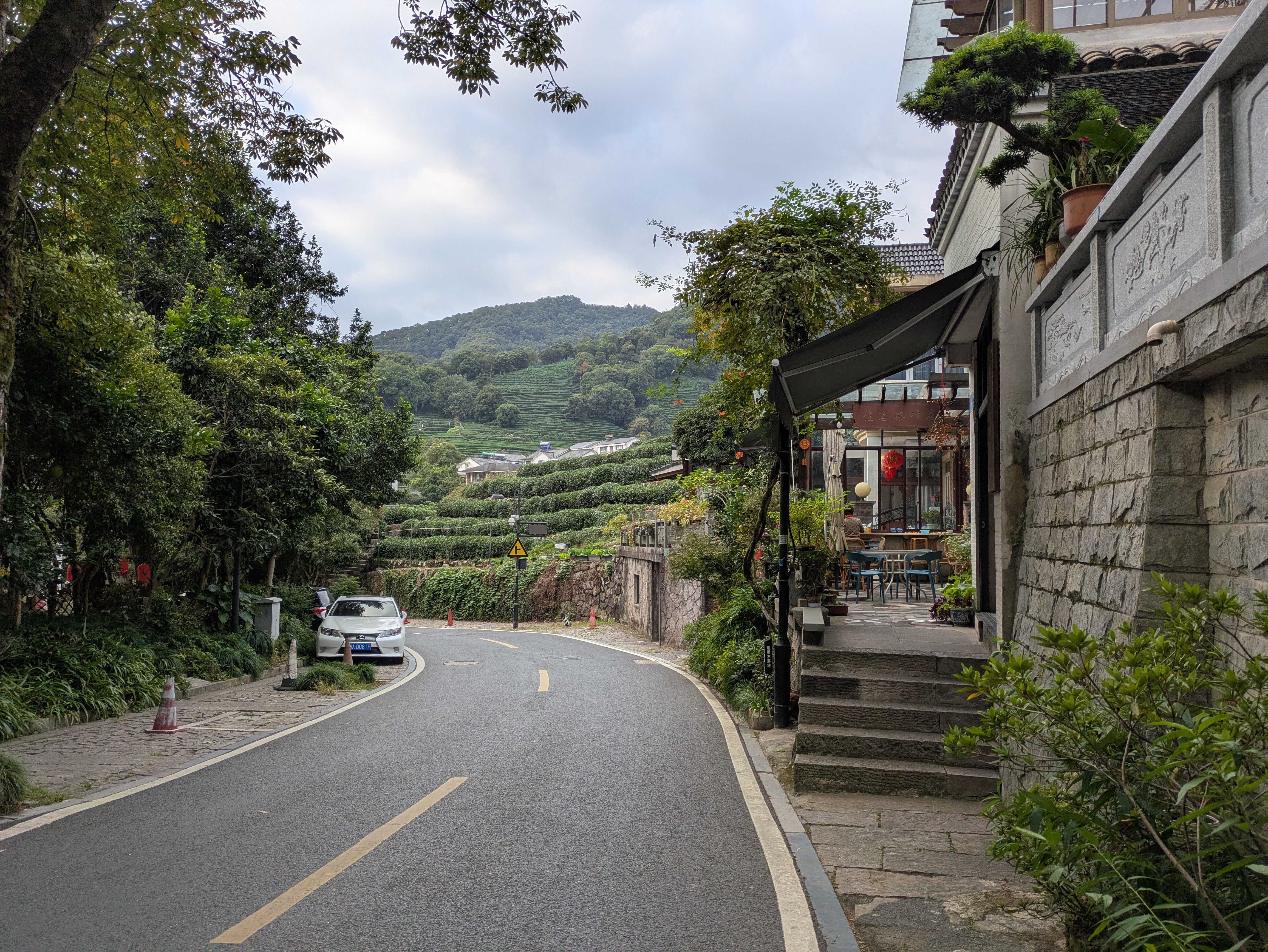
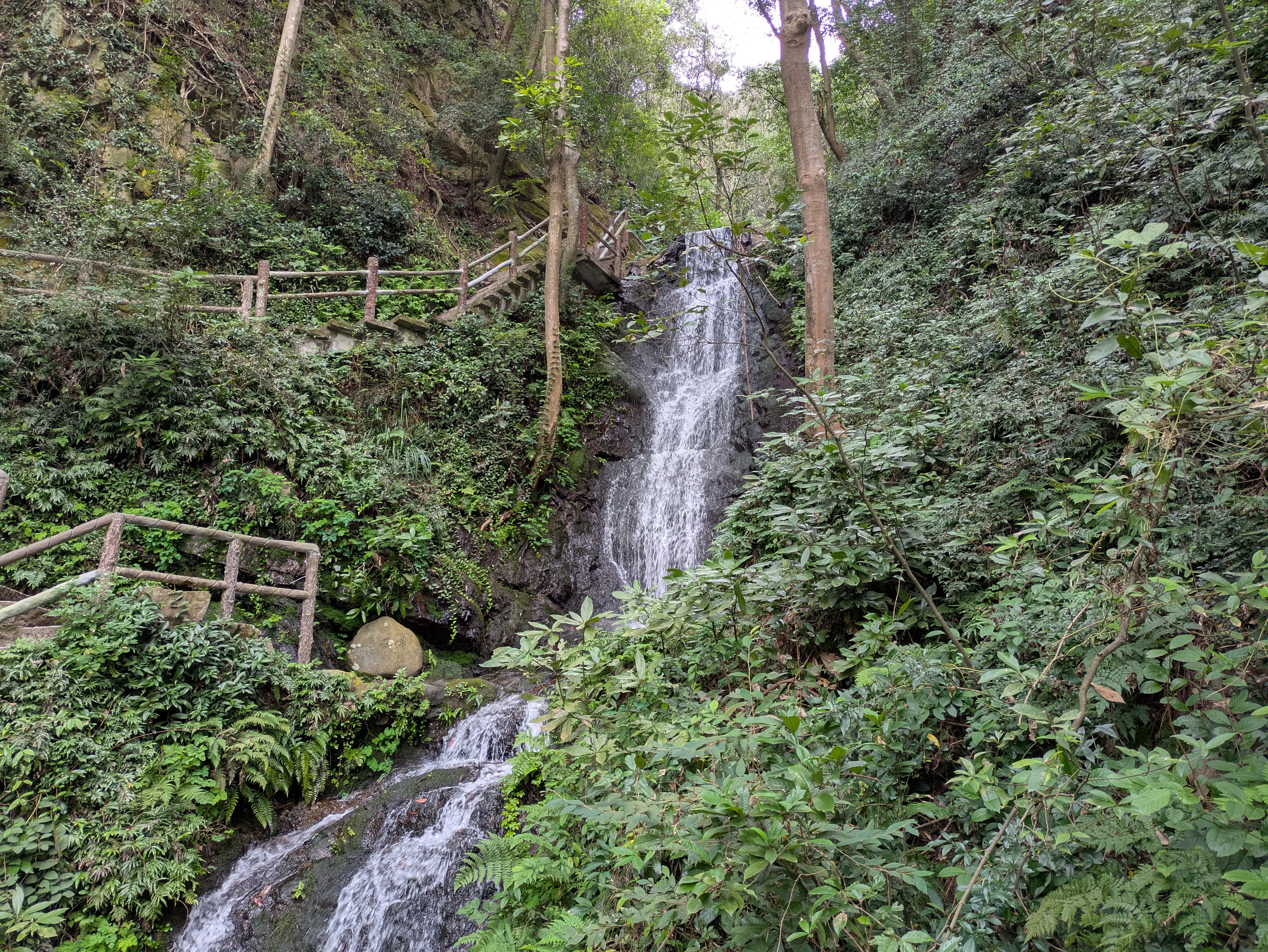
My final morning in Hangzhou, I visited Longjing Village and hiked along the peaceful 9 Streams trail.
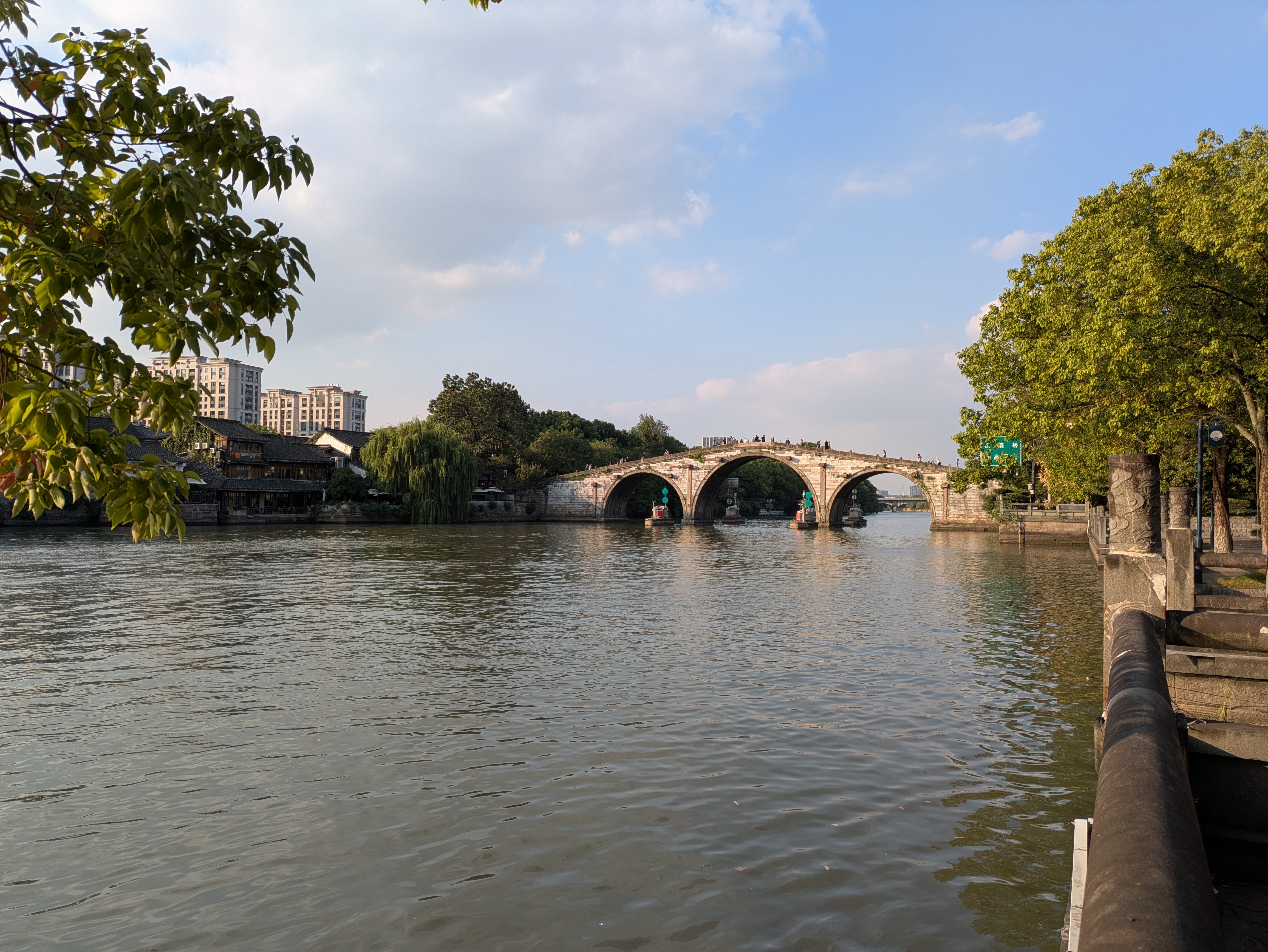
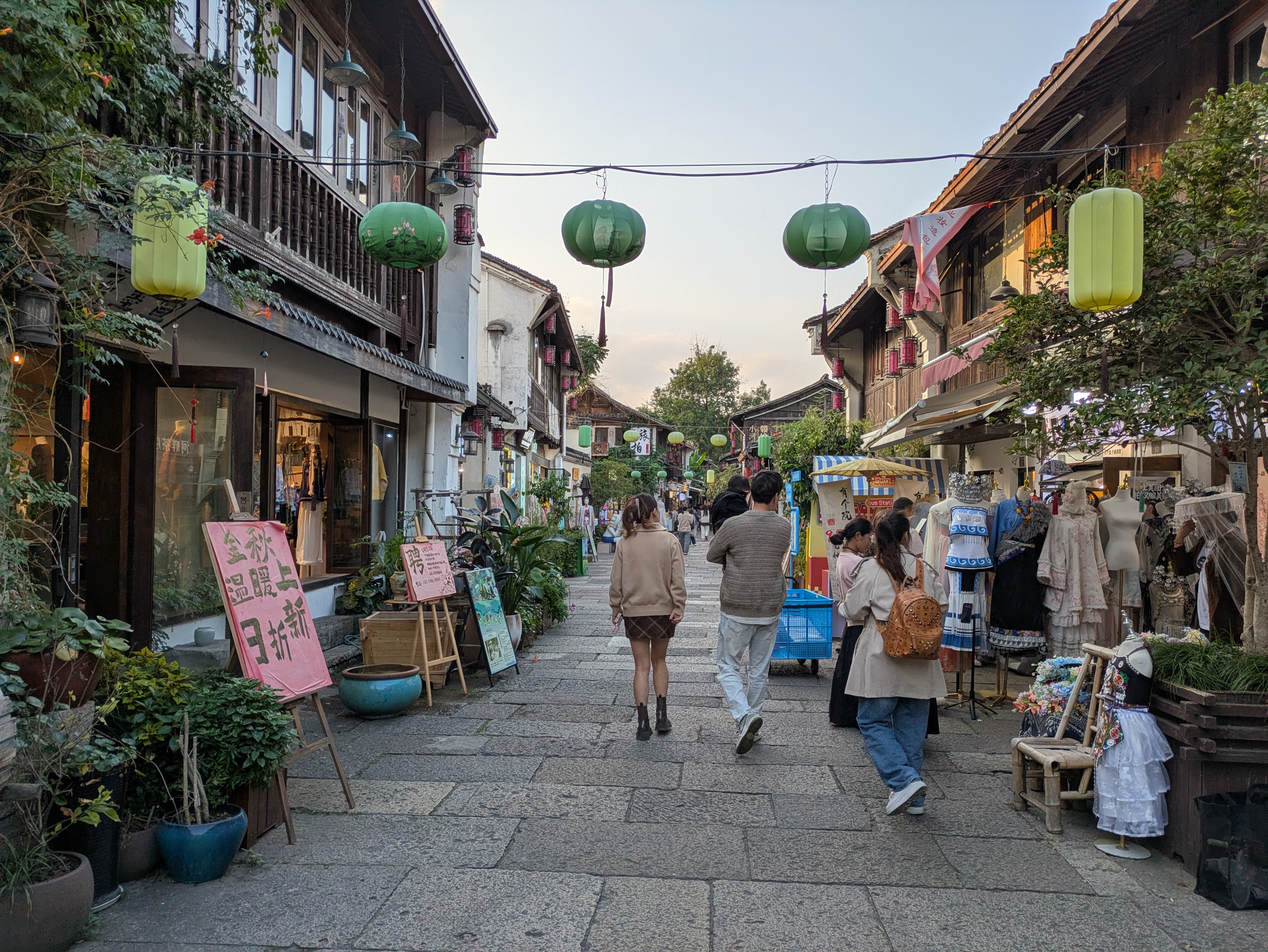
One place I definitely shortchanged was the Grand Canal District of Hangzhou. It was refreshing to go somewhere and not see too many tourists, and there were lots of snack places, coffeehouses along the river, bookstores and art shops. It was definitely the type of relaxed place, with local flavor, that I had been hoping to stumble across during my entire trip. I stayed for as long as I thought I could (only about two hours), and rushed back to my hotel to prepare for the train. The Didi ride to the station, through rush hour traffic, was incredibly intense (especially with the countdown clocks on all of the traffic lights), but I ended up making it with ten minutes to spare. I hope that I can come back to Hangzhou someday and spend a full day or two at the Grand Canal.
Anhui
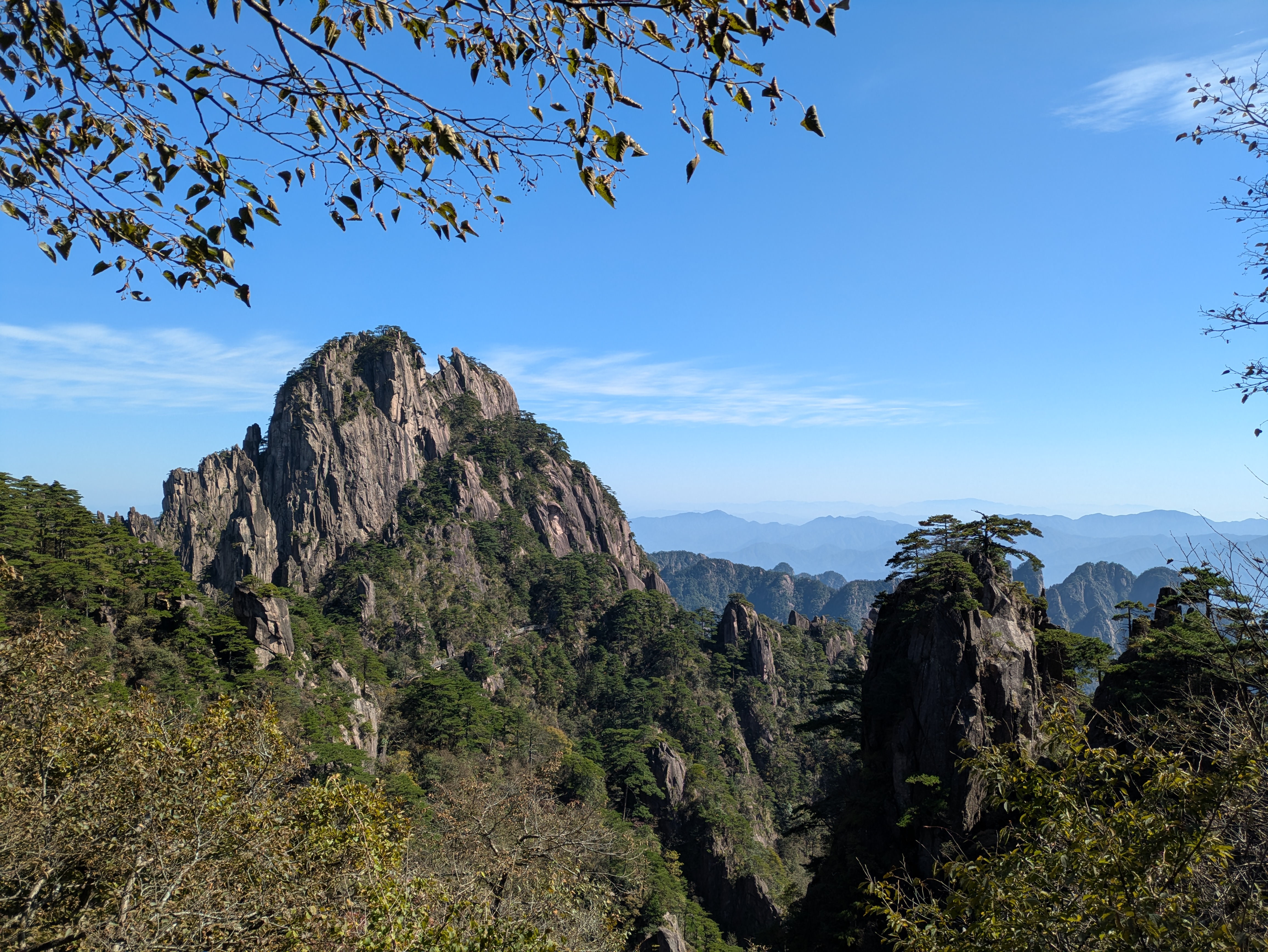
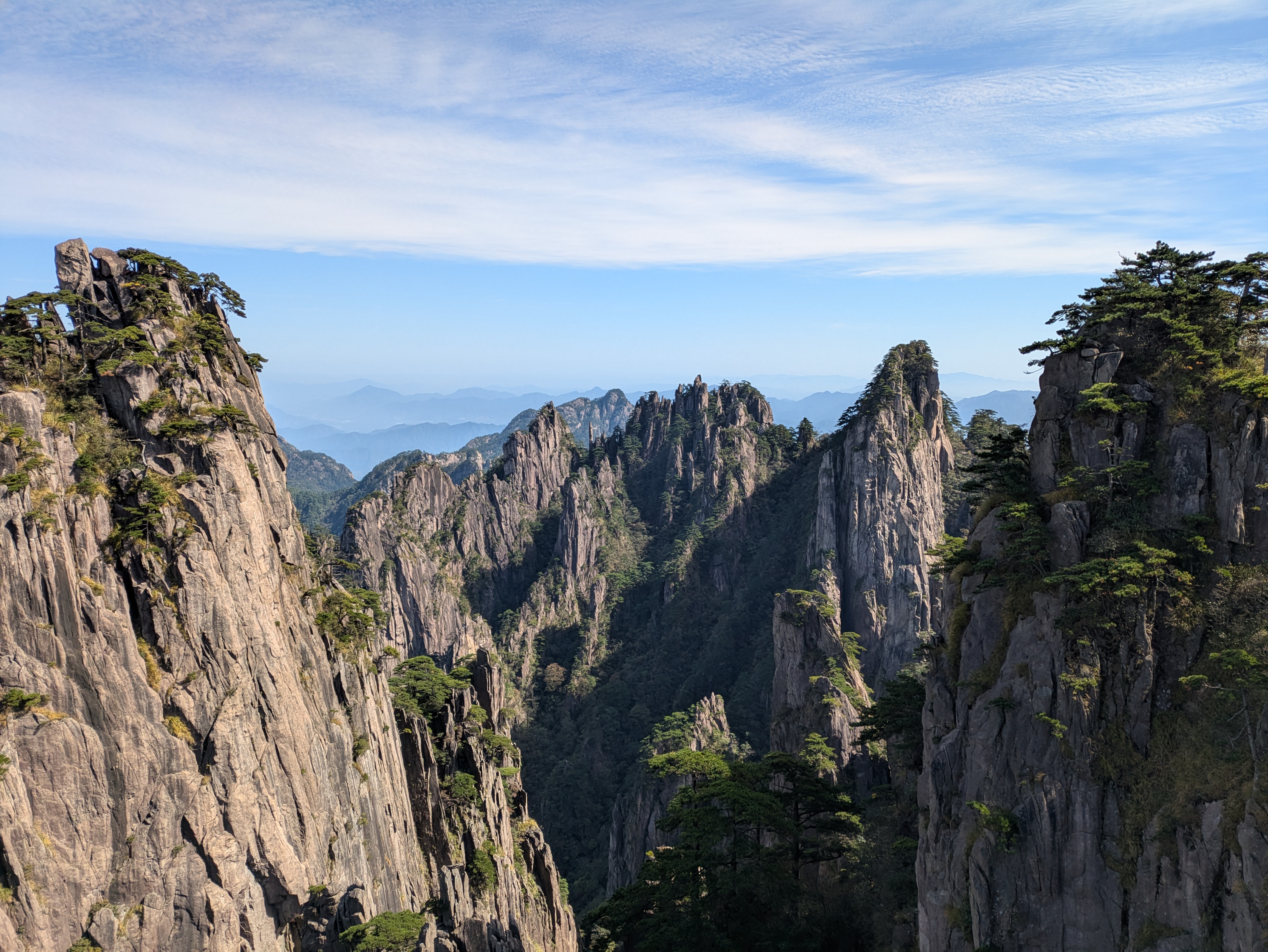
Back of Huangshan Mountain.
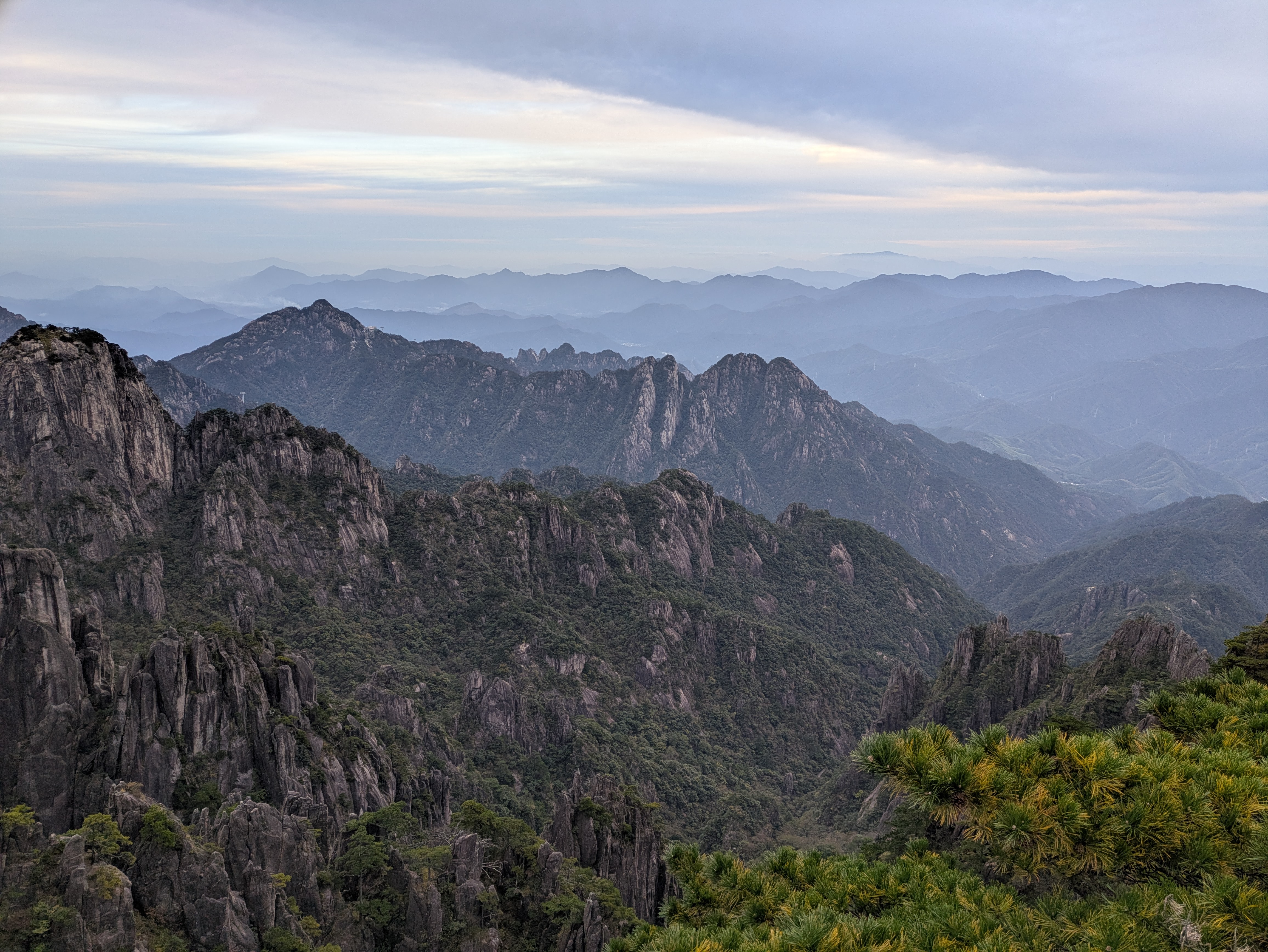
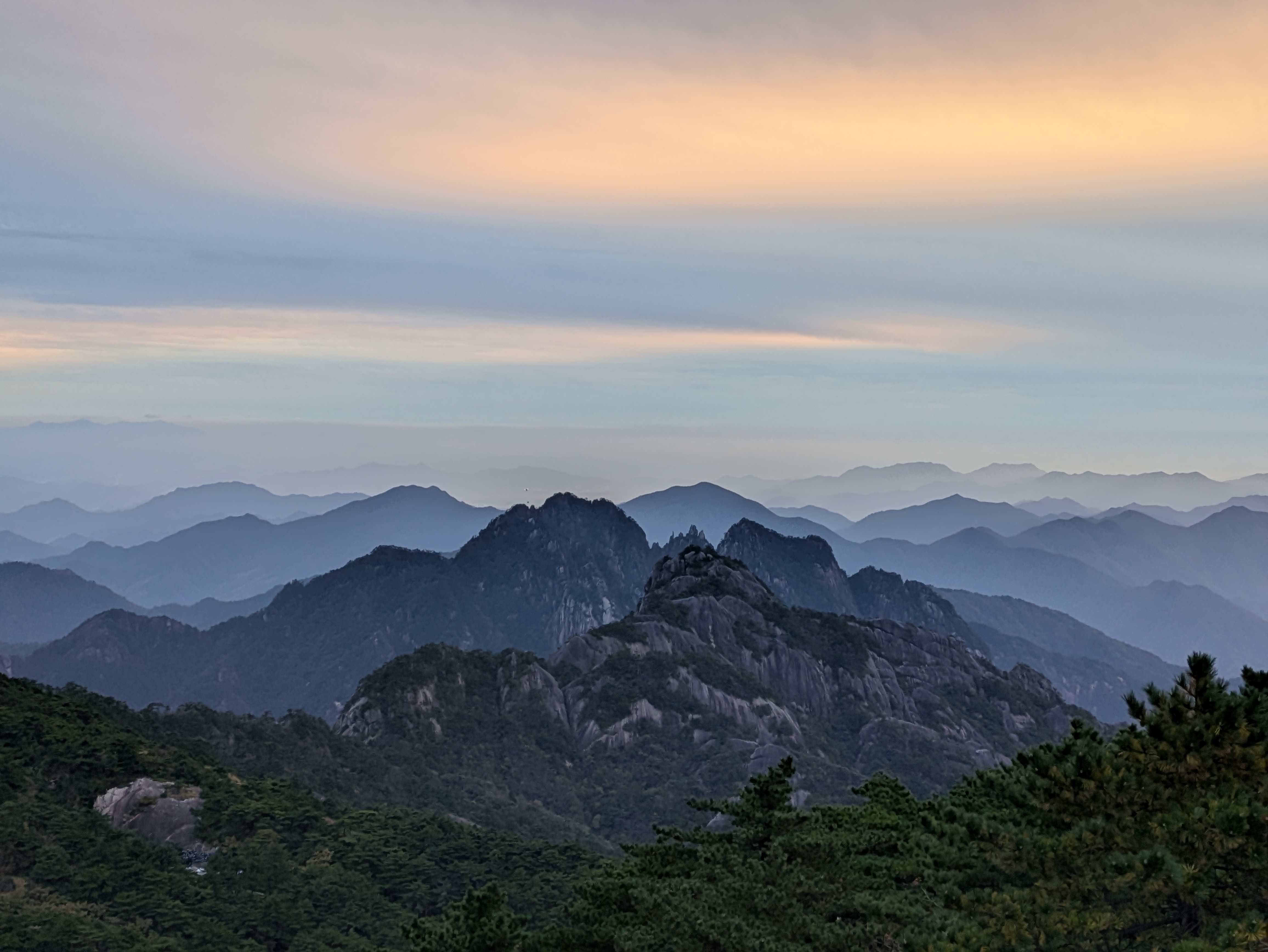
Sunset at Bright Top.
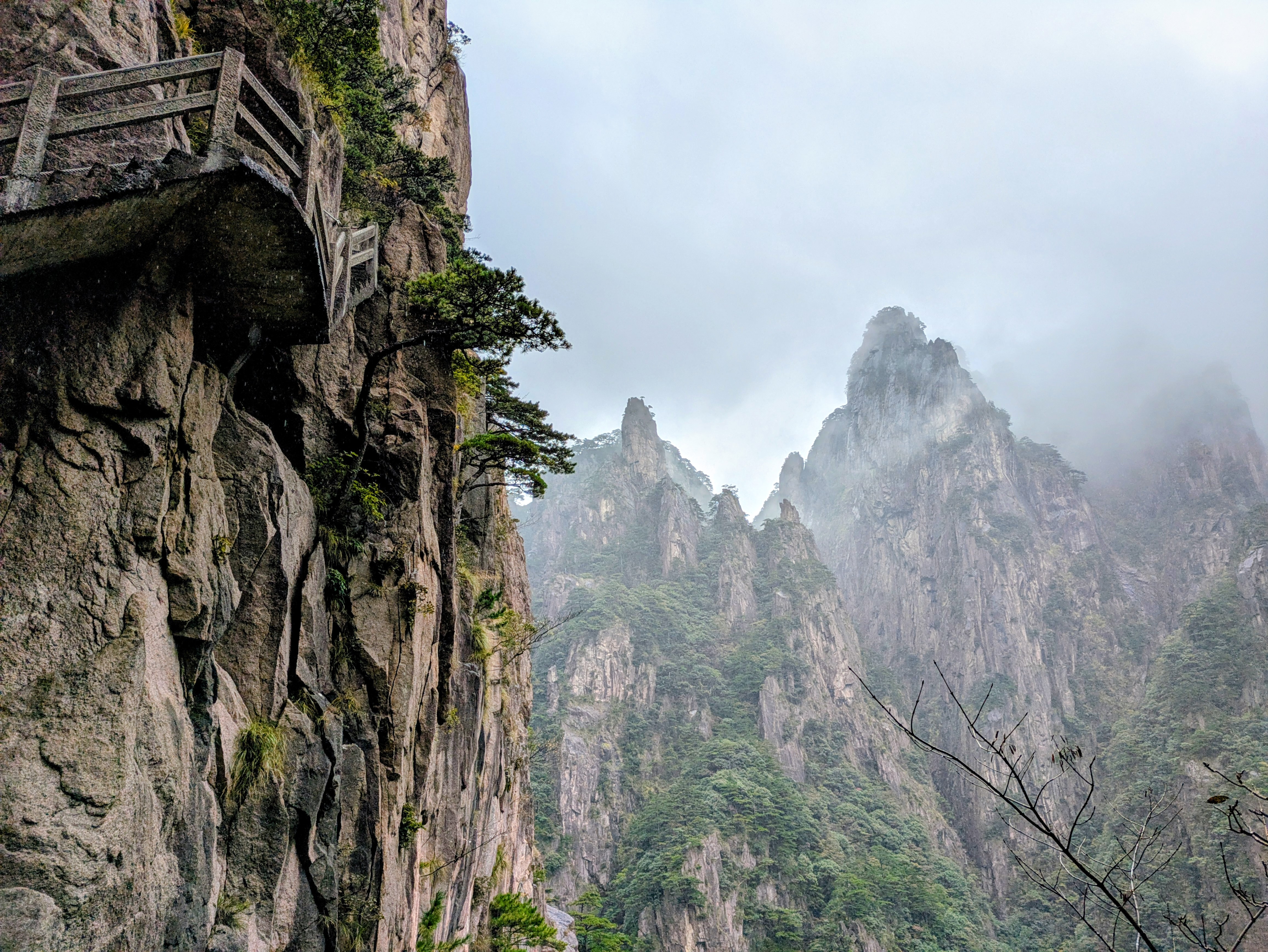
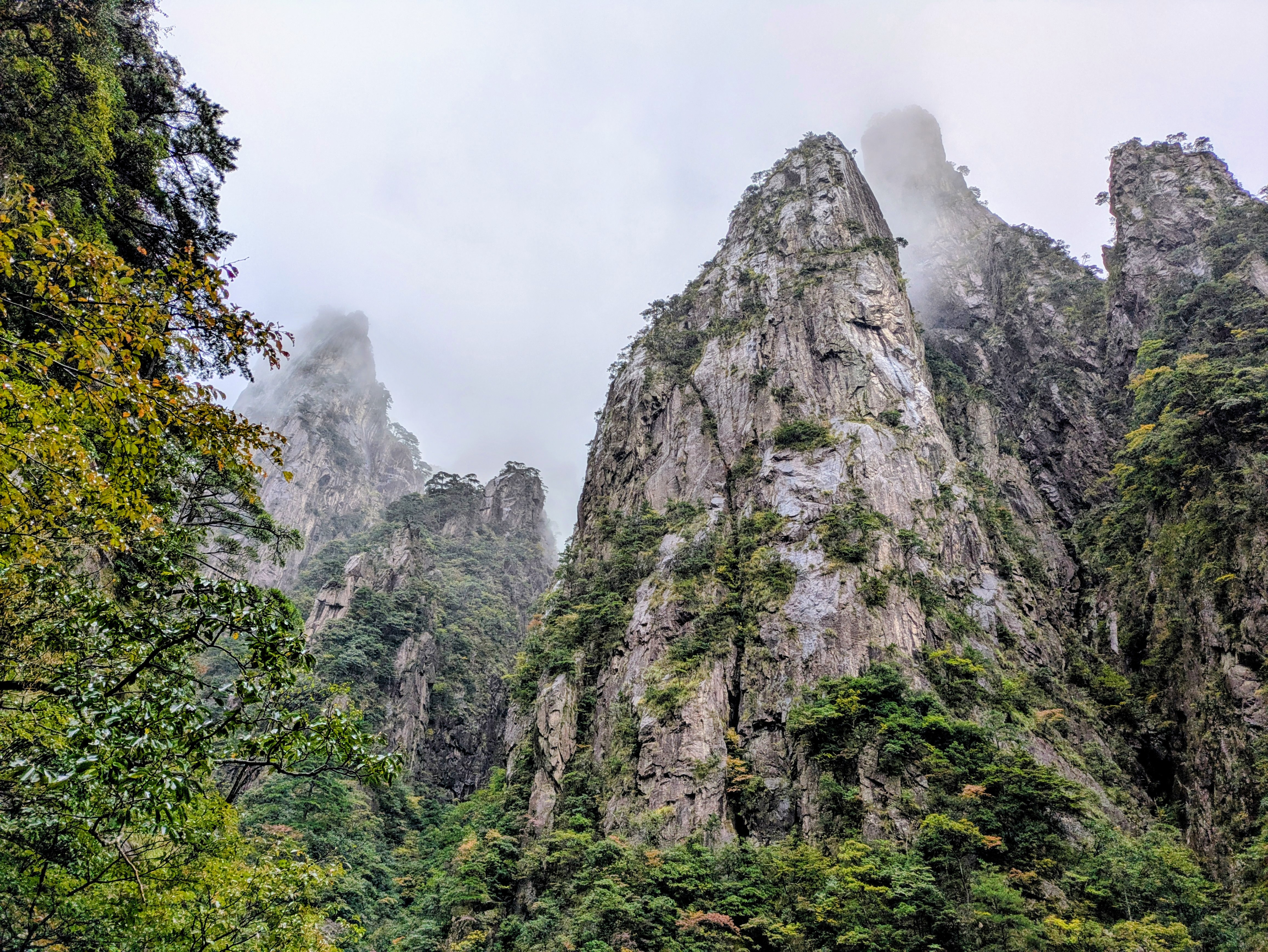
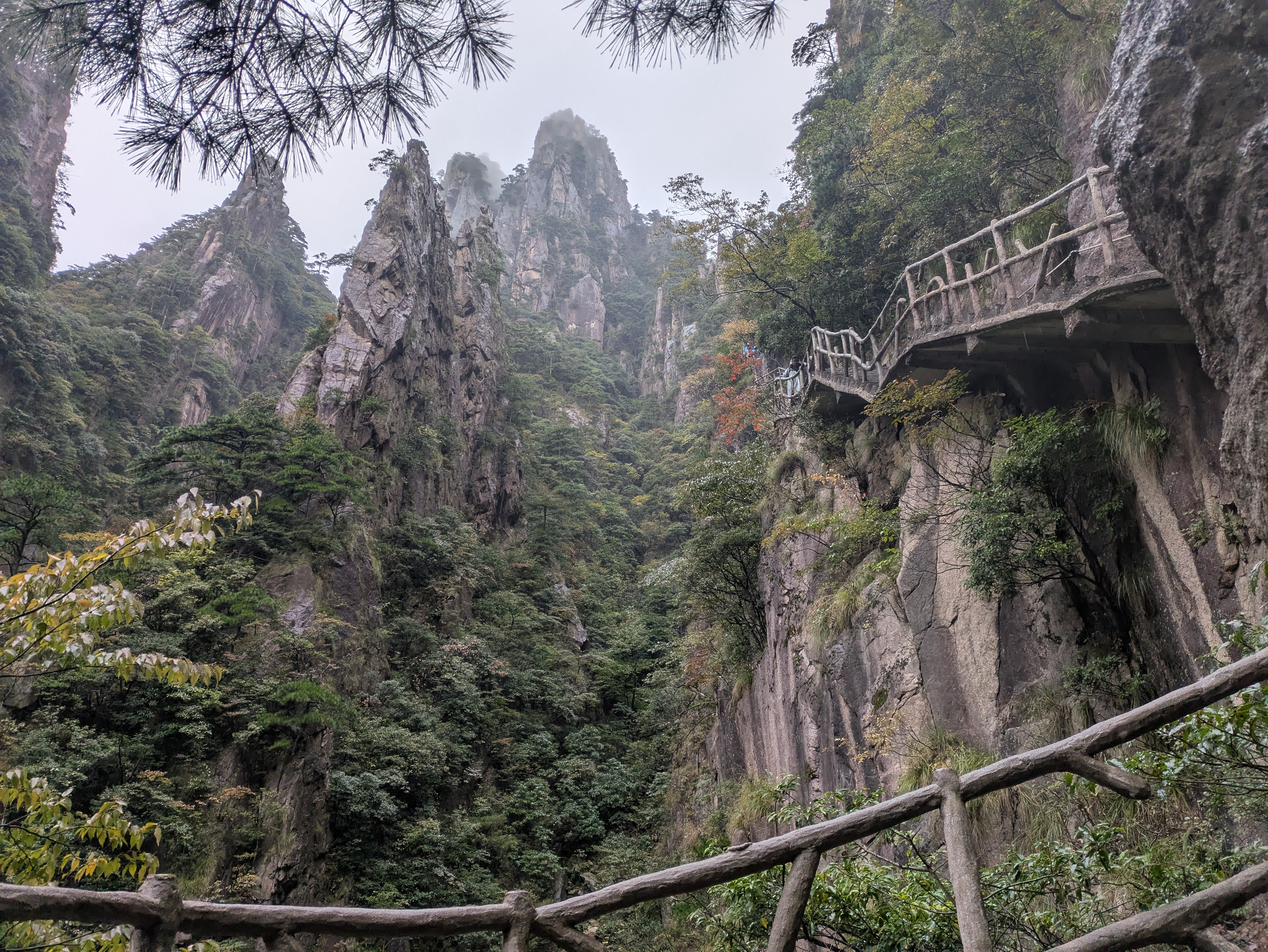
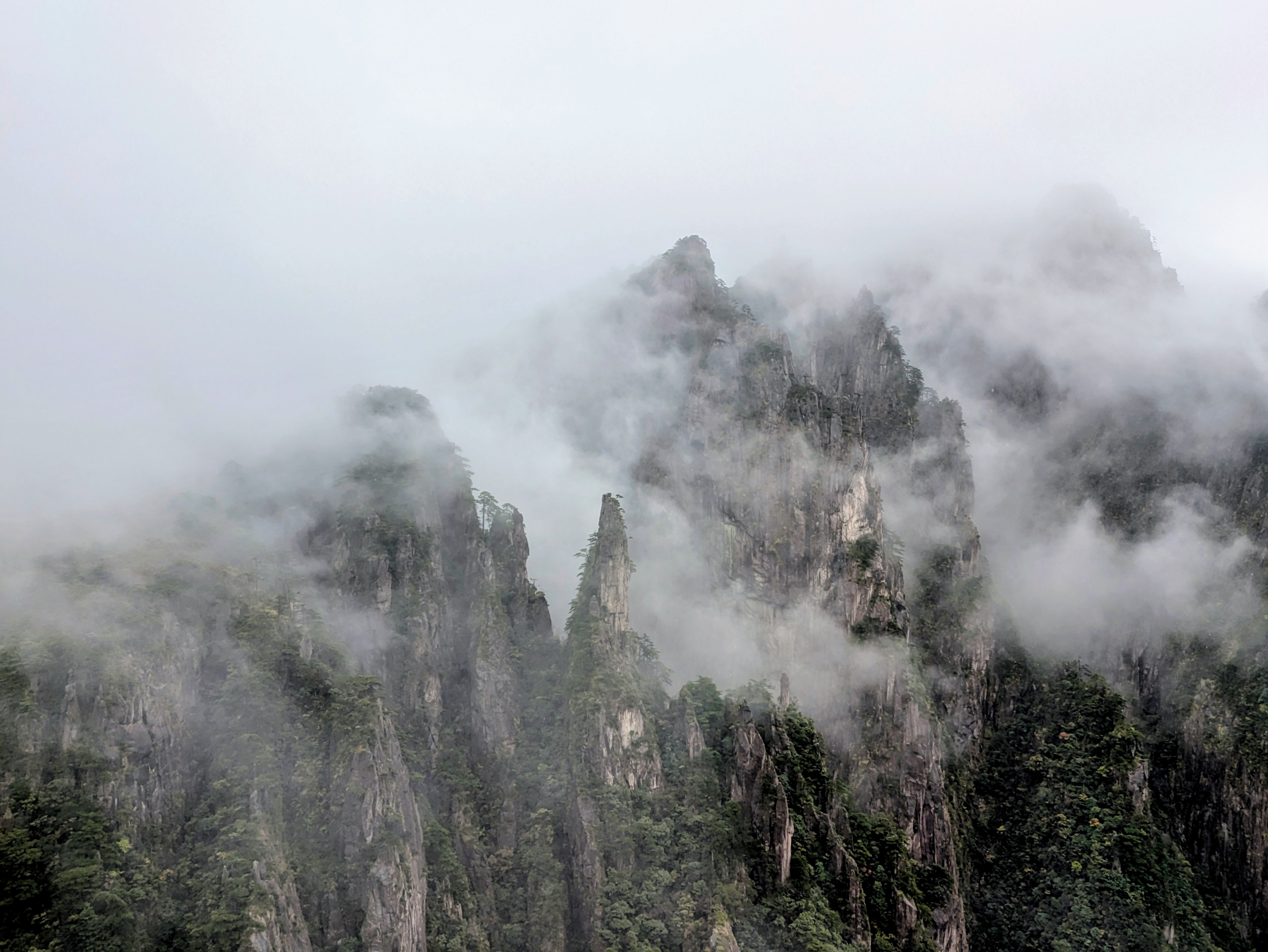
West Sea Grand Canyon.
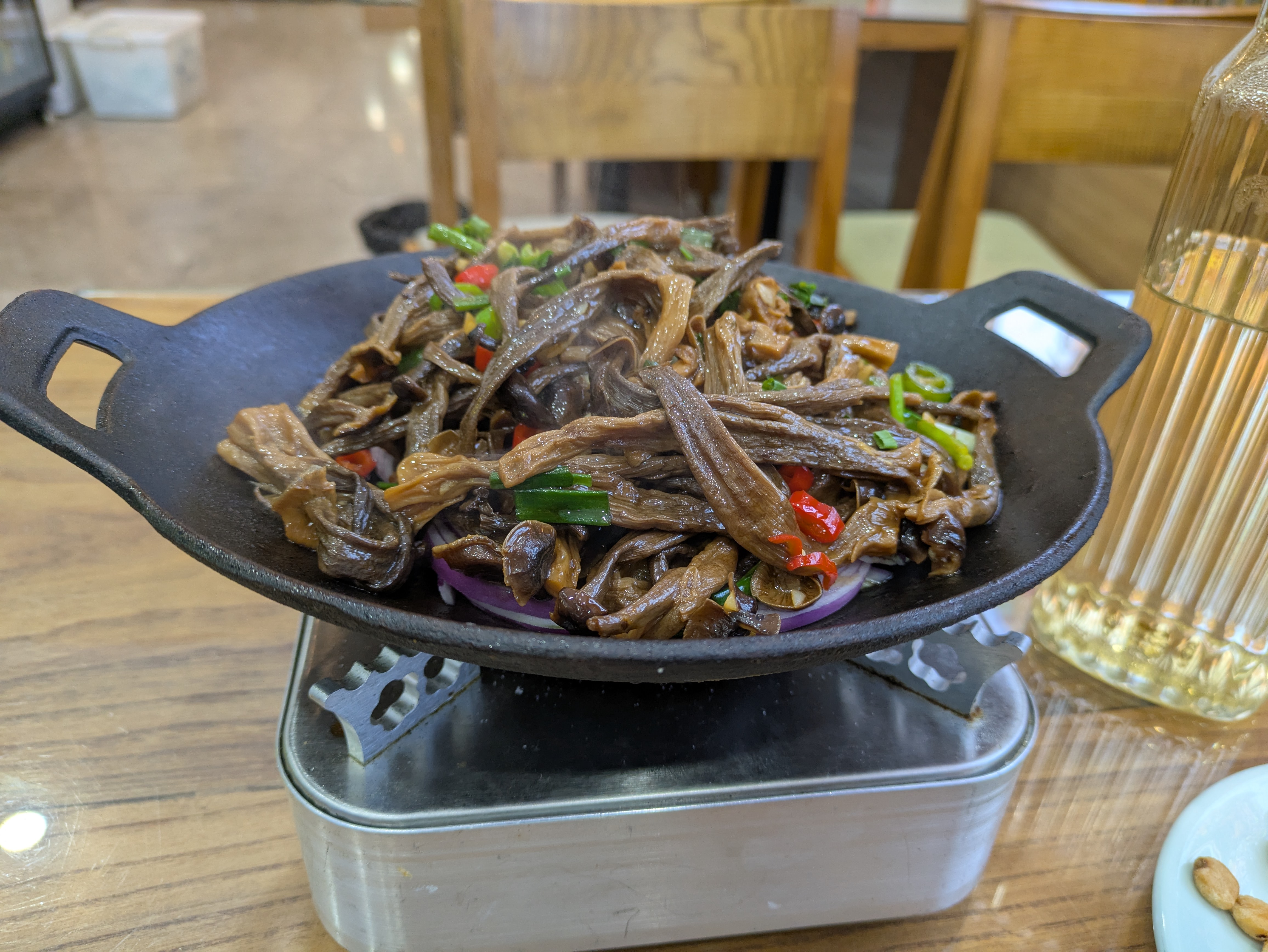
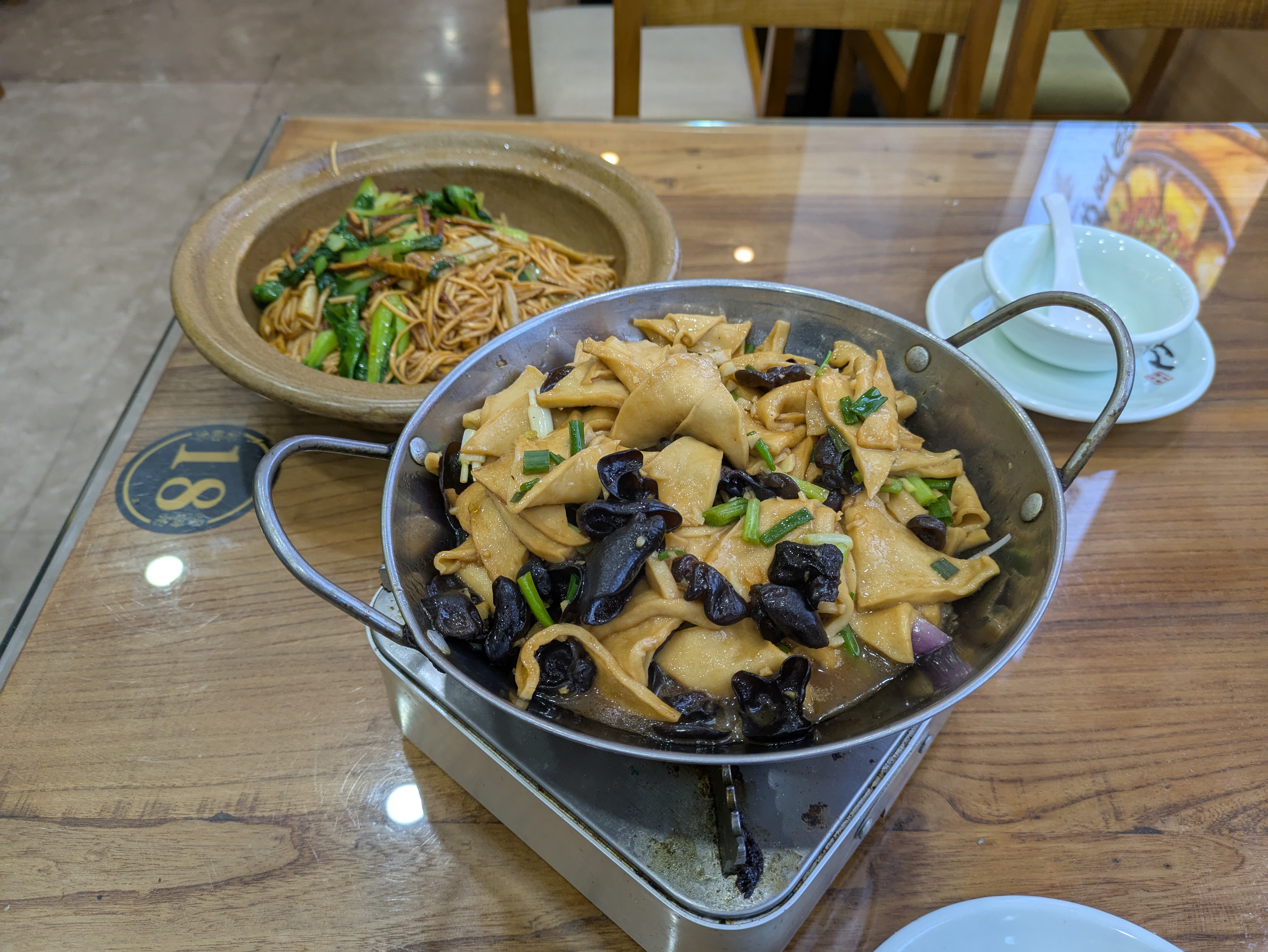
I looked forward each night to the delicious cooking at the homestay restaurant.
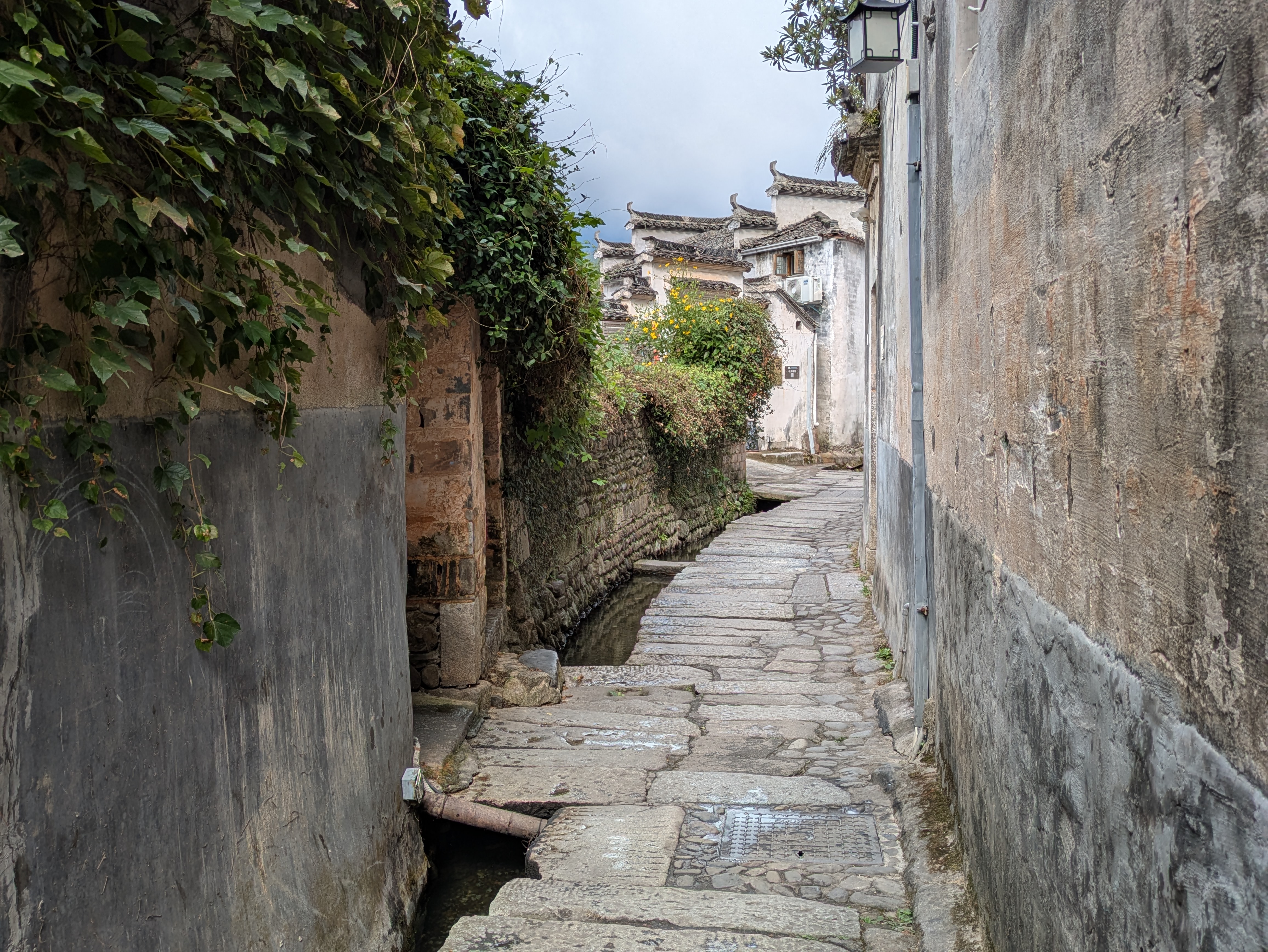
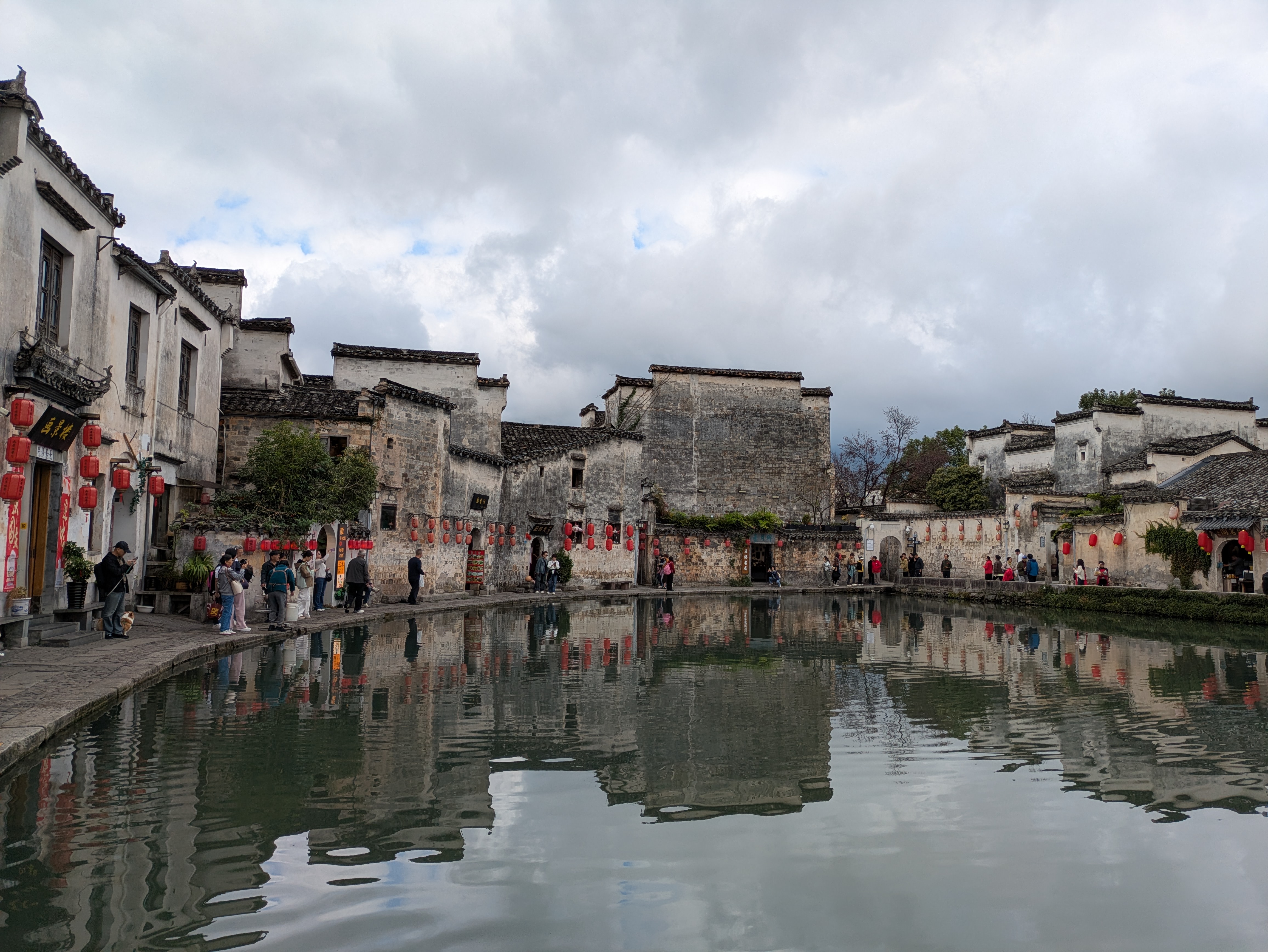
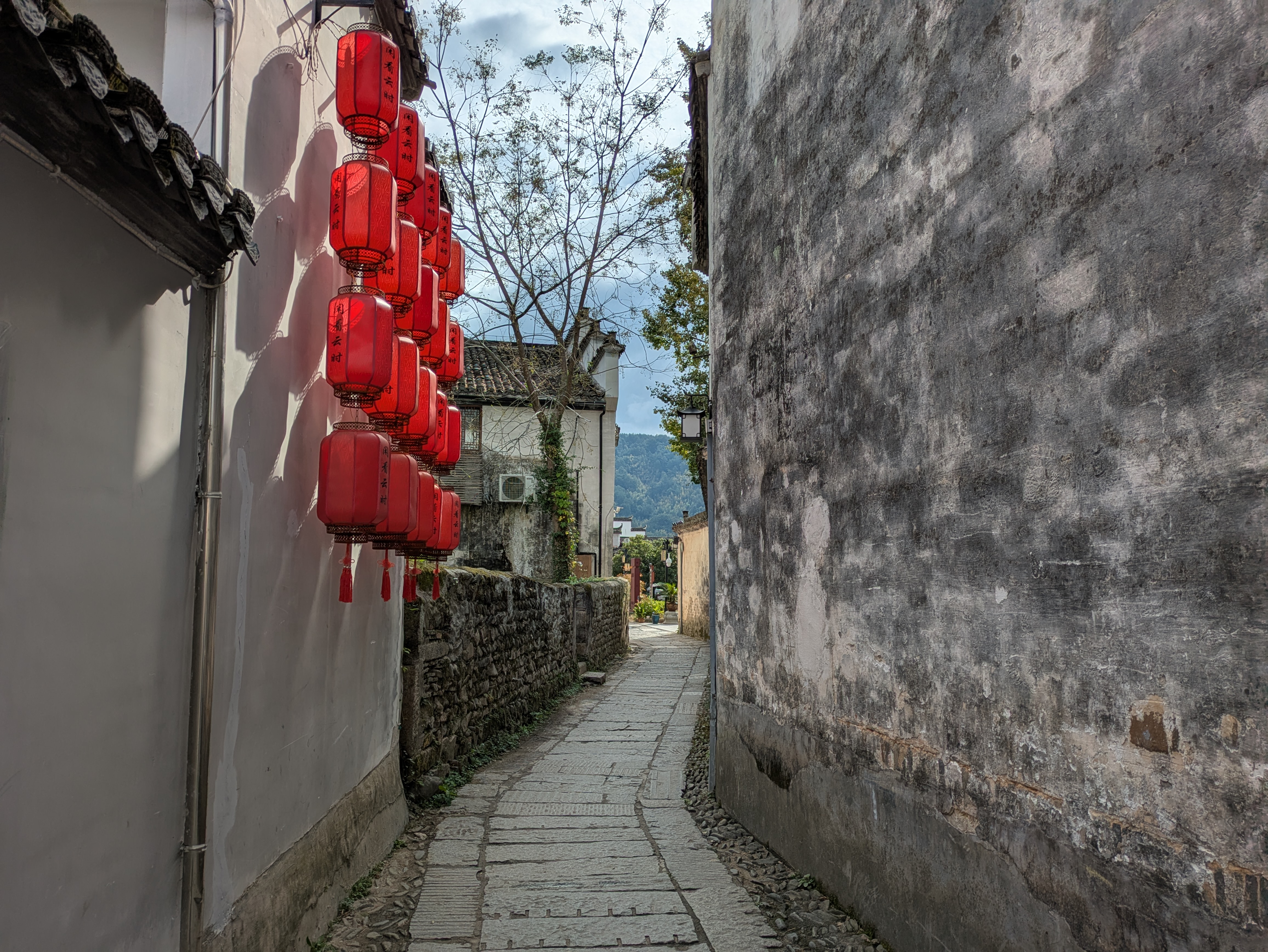
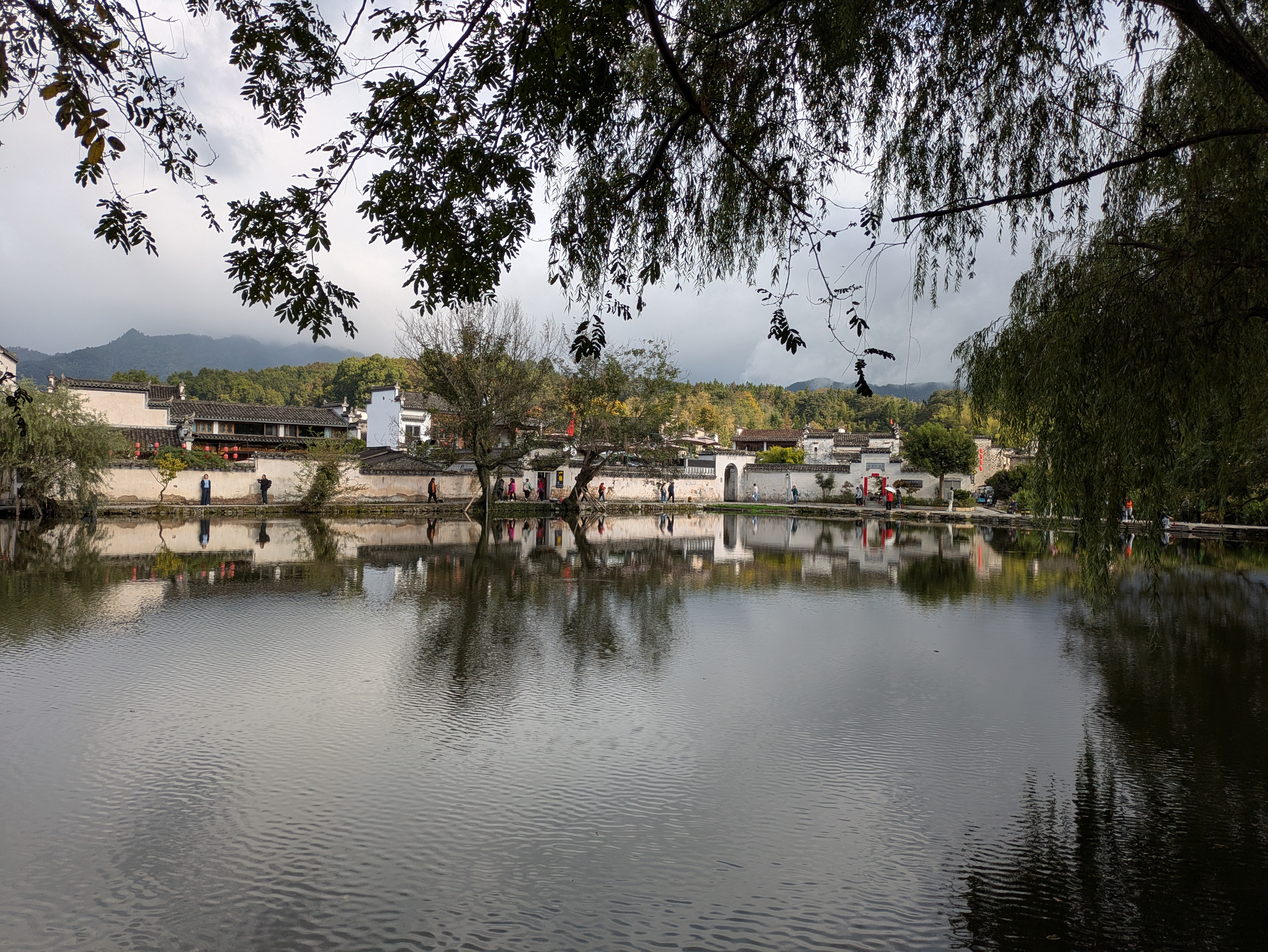
Hongcun Village.
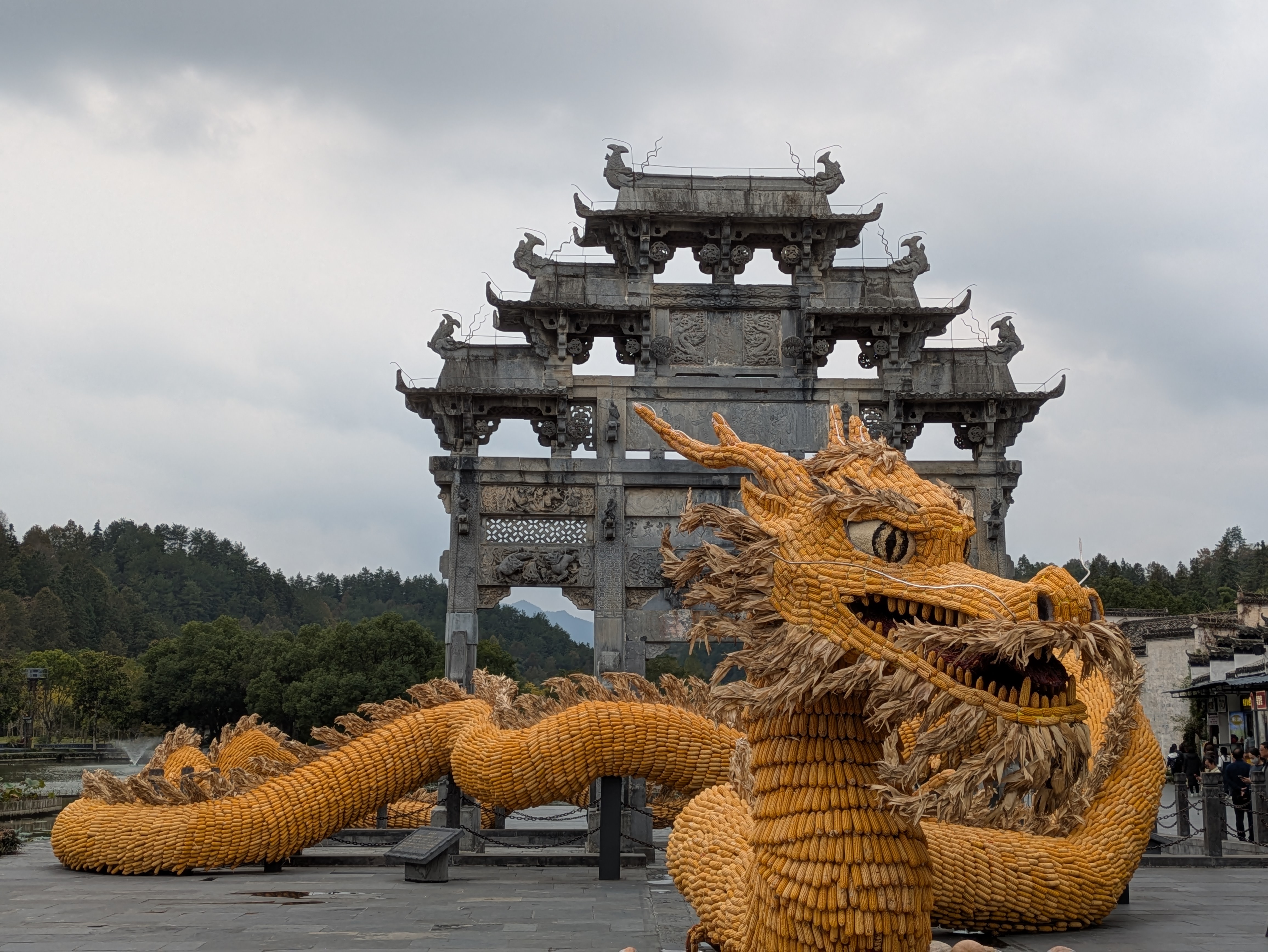
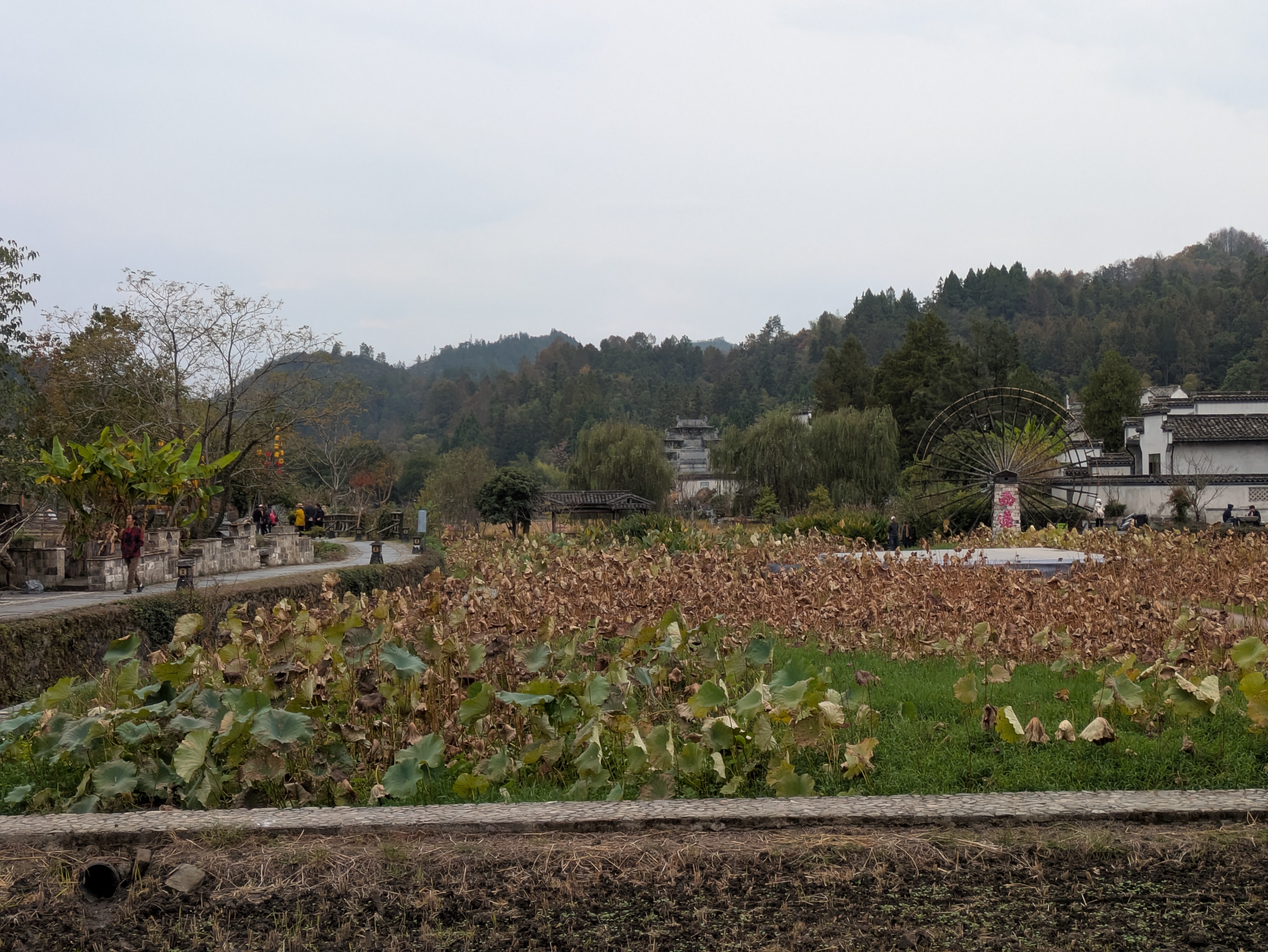
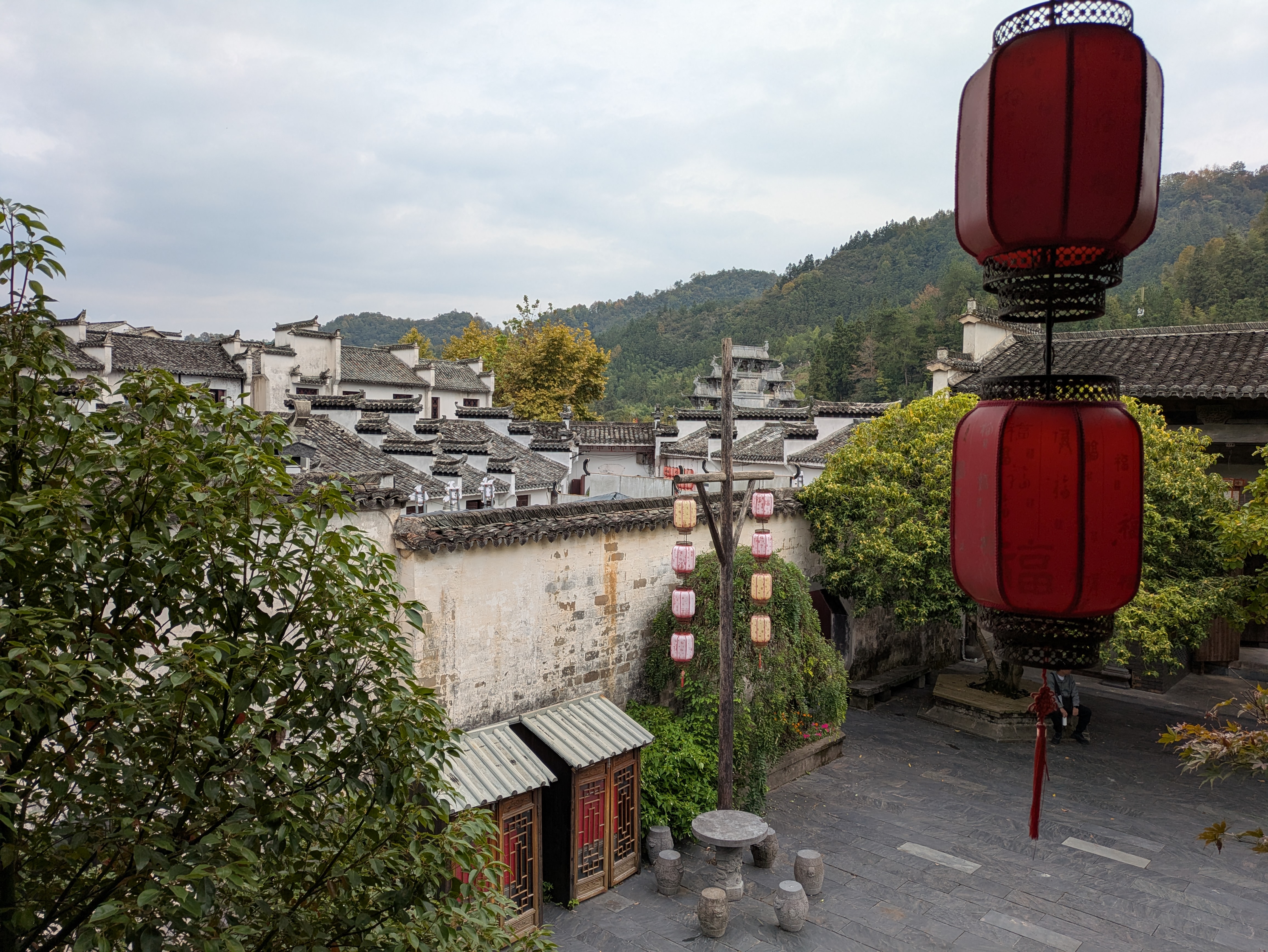
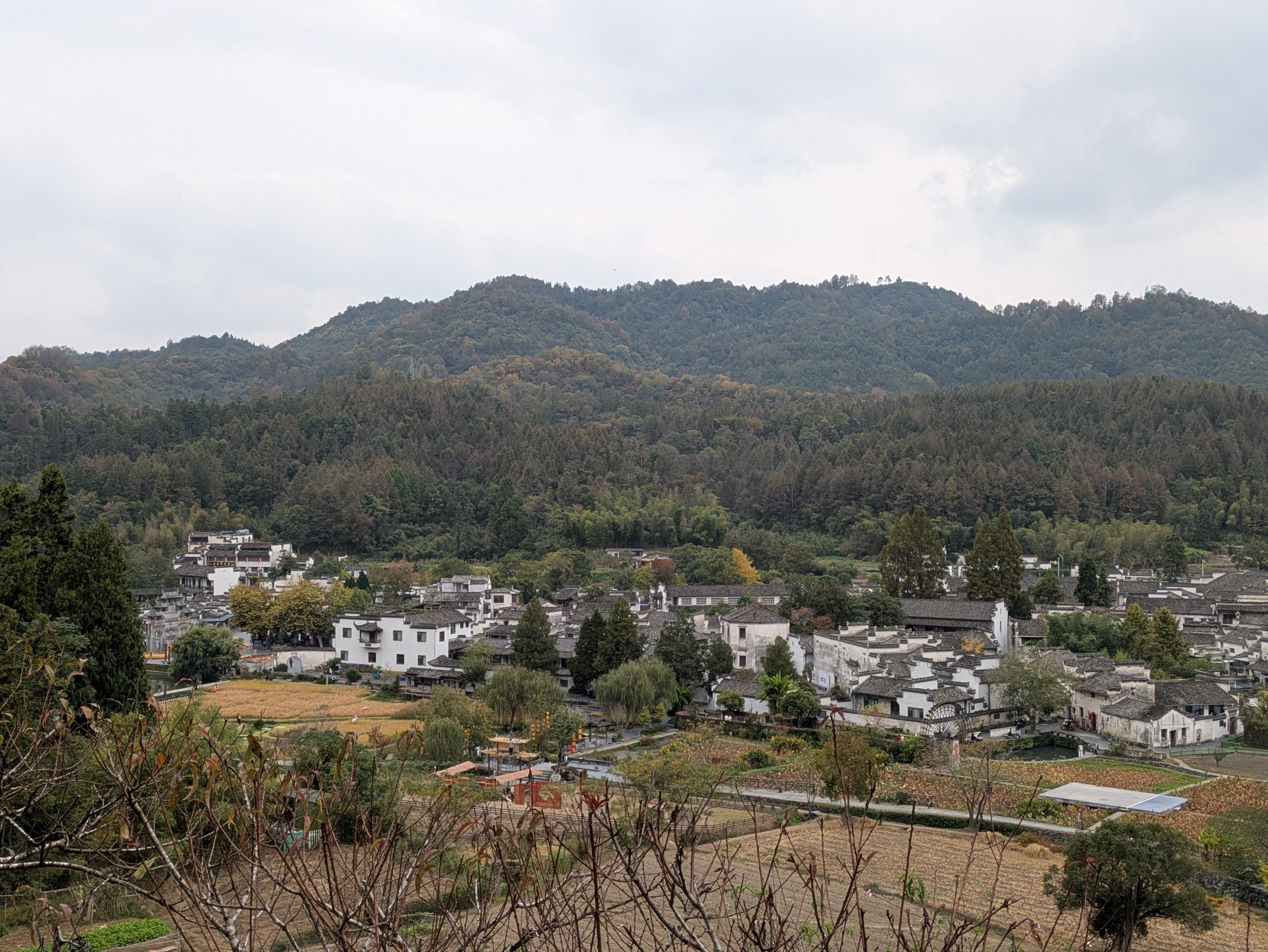
Xidi Village.
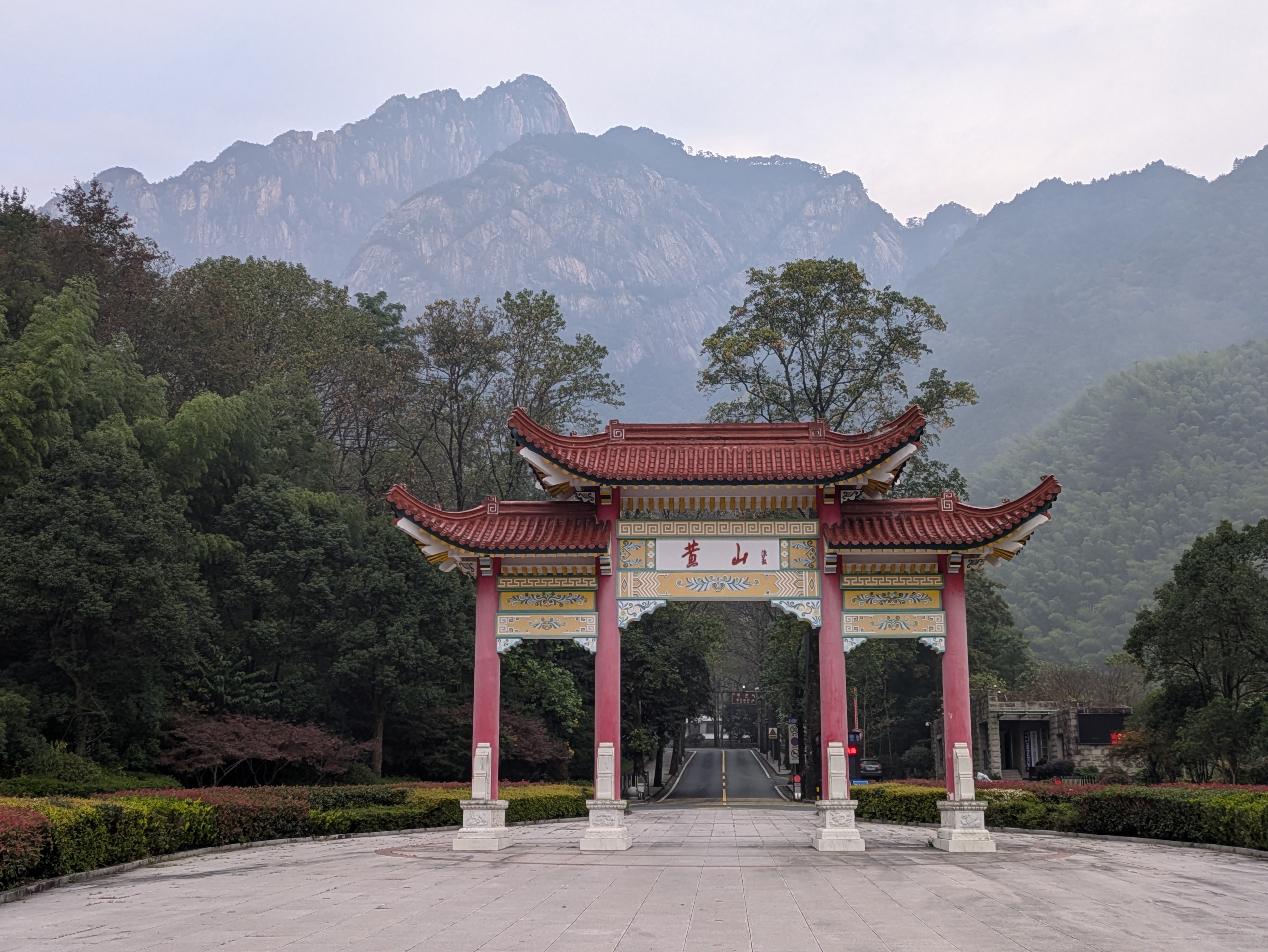
Farewell photo to Huangshan Mountain.